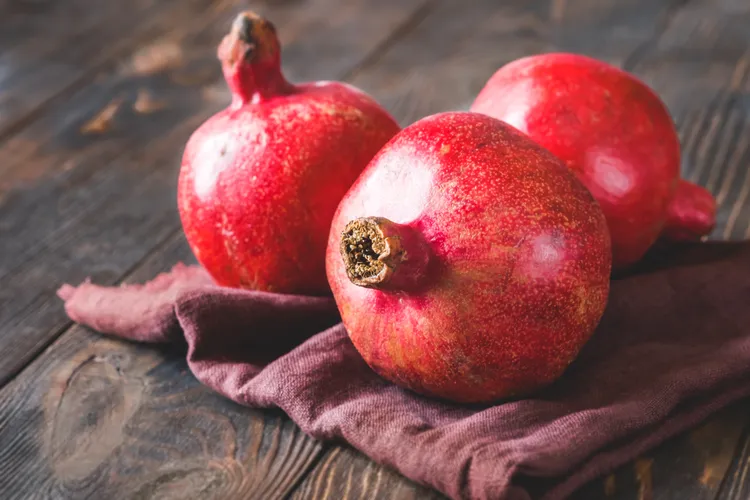
Pomegranates are prized for their jewel-like seeds, refreshing sweetness, and impressive health benefits. However, many people find that these fruits lose their freshness quickly if stored incorrectly. Wrinkled skins, dried-out arils, or dull flavor are common results of poor storage. The good news is that with the right methods, you can keep pomegranates juicy and vibrant for weeks—sometimes even months.
Whether you buy them in bulk during peak season or harvest them fresh, proper storage can make a huge difference. This guide explains how to store pomegranates correctly, from whole fruit to seeds, so you enjoy their flavor and nutrition for as long as possible.
Understanding Pomegranates and Ripeness
Before storage, it’s important to start with good-quality fruit. Fully ripe pomegranates are naturally better suited for long-term storage.
How to Choose the Best Pomegranates
- Heavy for their size, indicating juicy arils
- Firm outer skin with no soft spots
- Bright, deep color rather than pale or faded skin
- Angular shape, showing well-developed seeds inside
Avoid fruits with cracks, mold, or excessive bruising, as these deteriorate quickly even under ideal storage conditions.
Storing Whole Pomegranates at Room Temperature
If you plan to consume pomegranates within a few days, room-temperature storage works well.
Best Practices
- Keep them in a cool, dry place
- Avoid direct sunlight
- Ensure good air circulation
At room temperature, whole pomegranates typically stay fresh for up to 5–7 days without losing quality.
Refrigerating Whole Pomegranates
For longer storage, refrigeration is the most effective method.
How to Store in the Refrigerator
- Place whole pomegranates in the crisper drawer
- Keep them unwashed to prevent moisture buildup
- Store them away from strong-smelling foods
In the refrigerator, whole pomegranates can stay fresh and juicy for 3–4 weeks, sometimes longer if the fruit is in excellent condition.
Wrapping for Extra Protection
To prevent moisture loss and skin drying, wrapping pomegranates before refrigeration can help.
Wrapping Methods
- Wrap individually in paper towels
- Place inside breathable produce bags
- Avoid airtight plastic that traps moisture
This method helps maintain brightness and prevents the skin from becoming leathery.
How to Store Pomegranate Seeds (Arils)
Once opened, pomegranates require different storage techniques. The arils are delicate and prone to drying out.
Refrigerator Storage for Arils
- Remove seeds carefully, avoiding white membrane
- Place arils in an airtight container
- Line the container with a paper towel to absorb excess moisture
Stored this way, pomegranate arils remain fresh for 5–7 days in the refrigerator.
Freezing Pomegranate Seeds for Long-Term Storage
Freezing is an excellent option if you want to enjoy pomegranate seeds months later without losing much quality.
How to Freeze Arils
- Spread arils in a single layer on a baking tray
- Freeze until solid
- Transfer to freezer-safe bags or containers
Frozen pomegranate seeds can last up to 6–12 months and are perfect for smoothies, desserts, or garnishes.
Can You Freeze Whole Pomegranates?
While it’s technically possible, freezing whole pomegranates is not recommended. The skin becomes tough, and the internal texture changes when thawed. Freezing arils instead preserves flavor and texture much better.
Storing Pomegranates in a Cool Pantry or Cellar
If you have access to a cool, dark pantry or cellar, pomegranates can be stored there for extended periods.
Ideal Conditions
- Temperature between 5–10°C (41–50°F)
- Low humidity
- Good ventilation
Under these conditions, whole pomegranates may last up to two months while retaining juiciness and color.
Common Storage Mistakes to Avoid
Even with the best intentions, small mistakes can shorten storage life.
Mistakes That Reduce Freshness
- Washing fruit before storage
- Storing near apples or bananas, which release ethylene gas
- Using sealed plastic bags without ventilation
- Leaving damaged fruit with healthy ones
Avoiding these errors helps preserve both taste and appearance.
How to Tell If a Pomegranate Has Gone Bad
Even properly stored pomegranates won’t last forever.
Signs of Spoilage
- Sour or fermented smell
- Mold on the skin or seeds
- Slimy or mushy arils
- Bitter or off taste
If any of these signs appear, discard the fruit immediately.
Keeping Pomegranates Bright and Flavorful After Cutting
If you use only part of a pomegranate, store the remaining portion carefully.
Storage Tips for Cut Fruit
- Wrap tightly in plastic wrap or store in an airtight container
- Refrigerate promptly
- Consume within 2–3 days
Exposure to air is the biggest enemy of brightness and flavor after cutting.
Why Proper Storage Matters
Pomegranates are rich in antioxidants, vitamins, and minerals. Proper storage helps:
- Preserve nutritional value
- Maintain natural sweetness
- Prevent waste
- Save money during peak seasons
By storing them correctly, you get the most benefit from every fruit.
Seasonal Storage Tips
During peak harvest seasons, pomegranates are often cheaper and more abundant.
Smart Seasonal Strategy
- Buy firm, undamaged fruits
- Store whole fruits in the refrigerator
- Freeze excess arils for later use
This approach ensures a steady supply long after the season ends.
Final Thoughts
Knowing how to store pomegranates so they stay juicy and bright for weeks can transform how you enjoy this nutritious fruit. From proper selection and refrigeration to freezing arils for long-term use, small steps make a big difference.
With the right storage techniques, pomegranates remain as vibrant and flavorful as the day you bought them—ready to enhance salads, desserts, juices, or simply to be enjoyed fresh. A little care goes a long way in preserving both taste and nutrition, ensuring every ruby-red seed is worth savoring.