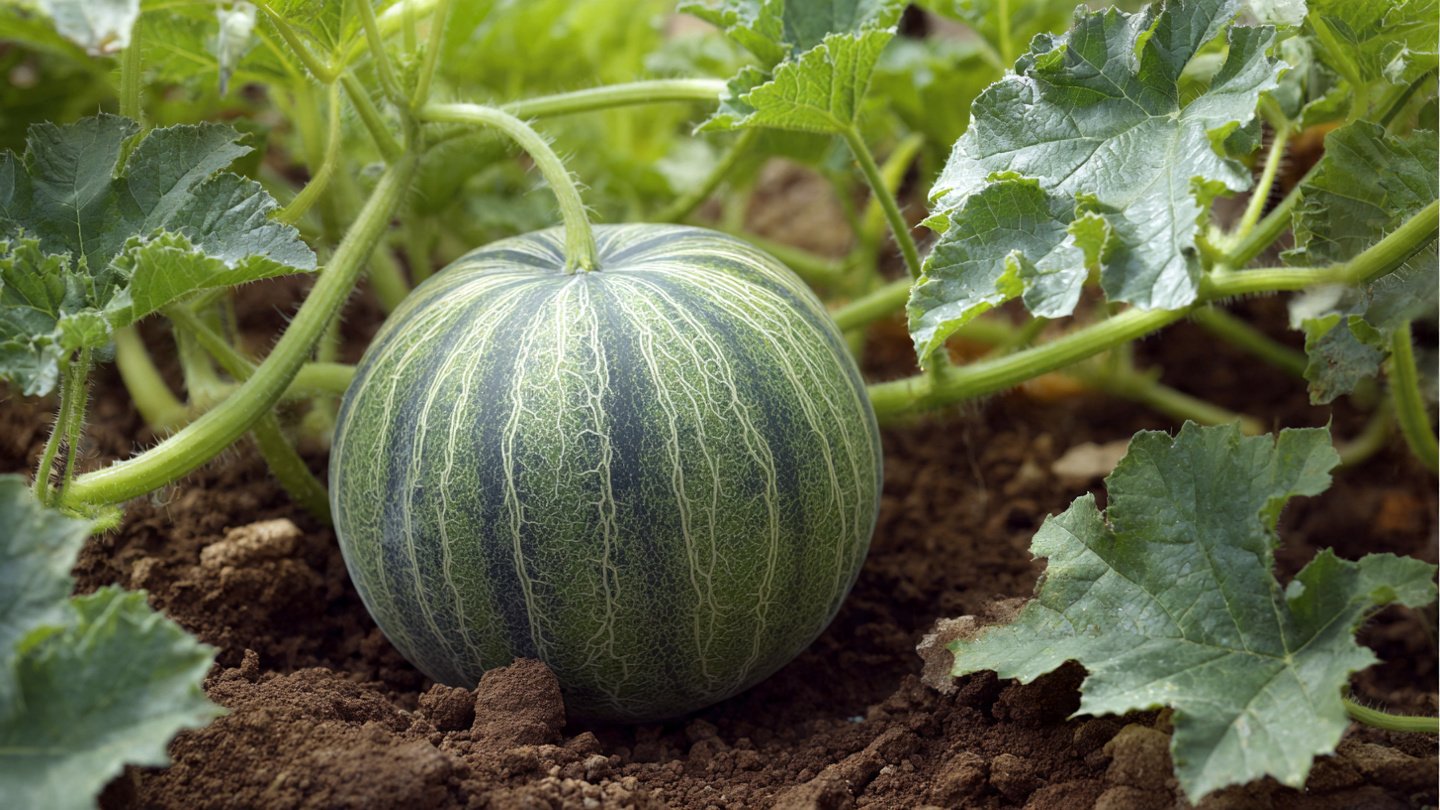
Growing melons at home may sound like a project reserved for gardeners with large backyards, but the truth is far more exciting. With the right container, proper care, and a little patience, you can grow delicious, sweet, and juicy melons right on your balcony, terrace, or patio. Container melon gardening is not only space-saving but also highly rewarding, offering fresh fruit that tastes far better than store-bought varieties.
This complete guide walks you through every stage of growing melons in pots—from choosing seeds to harvesting perfectly ripe fruit.
Why Grow Melons in Containers?
Container gardening gives you full control over soil quality, watering, and sunlight exposure. Melons grown in pots often face fewer soil-borne diseases and pests than those planted directly in the ground. Containers also warm up faster, which melons love, encouraging quicker growth and earlier fruiting.
Another major advantage is mobility. You can move pots to follow sunlight or protect plants from heavy rain and extreme heat. For urban gardeners or beginners, container-grown melons are a perfect introduction to fruit gardening.
Best Melon Varieties for Containers
Not all melons are ideal for pots. Choose compact or bush varieties that are bred for smaller spaces. Some excellent container-friendly options include:
- Mini cantaloupes
- Bush muskmelons
- Small watermelon varieties
- Early-maturing honeydew types
Look for seed packets labeled “compact,” “bush,” or “container suitable.” These varieties produce smaller fruits but maintain excellent sweetness and flavor.
Choosing the Right Container
Melons need space for roots, so container size matters greatly. Each plant should be grown in a pot that holds at least 40–50 liters of soil. The container should be:
- At least 16–18 inches deep
- Wide enough to support spreading vines
- Equipped with multiple drainage holes
Fabric grow bags, large plastic pots, or sturdy clay containers all work well. Avoid shallow containers, as restricted roots lead to poor fruit development.
Ideal Soil Mix for Melons
Healthy soil is the foundation of sweet, juicy melons. Use a loose, well-draining soil mix that holds moisture without becoming soggy. A good container mix includes:
- High-quality potting soil
- Compost or well-rotted manure
- Coconut coir or peat moss for moisture retention
- Perlite or sand for aeration
Melons prefer slightly acidic to neutral soil (pH 6.0–6.8). Rich soil encourages strong vines and better-tasting fruit.
Planting Melon Seeds
You can sow seeds directly into containers or start them indoors and transplant later. For direct sowing:
- Fill the container with prepared soil, leaving 2 inches at the top
- Plant 2–3 seeds about 1 inch deep
- Water gently and keep soil consistently moist
- Once seedlings emerge, thin to the strongest plant
Melon seeds germinate best in warm conditions. If temperatures are low, keep containers in a sunny, sheltered area.
Sunlight Requirements
Melons are sun lovers and require 6–8 hours of direct sunlight daily. More sun equals sweeter fruit. Place containers where they receive uninterrupted sunlight, such as a south-facing balcony or terrace.
If growing in extremely hot climates, provide light afternoon shade to prevent leaf scorch, but never compromise morning sunlight.
Watering: The Key to Juicy Melons
Consistent watering is crucial. Uneven watering can lead to poor fruit quality or cracking. Follow these guidelines:
- Water deeply so moisture reaches the roots
- Keep soil evenly moist, not waterlogged
- Reduce watering slightly once fruits begin to ripen to enhance sweetness
Always water at the base of the plant to keep leaves dry and reduce disease risk.
Feeding and Fertilization
Melons are heavy feeders. Start with nutrient-rich soil, then supplement with fertilizers throughout the growing season.
- Use balanced liquid fertilizer during early growth
- Switch to potassium-rich fertilizer once flowering begins
- Avoid excessive nitrogen, which promotes leaves over fruit
Organic options like compost tea, vermicompost, or banana peel water work very well for container melons.
Supporting Vines and Fruits
Even compact melon varieties produce trailing vines. Providing support helps save space and improves airflow.
- Use trellises, bamboo stakes, or netting
- Train vines upward gently
- Support developing fruits with cloth slings or mesh bags
Supporting fruits prevents breakage and allows even ripening.
Pollination Tips
Melons produce separate male and female flowers. Bees usually handle pollination, but in urban areas, you may need to help.
Hand pollination is simple:
- Identify male flowers (no small fruit behind them)
- Gently transfer pollen to female flowers using a soft brush
Proper pollination ensures well-shaped, fully developed melons.
Common Problems and Solutions
- Yellow leaves: Often due to nutrient deficiency or overwatering
- Flowers falling off: Poor pollination or stress
- Small fruits: Too many fruits per plant—thin to 2–3 fruits for best size and sweetness
Regular inspection helps catch issues early.
Harvesting Sweet, Ripe Melons
Harvest time is the most exciting part. Signs of ripeness include:
- Sweet aroma near the fruit stem
- Color change according to variety
- Fruit easily detaches from the vine
- Slight softness at the blossom end
Harvest in the morning for best flavor. Once picked, melons can be enjoyed immediately or stored briefly in a cool place.
Final Thoughts
Growing melons in containers proves that space is no barrier to enjoying fresh, homegrown fruit. With the right variety, proper care, and consistent attention, you can harvest sweet, juicy melons from your balcony or terrace. The flavor, satisfaction, and joy of eating a melon you grew yourself make the effort truly worthwhile.
Container melon gardening is not just practical—it’s pure gardening magic.