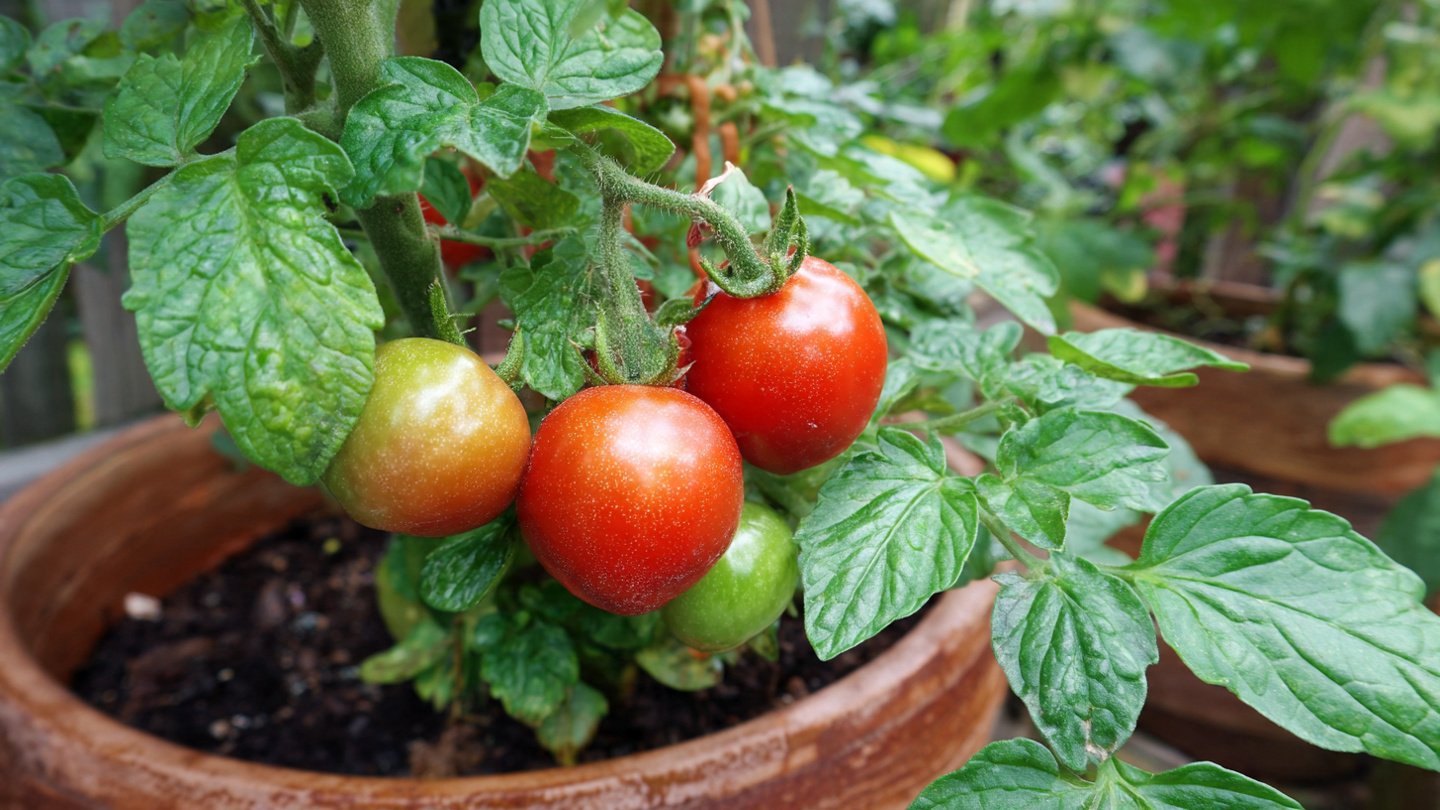
Growing tomatoes in containers is one of the most rewarding experiences for home gardeners, whether you live in an apartment, have a small balcony, or simply want better control over your plants. Container-grown tomatoes can be just as productive—sometimes even more so—than those grown in the ground, provided you follow the right techniques. This complete guide will walk you step by step from choosing seeds to harvesting a heavy crop of flavorful, homegrown tomatoes.
Why Grow Tomatoes in Containers?
Container tomato gardening offers flexibility and convenience. You can move plants to chase sunlight, protect them from heavy rain, or bring them indoors during extreme weather. Containers also reduce problems with soil-borne diseases and make it easier to manage watering, feeding, and pruning.
For beginners, containers provide a controlled environment that helps build confidence. For experienced gardeners, they allow experimentation with varieties, soil mixes, and growing methods.
Choosing the Right Tomato Varieties
Not all tomatoes perform equally well in containers. The first key to success is selecting suitable varieties.
Determinate vs. Indeterminate
- Determinate (bush) tomatoes grow to a fixed height and produce fruit over a shorter period. They are ideal for small containers and limited spaces.
- Indeterminate (vining) tomatoes continue growing and producing fruit throughout the season. They need larger containers and strong support but often give higher yields over time.
Best Choices for Containers
Look for varieties labeled as “compact,” “patio,” or “container-friendly.” Cherry and grape tomatoes are especially reliable, but many medium-sized slicing tomatoes also thrive in pots if given enough space.
Starting Tomatoes from Seed
Starting from seed gives you more variety options and healthier plants.
When to Start
Begin seeds 6–8 weeks before your last expected frost date. In warm climates, you can start almost year-round, timing plantings to avoid extreme heat.
How to Sow Seeds
- Use seed trays or small pots with a light, well-draining seed-starting mix.
- Sow seeds about 0.5 cm deep.
- Keep the soil moist but not soggy.
- Place in a warm spot with bright light.
Seeds usually germinate within 5–10 days. Once seedlings appear, ensure they receive at least 6–8 hours of strong light daily to prevent leggy growth.
Selecting the Perfect Container
Container size directly affects plant health and yield.
Ideal Container Size
- Small or dwarf varieties: minimum 10–12 liters
- Medium to large varieties: 20–30 liters or more
Bigger containers hold more soil, retain moisture better, and support stronger root systems.
Drainage Is Essential
Always choose containers with drainage holes. Poor drainage leads to root rot and weak plants. If needed, elevate pots slightly so excess water can escape freely.
Creating the Best Soil Mix
Tomatoes are heavy feeders and need rich, well-aerated soil.
Recommended Soil Mix
- High-quality potting mix (not garden soil)
- Well-rotted compost or vermicompost
- A small amount of coco peat or perlite for drainage
The soil should be loose, fertile, and able to hold moisture without becoming waterlogged.
Transplanting Seedlings Correctly
When seedlings are 12–15 cm tall and have several true leaves, they are ready for transplanting.
Planting Tips
- Bury the stem deeper than it was in the seed tray. Tomatoes develop roots along buried stems, resulting in stronger plants.
- Space one plant per container.
- Water thoroughly after planting.
Keep newly transplanted seedlings in partial shade for a day or two to reduce shock, then move them into full sun.
Sunlight and Placement
Tomatoes love sunlight. Place containers where plants receive at least 6–8 hours of direct sun daily. Morning sun is especially beneficial, helping leaves dry quickly and reducing disease risk.
If sunlight is limited, reflective surfaces or light-colored walls nearby can help increase brightness.
Watering Wisely for Juicy Tomatoes
Consistent watering is one of the most important factors in container tomato success.
Best Practices
- Water deeply until excess drains from the bottom.
- Check moisture daily during hot weather.
- Avoid letting the soil completely dry out, as this can cause blossom end rot and cracked fruits.
Water at the base of the plant rather than on the leaves to minimize fungal problems.
Feeding for Heavy Yields
Container tomatoes rely entirely on you for nutrients.
Fertilizing Schedule
- Start feeding 2–3 weeks after transplanting.
- Use a balanced liquid fertilizer or organic feed every 10–14 days.
- Once flowering begins, switch to a fertilizer higher in potassium to support fruit development.
Overfeeding nitrogen can result in lush leaves but fewer fruits, so balance is key.
Supporting and Pruning Plants
Even compact tomato plants benefit from support.
Support Options
- Bamboo stakes
- Tomato cages
- Trellises for balconies
Tie stems gently with soft ties to prevent damage.
Pruning Basics
- Remove lower leaves touching the soil.
- For indeterminate varieties, pinch off excess side shoots if space is limited.
- Avoid heavy pruning, as leaves protect fruits from sunscald.
Managing Pests and Diseases
Container tomatoes are generally easier to manage, but issues can still arise.
Common Problems
- Aphids and whiteflies: wash off with water or use mild soap spray.
- Fungal diseases: ensure good air circulation and avoid wet foliage.
- Blossom end rot: maintain consistent watering and adequate calcium in the soil.
Regular inspection helps catch problems early before they spread.
Harvesting at Peak Flavor
Tomatoes taste best when harvested fully ripe on the vine.
Harvest Tips
- Pick fruits when they are evenly colored and slightly soft.
- Harvest regularly to encourage continued fruiting.
- Handle gently to avoid bruising.
Freshly picked tomatoes can be enjoyed immediately or stored at room temperature for a few days—never in the refrigerator, as cold reduces flavor.
Final Thoughts
Growing tomatoes in containers from seed to harvest is a deeply satisfying journey. With the right variety, a suitable container, rich soil, consistent care, and a bit of patience, even the smallest space can produce an abundance of juicy, flavorful tomatoes. Whether you dream of fresh salads, homemade sauces, or simply the joy of harvesting your own food, container tomato gardening proves that a bountiful harvest doesn’t require a big garden—just smart planning and loving care.