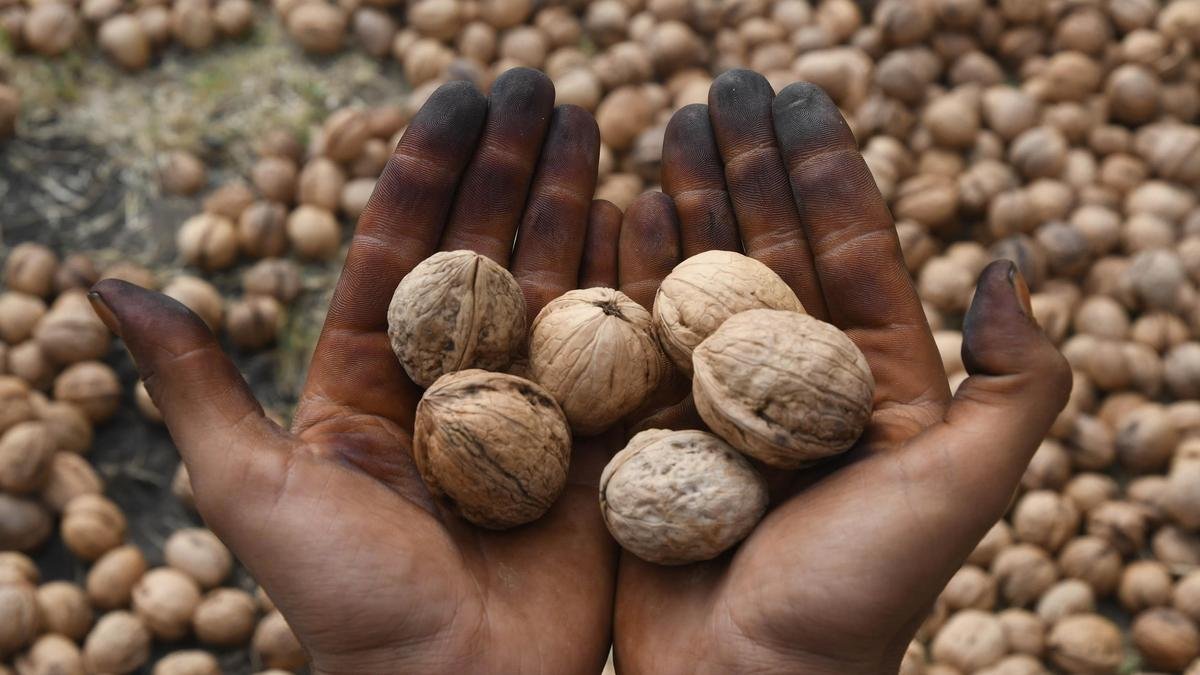
Indian customs authorities recently made headlines after detaining a cargo ship carrying 309 containers of dry fruits, following the discovery that the declared country of origin of walnuts was allegedly falsified. The seizure has drawn attention to growing concerns around trade fraud, misdeclaration of imports, and the misuse of preferential trade benefits in India’s agricultural and food-import sector.
The case is being described as one of the most significant dry-fruit related enforcement actions in recent times, highlighting the increasing vigilance of Indian authorities against customs violations.
What Triggered the Detention?
The ship, loaded with hundreds of containers of dry fruits, came under scrutiny during routine customs risk assessment procedures. Officials noticed discrepancies in shipping documents related specifically to walnuts, a high-value dry fruit subject to strict import regulations and varying customs duties depending on the country of origin.
Preliminary checks suggested that the walnuts were declared as originating from a country eligible for lower import duties, while intelligence inputs indicated they may have actually come from a different source with higher tariff rates. This mismatch raised red flags, prompting customs officials to detain the entire consignment for detailed examination.
Role of Indian Customs Authorities
The operation was led by Indian Customs, which functions under the Central Board of Indirect Taxes and Customs. Indian Customs is responsible for enforcing import-export laws, preventing revenue loss, and ensuring compliance with trade agreements.
Officials stated that falsifying the country of origin is a serious violation, as it can:
- Cause significant revenue loss to the government
- Undermine fair trade practices
- Harm domestic producers
- Exploit international trade agreements
Given the scale of the consignment—309 containers—the potential financial implications are substantial.
Why Country of Origin Matters for Walnuts
Walnuts are among the most regulated dry fruits imported into India. Import duties vary widely depending on whether the walnuts originate from countries with trade concessions or from those without such agreements.
For example:
- Some countries enjoy reduced or zero duty under preferential trade agreements
- Others face significantly higher tariffs to protect domestic growers
Misdeclaring origin allows importers to illegally reduce customs duty, gaining an unfair price advantage in the Indian market. This practice not only affects government revenue but also hurts legitimate traders who follow the rules.
Scale and Nature of the Alleged Fraud
According to officials familiar with the investigation, the alleged misdeclaration involved forged or manipulated documents, including:
- Certificates of origin
- Shipping invoices
- Packing lists
By using false documentation, the importers may have attempted to pass off the walnuts as originating from a preferred country. The size of the shipment suggests the operation was systematic rather than accidental, leading authorities to suspect an organized trade fraud network.
Examination and Verification Process
Once the ship was detained, customs officers initiated a detailed inspection process that includes:
- Physical examination of containers
- Verification of labeling and packaging
- Cross-checking certificates of origin with issuing authorities
- Reviewing shipping routes and transshipment points
Samples of the walnuts may also be sent for scientific analysis to determine geographical indicators, a method increasingly used in high-value agricultural fraud cases.
Until the investigation is completed, the consignment will remain under customs control, and clearance has been suspended.
Legal Provisions and Possible Penalties
Under Indian customs law, misdeclaration of goods or origin can attract:
- Confiscation of the entire consignment
- Heavy monetary penalties
- Recovery of evaded customs duty with interest
- Criminal prosecution in serious cases
If deliberate fraud is established, individuals and companies involved could face long-term bans from importing activities, along with possible arrest and prosecution.
Impact on the Dry Fruit Market
The detention of such a large consignment may temporarily impact walnut supplies in the Indian market, especially ahead of peak consumption seasons such as festivals and weddings.
Traders have expressed concern that:
- Supply disruptions could raise retail prices
- Increased scrutiny may slow down clearance of other consignments
- Legitimate importers may face stricter compliance checks
However, industry experts also acknowledge that enforcement actions like this help clean up the trade ecosystem in the long run.
Growing Vigilance Against Trade Misdeclaration
This case is part of a broader trend of increased enforcement by Indian authorities against import fraud. In recent years, customs officials have intensified checks on:
- Agricultural imports
- Electronics and machinery
- Textiles and chemicals
Advanced data analytics, risk profiling, and international cooperation have made it harder for traders to evade detection through document manipulation alone.
International Trade Implications
Faking country of origin not only violates Indian law but also international trade norms. Such practices can strain trade relationships between countries and lead to stricter controls or retaliatory measures.
Authorities may also share findings with customs agencies in exporting countries to identify the source of falsified documents and prevent similar attempts in the future.
What Happens Next?
The next steps in the case include:
- Completion of document verification
- Assessment of duty evasion amount
- Identification of importers, brokers, and intermediaries involved
- Initiation of adjudication and legal proceedings
The outcome will depend on whether authorities can conclusively prove intentional misdeclaration and establish the true origin of the walnuts.
Final Thoughts
The detention of a ship carrying 309 containers of dry fruits for allegedly faking the origin of walnuts underscores the seriousness with which Indian authorities view customs violations. Beyond revenue protection, such actions are crucial for maintaining transparency, fairness, and trust in international trade.
As investigations continue, the case serves as a strong warning to importers that shortcuts and fraudulent practices—especially on a large scale—carry significant legal and financial risks. For India’s trade ecosystem, it marks another step toward tighter compliance and stronger enforcement.