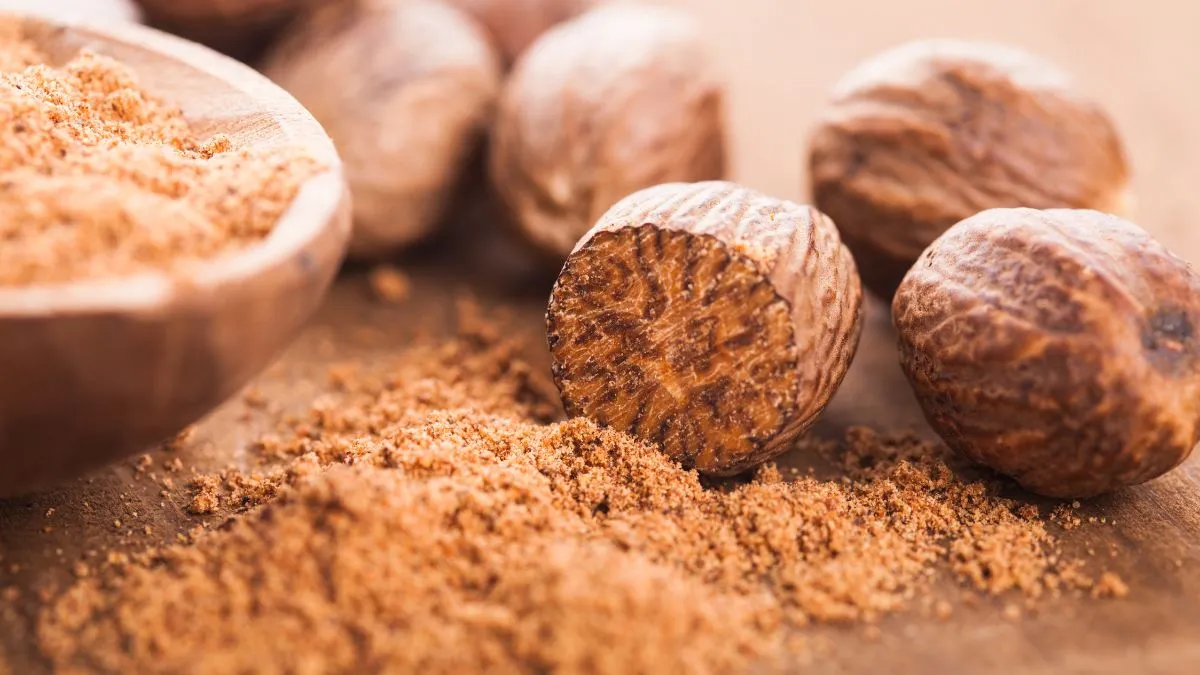
When people hear the phrase “Island of Nutmeg,” it sounds almost mythical—an island so closely tied to a single spice that its identity became inseparable from it. Yet this title is very real and deeply rooted in global history. The island most famously known as the Island of Nutmeg is Banda Islands, a small but historically powerful group of islands in eastern Indonesia.
For centuries, these islands were the only place on Earth where nutmeg grew naturally. This rare monopoly transformed the Banda Islands into the center of international trade, colonial ambition, and violent competition that reshaped world history.
The Banda Islands: A Small Place with Global Impact
The Banda Islands are part of the Maluku Islands, often called the Spice Islands. Although tiny in land area, their importance once rivaled that of major empires. Among the Banda group, Banda Neira is the most well-known and historically significant.
What made these islands so special was their climate and soil. The volcanic earth, warm temperatures, and sea breezes created the perfect conditions for nutmeg trees to flourish. For centuries, nowhere else on the planet could produce this spice naturally.
Why Nutmeg Was Once More Valuable Than Gold
Today, nutmeg is a common kitchen spice. But in the 15th and 16th centuries, it was considered priceless in Europe and the Middle East.
Nutmeg was believed to:
- Cure digestive problems
- Prevent the plague
- Act as a powerful aphrodisiac
- Preserve food
Because of these beliefs, a sack of nutmeg could buy a house in Europe. Control over its source meant wealth, power, and political influence—making the Banda Islands a strategic obsession for global powers.
Early Trade and Indigenous Control
Long before Europeans arrived, the Banda Islands were already part of an advanced trading network. Local Bandanese people cultivated nutmeg and traded it with Arab, Indian, and Chinese merchants.
These early traders respected local systems. Nutmeg was exchanged peacefully, and the Bandanese maintained control over their land and production. This balance changed dramatically once European colonial powers entered the scene.
European Arrival and the Race for Nutmeg
The Portuguese were the first Europeans to reach the Banda Islands in the early 1500s, but they struggled to maintain control. Soon after, the Dutch arrived—and everything changed.
The Dutch East India Company (VOC) recognized nutmeg as a key to enormous profits. Their goal was simple: total monopoly.
To achieve this, the VOC used force, coercion, and treaties that heavily favored Dutch interests. When the Bandanese resisted, the consequences were devastating.
A Dark Chapter in History
In 1621, the Dutch launched a brutal campaign against the native population of the Banda Islands. Thousands of Bandanese were killed, enslaved, or exiled. The original nutmeg farmers were largely wiped out.
The Dutch then replaced them with enslaved laborers from other regions and turned the islands into controlled plantations. This violent act ensured that nutmeg profits flowed almost exclusively to the Netherlands for decades.
This tragic history is why the Banda Islands are not only known for nutmeg, but also remembered as a symbol of colonial exploitation.
Nutmeg’s Role in Shaping the Modern World
The importance of nutmeg even influenced modern borders. One of the most fascinating examples is the Treaty of Breda in 1667.
In this treaty:
- The Dutch kept control of the Banda Islands
- The British gained control of a small island called Manhattan
At the time, nutmeg seemed far more valuable than a distant piece of land in North America. History later proved otherwise—but it shows just how powerful the spice trade once was.
How Nutmeg Spread Beyond the Banda Islands
Eventually, the Dutch monopoly ended. The British and French smuggled nutmeg seeds out of the Banda Islands and planted them in other tropical colonies such as Grenada and Sri Lanka.
Once nutmeg could be grown elsewhere, its price dropped dramatically. What was once a luxury item became accessible worldwide, and the Banda Islands lost their exclusive status—but not their historical importance.
The Banda Islands Today
Today, the Banda Islands are quiet, beautiful, and relatively untouched by mass tourism. Nutmeg trees still grow there, and local farmers continue traditional harvesting methods.
Visitors can:
- Explore colonial forts
- Learn about spice history
- See nutmeg orchards up close
- Experience local culture shaped by centuries of global influence
Though small and remote, the islands carry stories that connect kitchens, empires, and continents.
Why the Banda Islands Are Still Called the Island of Nutmeg
The title “Island of Nutmeg” endures because no other place has such a deep, exclusive, and transformative relationship with this spice. The Banda Islands were not just producers—they were the birthplace of nutmeg’s global journey.
Their story reminds us that even the smallest islands can change the course of history, and that everyday items on our shelves often carry extraordinary pasts.
Final Thoughts
So, which island is known as the Island of Nutmeg? The answer lies in the Banda Islands of Indonesia, where a simple seed once fueled global trade, inspired conquest, and reshaped the world.
Next time you sprinkle nutmeg into a dish, remember that its origins trace back to a small group of islands whose influence was once as powerful as gold.