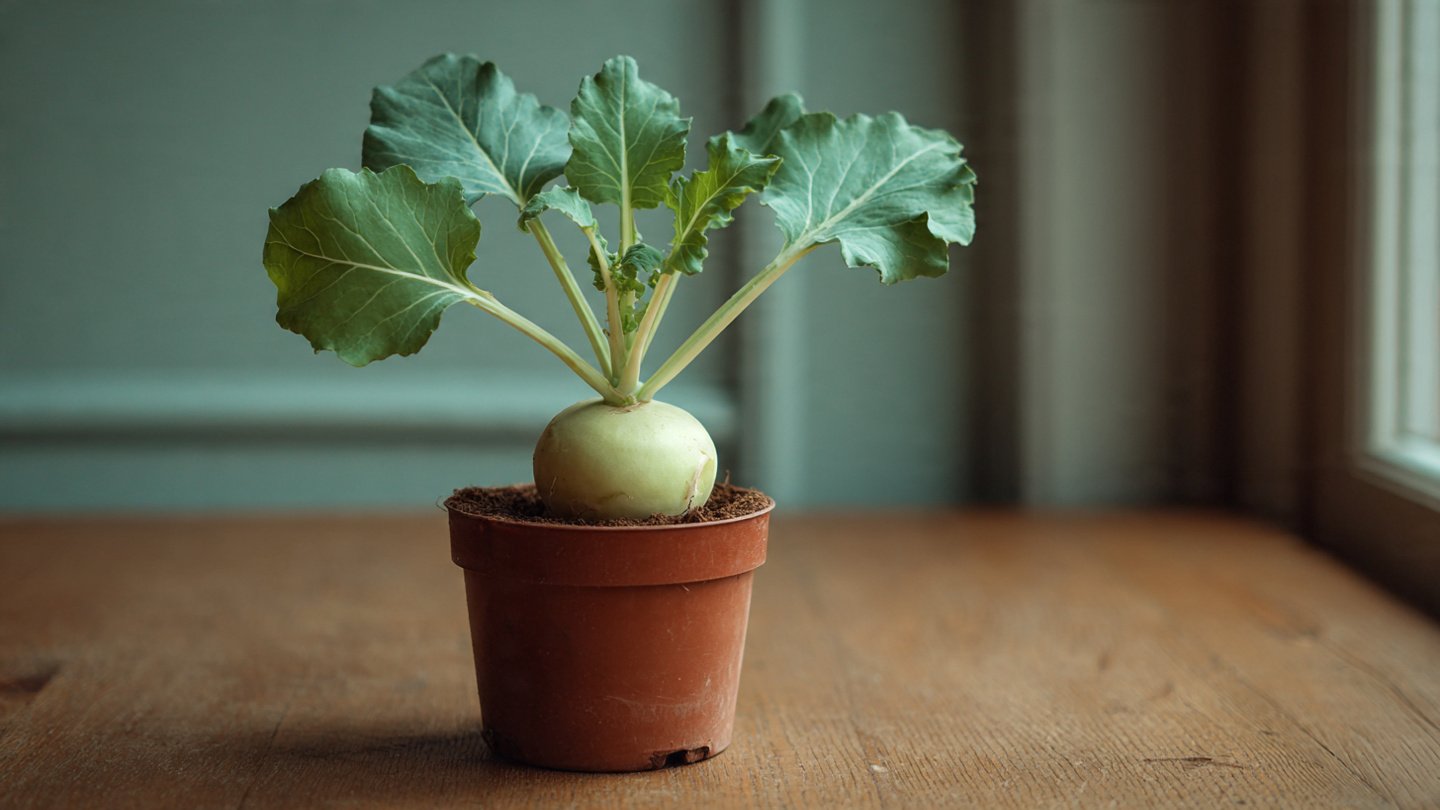
Kohlrabi is one of those vegetables that surprises even seasoned gardeners. Crisp, sweet, and slightly peppery, it’s as versatile in the kitchen as it is easy to grow. I never expected that a tiny plastic pot on my balcony could yield more kohlrabi than I imagined—but after experimenting with a simple setup, I discovered a surprisingly abundant harvest from just a few small plants.
If you’ve ever thought you need a large garden bed to grow vegetables, think again. With the right approach, even a humble plastic pot can produce a bountiful, nutritious, and visually striking crop. Here’s exactly how I managed to grow kohlrabi in a small container and why it worked better than I ever expected.
Why Kohlrabi Is Perfect for Small Spaces
Kohlrabi, also known as “German turnip,” is a fast-growing member of the cabbage family. Its unique bulb forms above the soil, making it ideal for container gardening. Unlike root vegetables that require deep soil, kohlrabi thrives in compact spaces because the edible portion develops just above or slightly below the surface.
It’s also nutrient-rich, packed with vitamins C and B6, fiber, and antioxidants. Homegrown kohlrabi tastes far sweeter and less woody than store-bought varieties, making it perfect for salads, stir-fries, and even roasting.
Choosing the Right Plastic Pot
The first secret to a great container harvest is choosing the right pot. I used a small plastic pot about 10–12 inches in diameter with drainage holes at the bottom. While it’s “tiny” in gardening terms, it provided just enough room for a few plants to grow comfortably.
Plastic pots are lightweight, inexpensive, and easy to move. This is important for balcony gardens or small urban spaces where sunlight and space might vary throughout the day.
Soil Preparation: Simple but Effective
Kohlrabi thrives in loose, fertile soil. Heavy or compacted soil can result in misshapen bulbs. I prepared a mix of:
- Potting soil or garden soil
- Compost or well-rotted manure
- A handful of perlite or sand for drainage
This combination ensured that water drained well while keeping the soil light enough for the bulbs to expand evenly. You don’t need fancy fertilizers at first—the plants are fairly undemanding when given nutrient-rich soil to start.
Selecting Kohlrabi Varieties
For container growth, I chose early-maturing or compact varieties. These tend to produce smaller bulbs, which is perfect for tiny pots. Popular options include:
- ‘Purple Vienna’ – Classic, flavorful, and visually appealing
- ‘White Vienna’ – Sweet, mild, and perfect for multiple harvests
- ‘Kossak’ – Resistant to bolting and ideal for small spaces
Choosing the right variety is essential because oversized types may outgrow the container and produce fewer bulbs.
Planting Kohlrabi in a Tiny Pot
I sowed seeds directly into the pot about ¼ inch deep. Once seedlings emerged and reached about 2–3 inches, I thinned them to leave one strong plant per 4–6 inches of space.
Direct sowing in the pot avoids transplant shock, which can stunt growth and reduce yields. It’s a simple, foolproof method for container gardening.
Sunlight and Placement
Kohlrabi loves full sun but tolerates partial shade. I placed the pot in a spot that received at least 6 hours of sunlight per day. Containers heat up faster than ground soil, so moving the pot occasionally to follow the sun helped ensure even growth.
In warmer climates, afternoon shade can prevent stress and maintain tenderness in the bulbs.
Watering for Maximum Growth
Consistent moisture is key for kohlrabi. Uneven watering can cause bulbs to crack or become woody. I followed a simple approach:
- Water lightly but consistently when the top inch of soil feels dry
- Avoid overwatering, which can rot the roots
- Mulch lightly to retain moisture and reduce temperature swings
This approach kept the soil evenly moist and encouraged steady bulb formation.
Feeding for an Unbelievable Harvest
Because kohlrabi grows quickly, it benefits from regular feeding. I used a diluted liquid fertilizer every 2–3 weeks once the plants had a few true leaves.
Balanced fertilization promotes leafy growth and supports bulb development, resulting in larger, sweeter, and more uniform harvests. Overfertilization, however, can produce lots of leaves at the expense of bulb size, so moderation is key.
Harvesting: The Moment of Truth
Kohlrabi matures quickly—usually within 45–60 days. The best way to know when it’s ready is by size: bulbs should be firm and about 2–3 inches in diameter.
I harvested by gently twisting the bulb or using a small knife to cut it at soil level. Leaving the plant’s lower leaves in place often encouraged a second, smaller harvest from the same plant.
To my surprise, even a “tiny” pot produced several bulbs, all perfectly shaped and tender. This was far beyond what I expected from such a small container!
Tips for Continuous Growth in Containers
- Succession Planting – Sow seeds every 2–3 weeks for a continuous supply of fresh kohlrabi.
- Cut-and-Come-Again Leaves – Harvesting outer leaves early provides extra greens without harming bulb development.
- Rotation and Refreshing Soil – After one crop, refresh soil with compost to prepare for the next planting.
- Pest Watch – Container-grown plants are less prone to pests, but occasional aphids or caterpillars can appear. Handpick them or use mild organic sprays if needed.
Why This Works Better Than Expected
The secret to a high-yield harvest in a tiny pot comes down to:
- Choosing the right compact variety
- Providing loose, fertile soil
- Consistent watering and moderate feeding
- Proper thinning and sunlight
By keeping things simple, I avoided the common pitfalls of overcomplicating container gardening. This method maximizes both space and production, proving that even a small plastic pot can be surprisingly productive.
Perfect for Urban Gardeners
This approach is ideal for anyone with limited space. Balconies, rooftops, patios, or even indoor grow stations can support kohlrabi growth. The plants are compact, fast-growing, and visually appealing, making them an attractive addition to urban gardens.
Plus, the satisfaction of harvesting several bulbs from a small container is unparalleled—it feels like getting an overachieving gift from a tiny plant.
Final Thoughts
Growing kohlrabi in a tiny plastic pot exceeded all my expectations. With minimal effort, simple soil preparation, and consistent care, I achieved an abundant, delicious harvest.
If you’ve ever doubted what can be grown in a small container, kohlrabi is a perfect example. It’s easy, fast, and incredibly rewarding. Even a single pot can supply a steady stream of fresh, nutritious bulbs for your kitchen, proving that big harvests don’t always require big gardens.