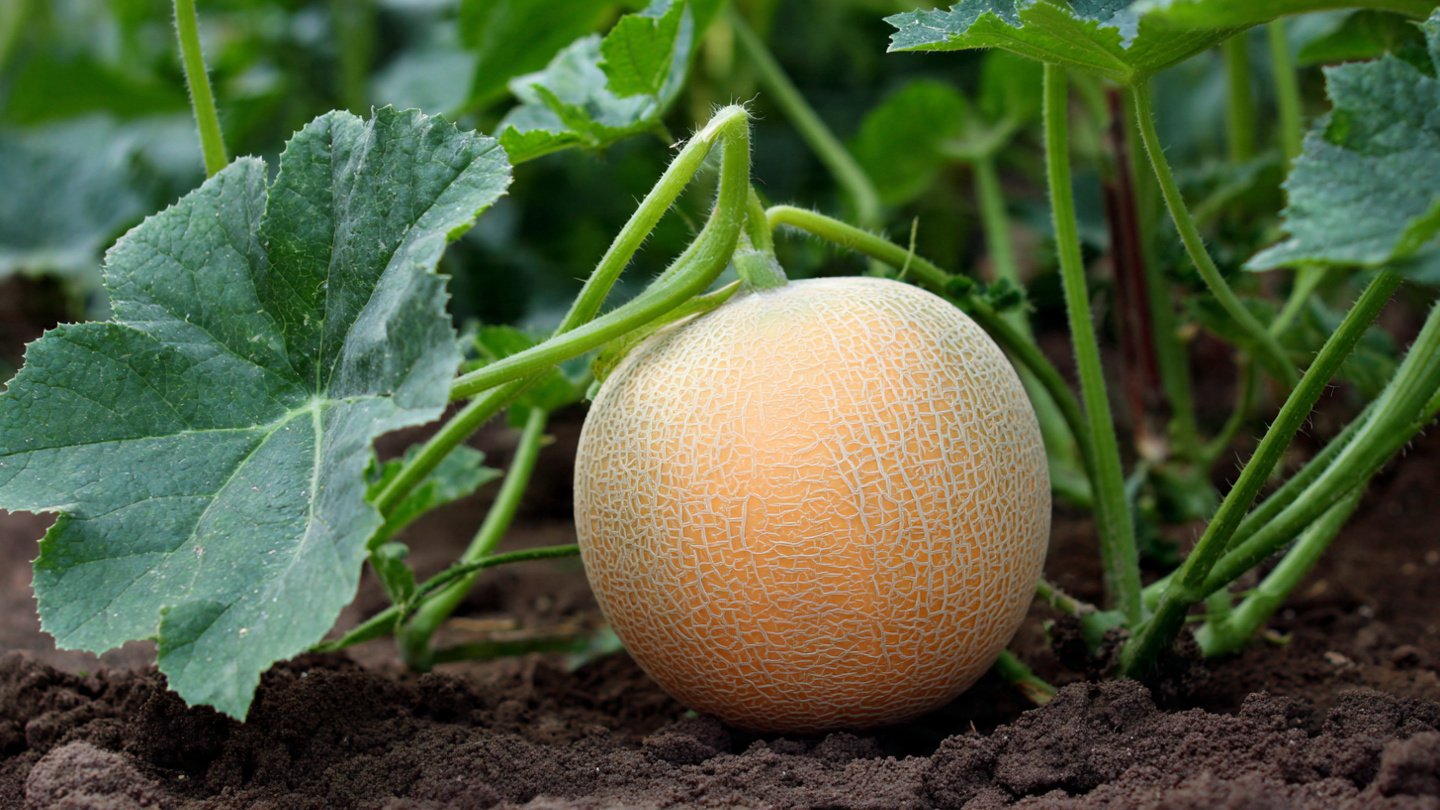
Cantaloupes are one of the most rewarding summer fruits you can grow at home. Their sweet, juicy flesh and fragrant aroma make them a garden favorite. But many gardeners struggle to produce big, flavorful cantaloupes with high yields. The secret lies in proper planning, soil preparation, plant care, and harvesting techniques.
This guide walks you through everything you need to know to grow cantaloupe at home—from selecting seeds to harvesting and storage—so you can enjoy large, sweet melons season after season.
Step 1: Choosing the Right Variety
The first step toward a successful harvest is selecting the right cantaloupe variety for your space and climate.
Popular Home-Garden Varieties:
- ’Ambrosia’ – Known for super sweet flesh
- ’Athena’ – Compact vines, ideal for small spaces
- ’Honey Rock’ – Big, smooth fruits, high sugar content
- ’Charentais’ – Fragrant, smaller fruit for intense flavor
Choose varieties suited to your growing zone and available space. Compact or bush types are perfect for container or raised-bed growing.
Step 2: Seed Selection and Germination
High-quality seeds are crucial for big, sweet cantaloupes.
Germination Tips:
- Soak seeds in warm water for 12–24 hours before planting
- Plant in seed trays or small pots 2–3 weeks before the last frost
- Use seed-starting soil that is light, well-draining, and rich in nutrients
- Maintain warmth at 24–30°C (75–86°F) for quick germination
Seeds typically sprout in 5–10 days. Strong seedlings will ensure vigorous growth later.
Step 3: Preparing the Soil
Cantaloupes need fertile, well-draining soil for large fruit development.
Ideal Soil Conditions:
- Sandy loam with pH 6–7
- Rich in organic matter (compost, aged manure)
- Loose soil to allow deep root growth
Bed Preparation:
- Work in 2–3 inches of compost or well-rotted manure
- Create mounds or raised rows to improve drainage and warmth
- Space hills 90–120 cm (3–4 feet) apart to allow vines to spread
Healthy soil is the foundation for sweet, juicy melons.
Step 4: Transplanting Seedlings
Once seedlings have 2–3 true leaves and all danger of frost has passed, it’s time to plant outdoors.
Transplanting Tips:
- Harden off seedlings for 7–10 days
- Plant in sunny locations with 6–8 hours of direct sunlight
- Space plants 90–120 cm apart for vining varieties
- Mulch around plants to retain moisture and suppress weeds
Proper transplanting reduces transplant shock and encourages early flowering.
Step 5: Watering and Irrigation
Cantaloupes require consistent moisture, especially during fruit development, but waterlogged soil can rot roots.
Best Practices:
- Water deeply 2–3 times per week during dry periods
- Reduce watering when fruits begin to mature to concentrate sugars
- Drip irrigation is ideal to avoid wetting leaves and reduce disease risk
Mulching helps keep the soil evenly moist and maintains soil temperature.
Step 6: Feeding for Big, Sweet Fruit
Fertilization is key for high yields and flavor.
Nutrient Tips:
- Apply a balanced fertilizer (N-P-K 10-10-10) at planting
- Once vines start running, switch to high potassium fertilizer to promote fruiting
- Foliar feeding with liquid compost or seaweed extract boosts growth
Avoid over-fertilizing with nitrogen once flowering begins, as it encourages leaves at the expense of fruits.
Step 7: Pollination for Maximum Fruit Set
Cantaloupes rely on pollinators to produce fruit. Poor pollination leads to misshapen or undersized melons.
Pollination Tips:
- Attract bees with flowering companion plants (marigolds, sunflowers)
- Gently shake flowers or use a small brush to transfer pollen
- Avoid planting too close together; good airflow improves pollination
Proper pollination directly influences fruit size, shape, and sweetness.
Step 8: Pruning and Training Vines
While cantaloupe vines are vigorous, training them improves yield and fruit quality.
Vine Management:
- Limit the number of fruits per vine to 2–4 for larger, sweeter melons
- Remove weak or overcrowded vines to improve airflow
- For vertical growing, use trellises and support fruits with slings
Training vines reduces disease and ensures bigger, juicier melons.
Step 9: Pest and Disease Control
Cantaloupes can fall prey to several pests and diseases, but with proper care, you can prevent major issues.
Common Pests:
- Aphids
- Cucumber beetles
- Squash bugs
Common Diseases:
- Powdery mildew
- Fusarium wilt
- Downy mildew
Prevention Tips:
- Practice crop rotation
- Mulch and remove weeds
- Spray neem oil or insecticidal soap when needed
- Space plants for good airflow
Early monitoring keeps your harvest safe and abundant.
Step 10: Harvesting Cantaloupes
Knowing when to harvest is critical for sweetness and flavor.
Signs of Ripeness:
- Fruit turns slightly golden at the base
- Netting on the rind becomes pronounced
- Melon slips easily from the stem with gentle pressure
Harvest in the morning or evening to prevent sun damage and store at room temperature for peak flavor.
Step 11: Storage and Enjoyment
Cantaloupes taste best fresh, but proper storage extends their shelf life.
Storage Tips:
- Store ripe melons at room temperature for immediate consumption
- Refrigerate sliced melons for up to 3–4 days
- Keep whole melons in a cool, shaded area if not eating immediately
Proper storage ensures the fruits remain juicy and sweet for longer.
Step 12: Tips for Continuous High Yield
- Plant staggered seeds every 2–3 weeks for continuous harvest
- Focus on sunniest spots for maximum sugar content
- Combine pruning, fertilization, and watering techniques for consistent quality
- Harvest early morning for peak flavor
Following these tips, you can enjoy big, sweet cantaloupes all season long.
Final Thoughts
Growing cantaloupes at home can be easy, rewarding, and incredibly productive. By choosing the right varieties, preparing fertile soil, maintaining proper watering, feeding strategically, ensuring pollination, and pruning correctly, you can harvest large, super sweet fruits with high yield.
Even if you’ve struggled with small fruits or poor harvests before, these expert-backed techniques will change the way you grow cantaloupes forever. With a little care and planning, you can turn your garden—or even containers on a balcony—into a cantaloupe paradise.