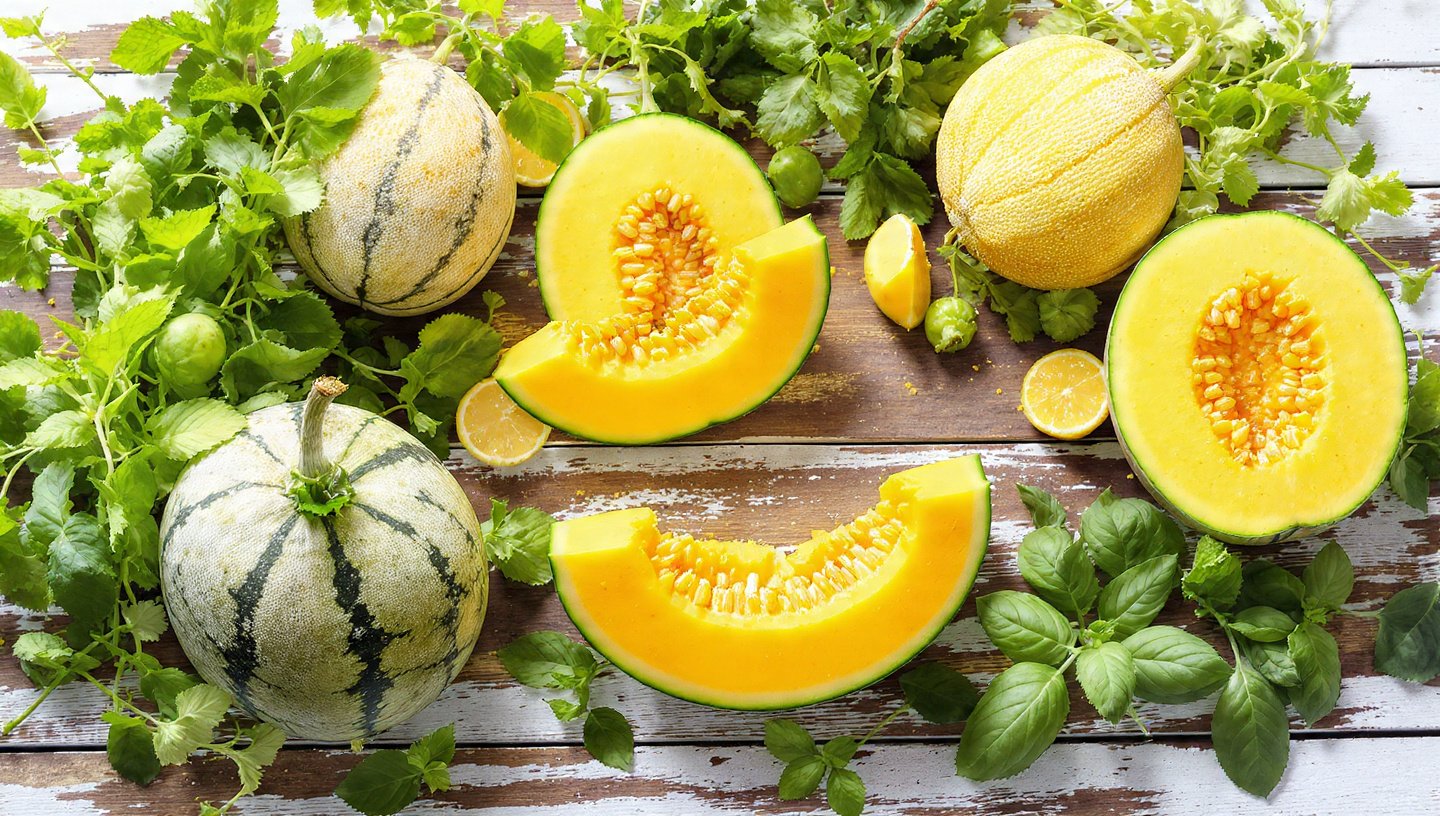
Melons are among the most refreshing and nutritious fruits you can grow at home. Sweet, juicy, and packed with vitamins, antioxidants, and hydration, they are perfect for summer and a staple in any healthy diet. The best part? You don’t need years of gardening experience to grow them successfully. With a few simple techniques, you can enjoy homegrown melons that are as flavorful as they are beautiful.
In this guide, we’ll reveal how to grow melons easily—even if you’ve never planted a garden before—and explain why these “super fruits” are worth every moment of your time.
Why Grow Melons at Home?
Homegrown melons offer multiple advantages over store-bought varieties:
- Unmatched flavor: Ripe, sun-grown melons are far sweeter than supermarket versions.
- Nutritional boost: Packed with vitamin C, A, potassium, and antioxidants.
- Cost-effective: Growing at home is cheaper than buying premium melons.
- Control over chemicals: You choose organic fertilizers and avoid pesticides.
- Fun and satisfying: Watching a melon grow from seed to fruit is highly rewarding.
Melons are often thought of as difficult, but with the right approach, even beginners can achieve impressive yields.
Step 1: Choose the Right Variety
Selecting the right melon variety ensures higher success rates, especially for first-time growers.
Beginner-friendly melon types:
- Cantaloupe (Muskmelon): Compact vines, sweet fruit
- Honeydew: Mild-flavored, medium-sized
- Galia: Resistant to heat, juicy and aromatic
- Watermelon (small varieties): Sweet and fast-growing
Tip:
Choose varieties suitable for your climate and growing season. Compact or bush types are ideal for limited spaces or container gardening.
Step 2: Prepare the Soil Properly
Melons thrive in loose, well-draining, nutrient-rich soil.
Ideal soil mix:
- Garden soil or sandy loam
- Compost or aged manure
- Optional: Coco peat or perlite for drainage
Preparation steps:
- Clear the area of weeds.
- Loosen the soil to a depth of 20–30 cm.
- Mix in organic matter to improve fertility.
Melons are heavy feeders, so giving them rich soil from the start sets them up for success.
Step 3: Plant Seeds or Seedlings
Melons can be grown from seeds or young seedlings, depending on your preference.
Planting from seeds:
- Soak seeds in water for 8–12 hours before sowing.
- Plant seeds 2–3 cm deep.
- Space them 60–90 cm apart for sprawling varieties.
Using seedlings:
- Transplant carefully to avoid root shock.
- Plant slightly deeper than the original pot soil.
Regular watering after planting ensures fast germination. Seeds typically sprout within 7–10 days.
Step 4: Give Them Plenty of Sunlight
Melons love sunlight. Full sun encourages flowering and fruit development.
Requirements:
- At least 6–8 hours of direct sunlight daily
- Morning sun is ideal, afternoon shade in extremely hot climates
A sunny spot ensures sweeter fruit and faster growth.
Step 5: Watering Made Simple
Melons need consistent moisture, especially during flowering and fruiting stages.
Watering tips:
- Water deeply once or twice a week
- Avoid wetting leaves, which can promote fungal diseases
- Reduce watering slightly as fruits ripen for sweeter flavor
Mulching the soil helps retain moisture and keeps the roots cool.
Step 6: Mulch for Better Results
Mulching is an easy way to reduce weeds and conserve water.
Benefits:
- Maintains soil moisture
- Suppresses weeds
- Protects fruits from soil contact
- Keeps roots cool
Straw, dried leaves, or grass clippings work well. Lay mulch around the base of each plant.
Step 7: Support Vines if Needed
Melons are often trailing plants. Supporting them can save space and reduce pest problems.
Options for beginners:
- Let vines spread naturally on the ground
- Use trellises for vertical growth
- Support fruits with nets or slings if growing vertically
Bush varieties need little to no support, making them perfect for beginners.
Step 8: Fertilize for Maximum Yield
Melons are heavy feeders, so occasional fertilization boosts growth and sweetness.
Fertilizer tips:
- Use compost or organic manure every 2–3 weeks
- Apply balanced organic fertilizer (NPK) early
- Increase potassium once flowers appear to promote fruiting
Avoid excessive nitrogen—it encourages leafy growth at the expense of fruits.
Step 9: Pollination Basics
Melons rely on pollination to produce fruit. Bees and other insects usually do the job naturally.
How to help if needed:
- Gently shake flowers to transfer pollen
- Use a small paintbrush to move pollen between flowers
- Avoid spraying insecticides during flowering
Proper pollination ensures more melons and reduces fruit drop.
Step 10: Harvesting at the Right Time
Timing is key to getting sweet, juicy melons.
Signs that melons are ready:
- Cantaloupe: Stem slightly separates from the fruit; aroma develops
- Honeydew: Skin turns creamy or yellowish; slight softening at the blossom end
- Watermelon: Tendril near the fruit dries; bottom spot turns yellow
Pick fruits carefully to avoid damage and encourage the plant to produce more.
Step 11: Common Problems and Easy Solutions
Even beginner gardeners may face a few challenges, but they’re manageable.
Possible issues:
- Powdery mildew: Use neem spray and ensure proper spacing
- Fruit splitting: Avoid overwatering during ripening
- Pests: Aphids, beetles, or caterpillars can be controlled with organic sprays
Choosing resilient varieties and maintaining proper sunlight, watering, and airflow keeps problems minimal.
Why This Method Works
By combining easy-to-grow varieties, rich soil, adequate sunlight, simple watering, and minimal maintenance, you can:
- Produce sweet, juicy melons at home
- Avoid complicated gardening techniques
- Enjoy continuous harvests during the growing season
- Grow melons even if you have no prior experience
The process is beginner-friendly and rewarding, producing fruits that taste better than store-bought options.
Extra Tips for Beginner Success
- Plant melons after the last frost for warmer soil
- Companion planting with corn, beans, or cucumbers provides shade and supports vine growth
- Mulch heavily in hot climates to conserve water
- Prune unnecessary side shoots to focus energy on fruit
With small adjustments, even novice gardeners can enjoy abundant harvests.
Final Thoughts
Growing melons at home doesn’t need to be complicated or intimidating. With the right variety, proper soil, simple watering, and a little patience, anyone can cultivate sweet, juicy super fruits that outperform supermarket melons.
Whether you have a small backyard, balcony space, or a few garden rows, these methods allow for high yields with minimal experience. Once you taste your first homegrown melon, you’ll wonder why you didn’t start sooner.
Melons are not just delicious—they’re fun to grow, visually appealing, and incredibly satisfying for any home gardener.