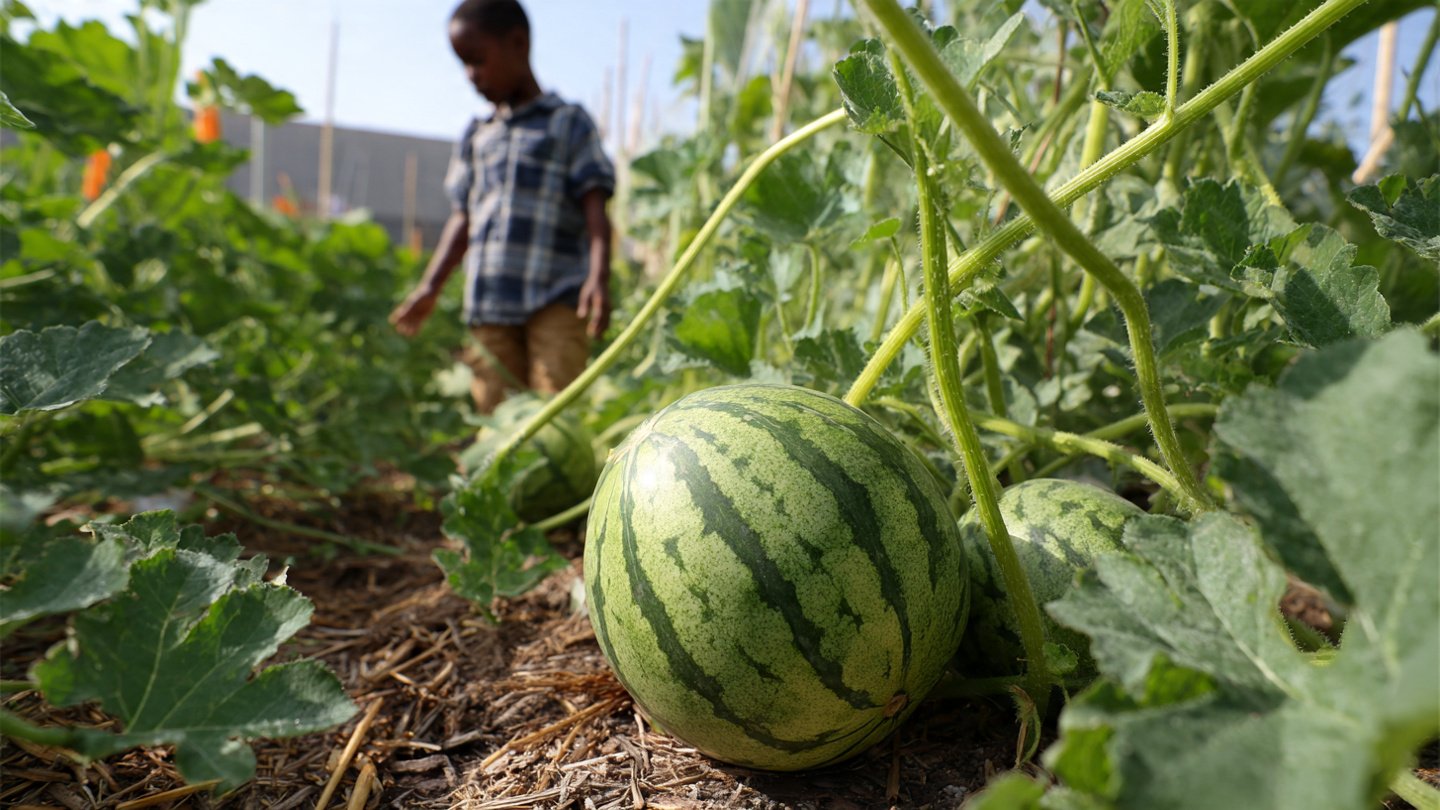
Watermelon is one of the most refreshing and rewarding fruits to grow at home. Sweet, juicy, and packed with nutrients, watermelons are a favorite for families everywhere. But what if you don’t have a garden, yard, or expensive tools? The good news is that with a little creativity, you can grow watermelons without traditional garden space—all you need are a few plastic bottles, sunlight, and some basic care.
In this guide, you’ll learn how to grow watermelon for your family using simple, low-cost methods that require almost no soil or garden plot.
Why Watermelon Is Perfect for Small-Space Gardening
Watermelons are generally associated with large farms or spacious gardens, but small-scale cultivation is possible with some planning. Here’s why watermelon is ideal for limited spaces:
- High yield in small containers: With the right setup, a single plant can produce 1–3 melons.
- Minimal inputs required: Water, sunlight, and organic nutrients are enough to grow healthy fruit.
- Fun and educational: Perfect for teaching kids about gardening and sustainable living.
- Portable: Plants in bottles can be moved to optimize sunlight or protect from pests.
By thinking vertically and using containers creatively, you can enjoy homegrown watermelon even in apartments or balconies.
Step 1: Selecting the Right Watermelon Variety
The first step to success is choosing the right variety. Some watermelons are naturally smaller, making them perfect for container cultivation.
Tips for variety selection:
- Choose “mini” or dwarf watermelon varieties like Sugar Baby, Sugar Snack, or Icebox.
- Select disease-resistant varieties for less maintenance.
- Buy untreated seeds or save seeds from previous fruits for a budget-friendly option.
Smaller varieties are easier to manage in bottles and still provide sweet, juicy fruit for the family.
Step 2: Preparing Plastic Bottles as Planters
Plastic bottles are a low-cost, sustainable alternative to pots and containers.
How to prepare bottles:
- Use 2–5 liter bottles with wide openings.
- Cut a hole at the top for planting and a few small drainage holes at the bottom.
- Optional: Cut side holes for watering if you want to create a self-watering system.
- Wash bottles thoroughly to remove any residues.
Bottles are lightweight, easy to move, and perfect for limited spaces.
Step 3: Creating the Growing Medium
Even without garden soil, watermelon plants can thrive in homemade soil mixtures.
Ingredients for bottle planting:
- 2 parts coco coir or potting mix
- 1 part compost or kitchen waste (banana peels, vegetable scraps)
- 1 part sand or rice husks for drainage
Tip: Watermelons like loose, well-draining soil. Avoid heavy clay that can suffocate roots.
Step 4: Planting Seeds or Seedlings
Once the bottles and soil are ready, you can plant seeds or small seedlings.
Planting steps:
- Plant 2–3 seeds per bottle at a depth of 1 inch.
- Keep the soil moist but not waterlogged.
- Place bottles in a sunny spot—watermelons need 6–8 hours of direct sunlight daily.
- Once seedlings sprout, thin to the strongest plant per bottle.
Healthy seedlings are the foundation for a bountiful harvest.
Step 5: Watering and Nutrition
Watermelons are thirsty plants and require consistent moisture. However, overwatering can lead to rot.
Watering tips:
- Water deeply every 2–3 days in warm weather.
- Reduce watering slightly once fruits start forming to encourage sweetness.
- Mulch the top of the bottle with straw or dried leaves to retain moisture.
Fertilization:
- Use homemade compost tea or banana peel water for potassium.
- Avoid excessive nitrogen—it produces lush leaves but fewer fruits.
Balanced care ensures plants focus energy on producing large, sweet melons.
Step 6: Supporting Vines in Small Spaces
Watermelon vines can grow long, sprawling up to 10–15 feet. In limited spaces, support is key.
Techniques for bottle cultivation:
- Train vines upward using string, trellis, or hooks.
- Secure vines to prevent breaking under the weight of melons.
- Place bottles close to walls or balcony rails to save space.
Proper support reduces stress on the plant and prevents fruit from touching damp surfaces.
Step 7: Pollination for Maximum Fruit Set
Watermelon flowers require pollination to produce fruit. In small spaces, natural pollinators may be limited.
Tips to improve pollination:
- Grow flowers nearby to attract bees.
- Hand-pollinate using a soft brush or cotton swab, transferring pollen from male to female flowers.
- Do this early in the day for the best results.
Better pollination leads to larger and more consistent fruit.
Step 8: Harvesting Watermelons in Bottles
Knowing when to harvest is crucial for sweetness and flavor.
Harvest indicators:
- Tendril nearest to fruit turns brown and dries.
- Skin color changes to a duller hue rather than bright green.
- Bottom of fruit develops a yellow patch where it rests.
Handle carefully—watermelons grown in bottles can be smaller but just as sweet as field-grown ones.
Bonus Tips for High Yield
- Succession planting: Start seeds every 2–3 weeks for continuous harvest.
- Rotate bottles: Move them to follow the sun for optimal growth.
- Prune lightly: Remove extra leaves to direct energy to fruits.
- Protect from pests: Use organic sprays or natural barriers to keep bugs away.
- Save seeds: Harvest seeds from your best fruits for future planting.
These simple practices make watermelon cultivation efficient, even in limited space.
Why This Method Works for Families
- Cost-effective: No need for garden beds or expensive tools.
- Space-saving: Bottles can fit on balconies, terraces, and windowsills.
- Educational: Kids can watch plants grow from seed to fruit.
- Nutritious: Fresh homegrown watermelons are free from pesticides.
- Self-sufficient: Even small spaces can provide multiple melons for family consumption.
With this method, you don’t need acres of land to enjoy homegrown watermelon.
Final Thoughts
Growing watermelon in plastic bottles proves that limited space and resources aren’t barriers to gardening success. With creativity, consistent care, and a few household items, you can enjoy sweet, juicy melons right at home. This method not only provides food for your family but also teaches sustainable gardening and self-reliance.
Whether you live in an apartment, small house, or urban area, this simple technique allows you to harvest watermelons, save money, and enjoy the satisfaction of growing your own food. Start with a few bottles, follow these expert tips, and watch your watermelon plants thrive—no traditional garden required.