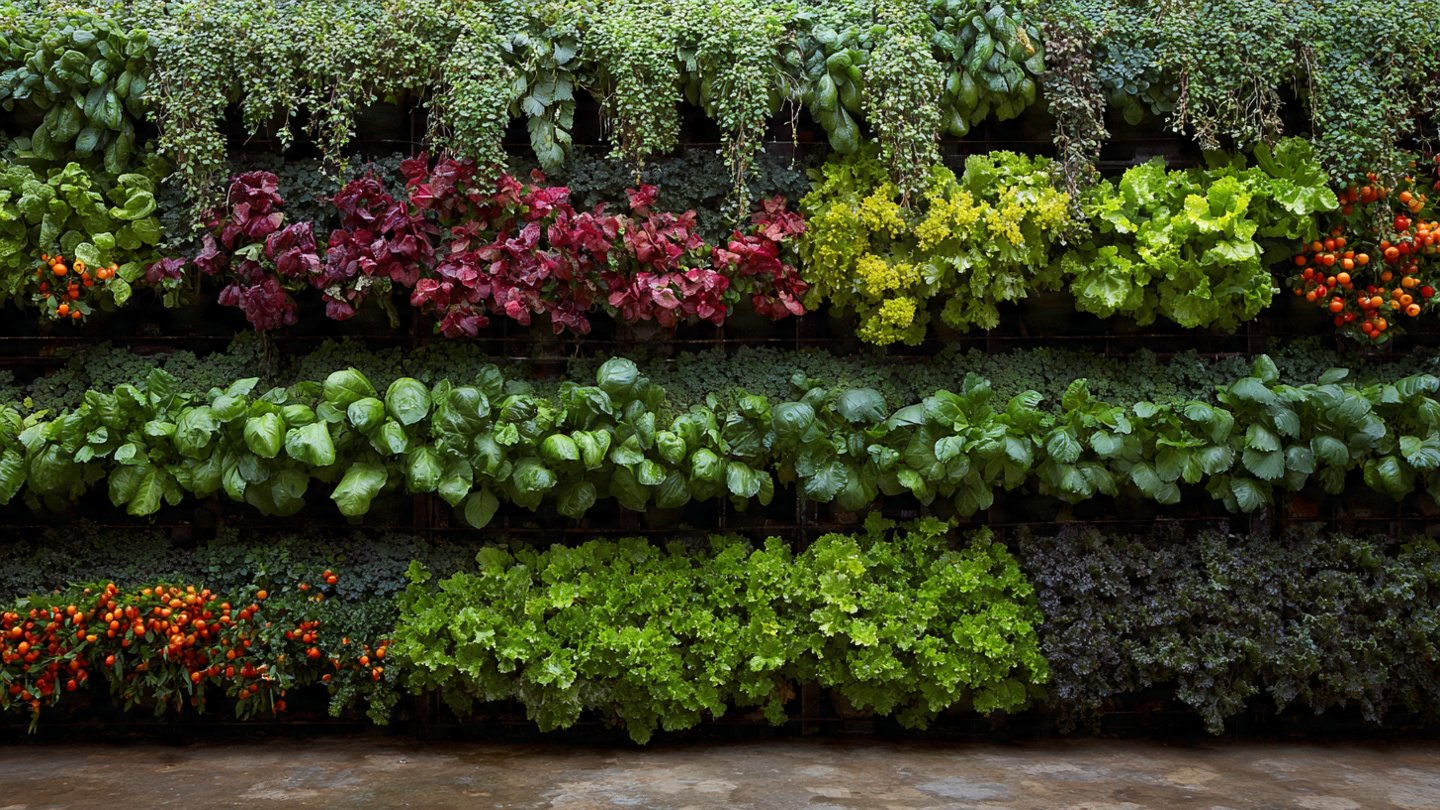
Urban living, small apartments, and limited outdoor space often make gardening feel impossible. But what if you could turn waste plastic bottles into a stunning, productive garden—without soil, large plots, or expensive equipment?
Yes, it’s possible. With a bit of creativity, recycled plastic bottles can become the foundation for vertical vegetable walls that are not only beautiful but also highly productive. This method saves space, reduces plastic waste, and lets anyone grow fresh vegetables right on a balcony, terrace, or small patio.
Why Vertical Vegetable Walls Are Perfect for Small Spaces
Vertical gardening is ideal when horizontal space is limited. Instead of planting rows on the ground, plants grow upward, forming a living wall.
Benefits of vertical vegetable walls include:
- Efficient use of small spaces
- Easier maintenance and harvesting
- Reduced pest issues compared to ground-level gardens
- Aesthetic appeal—perfect for patios, balconies, and indoor walls
- Ability to recycle and upcycle plastic bottles
By combining vertical gardening with recycled materials, you create a sustainable and visually stunning solution for urban gardening.
Materials You’ll Need
Creating a plastic bottle vegetable wall is simple and affordable. Here’s what you need:
Essentials:
- Empty plastic bottles (500ml–2L works well)
- Sharp scissors or utility knife
- Twine, rope, or nylon string
- Hooks, nails, or wall brackets
- Potting mix or compost
Optional items for extra efficiency:
- Small drip irrigation system
- Water reservoir for bottom watering
- Fertilizer for high-yield crops
Even just bottles and twine can create a functional, eye-catching garden wall.
Preparing the Plastic Bottles
Before planting, bottles must be transformed:
- Clean the bottles thoroughly to remove labels and residues
- Cut an opening in the side for planting (usually a rectangle or oval)
- Punch drainage holes at the bottom so excess water escapes
- Create hanging points at the top and bottom for string or rope support
Once prepped, bottles are ready to hold soil and seedlings.
Choosing Vegetables for Your Wall
Not all vegetables are suitable for vertical bottle gardening. Select plants that are compact, lightweight, and fast-growing.
Best options include:
- Leafy greens: lettuce, spinach, kale
- Herbs: basil, mint, coriander, parsley
- Compact fruits: cherry tomatoes, peppers
- Climbers or trailing plants: beans, peas, small cucumbers
Lightweight vegetables work best on vertical walls, while trailing plants can add visual interest and maximize yield.
Assembling the Vertical Wall
There are several ways to arrange bottles into a wall structure:
Option 1: Hanging Rows
- Tie bottles to vertical ropes with holes or knots at each bottle
- Hang multiple rows side by side for a dense vegetable wall
Option 2: Wall Mount
- Use nails, hooks, or brackets on a wall
- Secure bottles horizontally or at an angle
- Fill bottles with soil and plants
Option 3: Stacked Towers
- Place bottles upright in a pyramid or tower formation
- Use stakes or poles to keep them steady
Each method can be customized based on your available space, wall strength, and aesthetic preference.
Filling Bottles With Soil and Planting
A lightweight, nutrient-rich soil mix is crucial:
Recommended soil mix:
- 50% potting soil
- 25% compost
- 25% perlite or coco peat
Steps for planting:
- Fill bottles ¾ full with soil mix
- Gently transplant seedlings or sow seeds directly
- Water lightly until soil is evenly moist
Proper soil preparation ensures healthy growth and reduces the risk of root rot.
Watering and Maintenance
Vertical walls dry out faster than ground gardens. Consistent care is key:
Watering tips:
- Water gently at the top of each bottle
- Check soil moisture daily
- Consider bottom-watering with a reservoir for efficiency
Other maintenance tips:
- Prune excess leaves to avoid overcrowding
- Rotate plants occasionally for even sun exposure
- Monitor for pests and remove affected leaves promptly
A little attention each day keeps your vegetable wall thriving.
Adding Fertilizer for Bigger Harvests
Vertical gardens often need extra nutrients due to limited soil volume.
Tips for fertilizing:
- Use liquid organic fertilizers every 2–3 weeks
- Compost tea or diluted fish emulsion works well
- Avoid overfertilizing, which can damage roots in small containers
Balanced feeding ensures lush foliage and a bountiful harvest.
Advantages of Recycling Plastic Bottles
Creating a vegetable wall from recycled bottles is not just practical—it’s eco-friendly.
Environmental benefits:
- Reduces plastic waste
- Encourages sustainability and upcycling
- Teaches children and neighbors about creative recycling
- Adds green cover in urban areas, improving air quality
Your wall can be both a food source and a conversation starter about environmental responsibility.
Inspiring Ideas for Beautiful Walls
A vertical vegetable wall can be both functional and artistic:
- Mix herbs and leafy greens for a color contrast
- Use trailing plants like cherry tomatoes or peas for cascading effect
- Paint bottles in vibrant colors to create a cheerful display
- Add flowers among vegetables for extra aesthetics
With creativity, your wall can become a living artwork while providing fresh produce.
Final Thoughts
You don’t need a traditional garden to grow vegetables. By recycling plastic bottles, you can build a vertical garden that is productive, beautiful, and sustainable. It’s a perfect solution for small spaces, busy people, and eco-conscious gardeners.
Start small, experiment with different vegetables, and watch as your balcony, terrace, or wall transforms into a vibrant vertical garden. Not only will you enjoy fresh, homegrown produce, but you’ll also make a positive impact on the environment—one recycled bottle at a time.