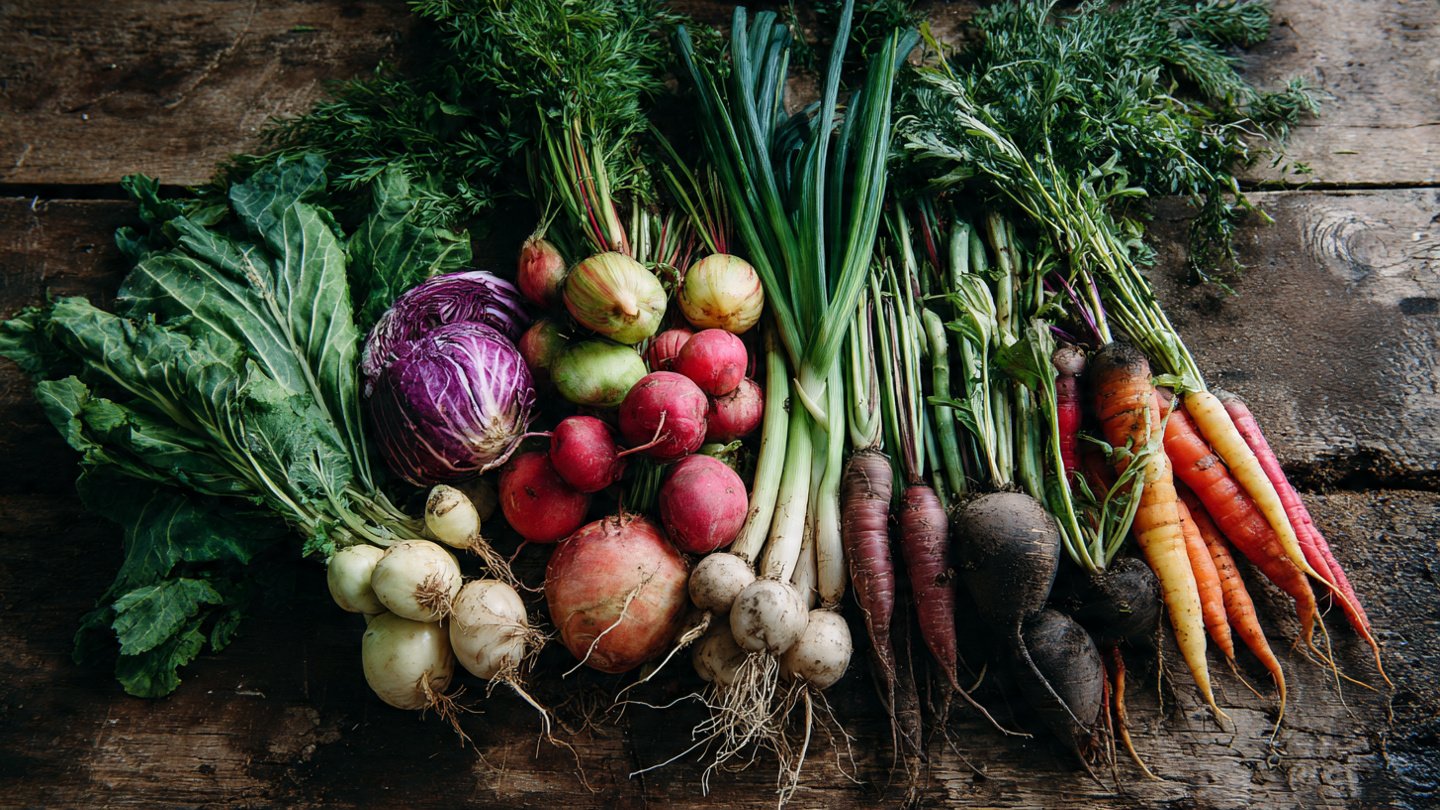
For many people, growing fresh vegetables seems impossible without a backyard garden. But what if you could enjoy homegrown vegetables without owning land, digging soil, or even tending to traditional beds? The truth is, with a few clever methods, it’s entirely possible to grow nutritious, fresh vegetables with minimal effort—even if all you have is a balcony, windowsill, or small urban space.
Here’s how I manage to have fresh vegetables to eat year-round—without a traditional garden.
The Concept: Effortless Vegetable Growing
When I say “without doing anything,” I don’t mean magic. I mean low-maintenance, self-sustaining methods that produce food reliably. The key is combining:
- Smart container setups
- Minimal watering systems
- Easy-to-grow plant varieties
- Reuse and recycling techniques
The result? Fresh vegetables that practically grow themselves.
Method 1: Container Gardening for Busy People
Containers are the cornerstone of growing vegetables without land. Even a tiny balcony can support a thriving mini-garden.
Choosing the Right Containers
- Plastic pots or buckets (with drainage holes)
- Hanging baskets for leafy greens
- Fabric grow bags to encourage healthy root systems
What to Grow
Some vegetables are naturally low-maintenance:
- Leafy greens: lettuce, spinach, kale
- Herbs: basil, mint, parsley
- Small fruiting plants: cherry tomatoes, chili peppers
These plants grow well in limited soil and produce quickly, meaning less work for you.
Method 2: Self-Watering Systems
The hardest part of gardening is often remembering to water. Self-watering containers make this almost effortless.
How It Works
- Containers have a built-in water reservoir
- Plants absorb water as needed
- Reduces overwatering and soil drying
You can even DIY a self-watering setup using:
- Two buckets (one for soil, one for water)
- Wicks or capillary systems
- Recycled plastic bottles
With this system, vegetables thrive with minimal attention.
Method 3: Hydroponics – Soil-Free Growth
Hydroponics is a method where plants grow in water enriched with nutrients instead of soil. It’s ideal for urban spaces.
Advantages
- Plants grow faster
- No soil-borne pests or weeds
- Very little physical effort
Simple Setup
- A small container or tray
- Nutrient solution
- LED grow light or sunny window
- Floating net pots for the plants
Leafy greens and herbs grow exceptionally well in this method, giving you almost continuous harvests.
Method 4: Vertical Gardening
Vertical gardening maximizes space while minimizing work. You don’t need a plot of land—just walls, fences, or shelves.
Options for Vertical Growing
- Hanging pockets for herbs and salad greens
- Stacked pots for tomatoes or peppers
- Trellises for climbing beans or peas
Vertical setups also make watering easier and reduce pests because plants are off the ground.
Method 5: Regrowing Kitchen Scraps
One of the easiest ways to have vegetables with almost zero effort is regrowing scraps. Many vegetables regrow from stems, roots, or leaves you would normally throw away.
Vegetables to Regrow
- Green onions – Place the white roots in water; new shoots appear in days
- Lettuce – Regrow from the base in a shallow dish
- Celery – Start with the base in water; new stalks sprout
- Garlic – Plant cloves directly in a container and watch green shoots appear
This method uses what you already have in the kitchen, reducing costs and labor.
Method 6: Perennial Vegetables
Perennial vegetables regrow year after year with minimal effort, meaning you plant once and harvest multiple seasons.
Easy Perennials for Urban Spaces
- Asparagus – Takes a year to establish, then produces for decades
- Sorrel – Hardy leafy green that returns each year
- Chives – Come back every spring with little care
By focusing on perennials, I spend far less time planting each season.
Method 7: Companion Planting for Low Maintenance
Companion planting reduces pests and improves yield naturally, minimizing the need for pesticides or constant monitoring.
Examples
- Basil near tomatoes to repel insects
- Marigolds among leafy greens to deter aphids
- Beans with corn to improve soil fertility naturally
These plant relationships help vegetables thrive with almost zero extra work.
Method 8: Mulching and Minimal Weed Control
Mulch keeps soil moist, reduces weeds, and saves time. Even in containers, adding a layer of organic mulch like straw, shredded leaves, or coconut coir helps your plants grow effortlessly.
Method 9: Smart Seasonal Planning
By selecting the right vegetables for each season, you can reduce effort and maximize harvest:
- Spring: lettuce, spinach, radishes
- Summer: cherry tomatoes, peppers, beans
- Autumn/Winter: kale, chard, perennial herbs
This ensures vegetables grow quickly without constant intervention.
Method 10: Making It Truly “Hands-Off”
For the ultimate minimal-effort setup:
- Combine self-watering containers + perennial crops + vertical gardening
- Place in a sunny spot
- Use simple hydroponic trays or regrow scraps
- Harvest as needed
With this combination, vegetables grow almost automatically, and you can enjoy fresh produce daily without a traditional garden.
Benefits of Growing Vegetables Without Land
- Fresh, organic produce without buying
- Saves money on groceries
- Reduces carbon footprint
- Encourages sustainable living
- Requires minimal physical effort
Even in small apartments or urban settings, this approach can feed a family small but meaningful amounts of fresh vegetables year-round.
Final Thoughts
Not having a garden doesn’t mean you can’t enjoy homegrown vegetables. By using containers, self-watering systems, vertical gardening, hydroponics, and regrowing scraps, I’ve created a system that produces food with minimal effort.
With a little planning and smart techniques, anyone—even those without land—can enjoy the satisfaction and health benefits of fresh vegetables, without the heavy lifting or constant attention a traditional garden requires.
It’s truly possible to have vegetables to eat without doing much at all—and the best part is, once set up, this system grows almost automatically.