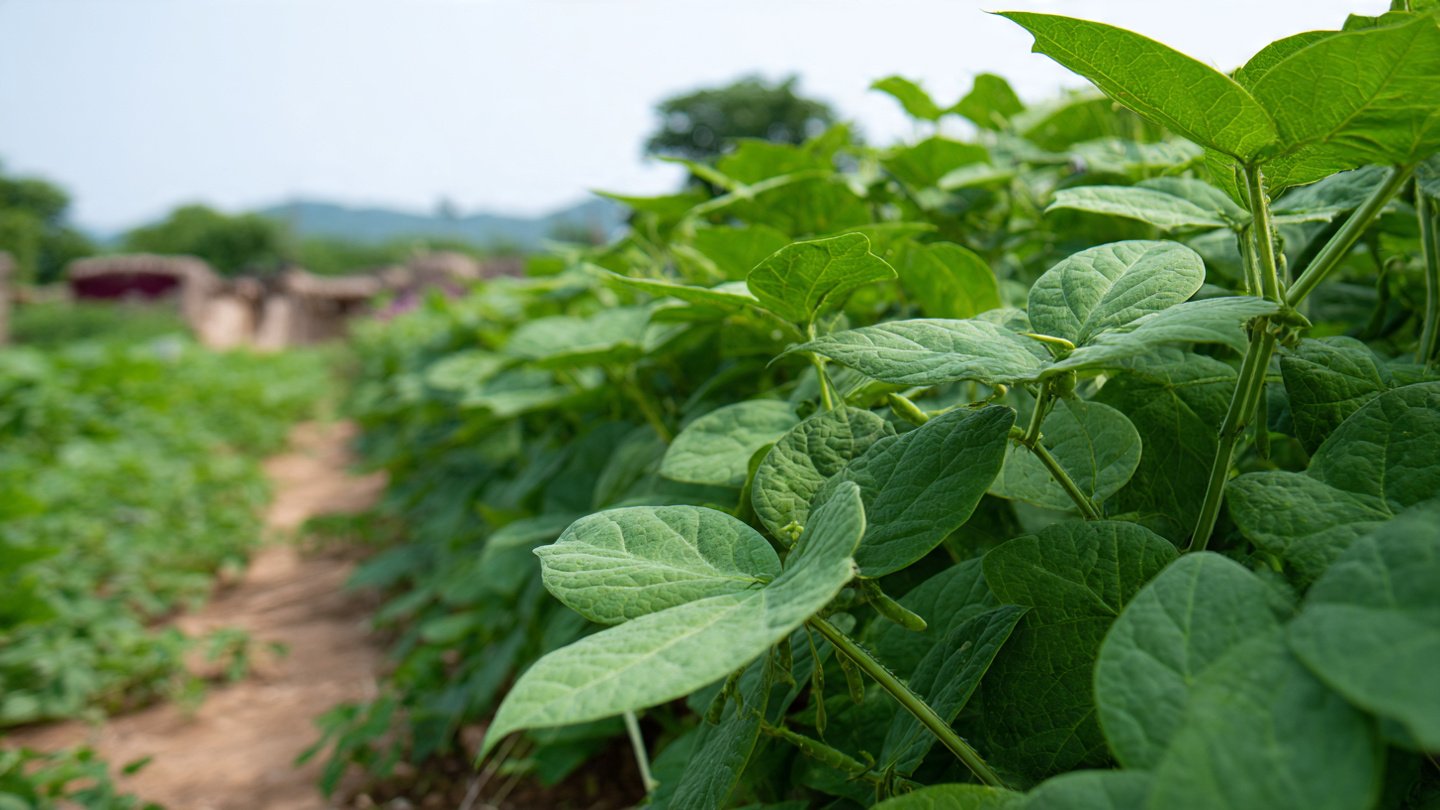
Cowpeas, also known as black-eyed peas, are one of the easiest legumes to grow and one of the most rewarding. Nutritious, drought-tolerant, and highly productive, cowpeas are perfect for both beginner and experienced gardeners. What’s more impressive is that, with the right setup, you can enjoy a high-yield cowpea garden with minimal effort—almost a “no-care” system.
In this guide, we’ll explore how to create a cowpea garden that thrives naturally, producing abundant pods without constant attention. From soil preparation to harvesting, you’ll learn everything needed to achieve your dream cowpea garden.
Why Cowpeas Are Ideal for Low-Maintenance Gardening
Cowpeas are known for their resilience and adaptability. Here’s why they make low-care gardening possible:
- Drought tolerance: Cowpeas thrive even in dry conditions
- Pest and disease resistance: They naturally resist many common garden pests
- Soil improvement: As legumes, they fix nitrogen, enriching the soil for future crops
- Rapid growth: Most varieties mature in 60–90 days
- High yield potential: One plant can produce dozens of pods if cared for minimally
Because of these traits, cowpeas are an excellent choice for gardeners who want maximum results with minimal input.
Step 1: Choose the Right Cowpea Variety
Selecting the right variety is the first step toward a high-yield, low-maintenance garden.
Popular low-care cowpea varieties:
- Black-eyed peas: Compact, hardy, and high-yielding
- California Blackeye: Large pods, easy to harvest
- Red Ripper: Fast-growing, disease-resistant
- Iron and Clay: Excellent for hot climates
Tip: Choose varieties adapted to your local climate for the best performance.
Step 2: Select a Convenient Location
Cowpeas thrive in full sun and well-drained soil.
Location guidelines:
- Minimum 6–8 hours of direct sunlight
- Avoid waterlogged areas
- Ideal for garden beds, raised rows, or containers
Full sun encourages vigorous growth and early flowering, which translates into more pods.
Step 3: Prepare the Soil With Minimal Effort
Cowpeas are forgiving when it comes to soil, but a few simple steps ensure a productive garden.
Quick soil prep:
- Loosen soil to improve aeration
- Mix in a small amount of compost or organic matter
- Optional: Sprinkle a handful of ash or rock phosphate for added nutrients
Unlike many crops, cowpeas don’t need heavy fertilization, as they fix their own nitrogen.
Step 4: Planting Seeds the Easy Way
Cowpeas are best sown directly into the garden for minimal care.
Planting tips:
- Sow seeds 2–3 cm deep
- Space seeds 15–20 cm apart
- Leave 30–40 cm between rows
- Water lightly after sowing
Cowpeas germinate quickly, usually within 5–10 days, even without constant attention.
Step 5: Mulch for Low-Maintenance Growth
Mulching is key to keeping cowpeas low-care.
Benefits of mulching:
- Retains soil moisture
- Suppresses weeds
- Keeps roots cool
- Reduces pest activity
Use straw, dried leaves, or grass clippings to cover the soil lightly after seedlings emerge. This simple step drastically reduces garden chores.
Step 6: Minimal Watering for Maximum Yield
Cowpeas are drought-tolerant, meaning you don’t need daily watering.
Watering guidelines:
- Water once or twice a week during dry spells
- Avoid overwatering, which can lead to root rot
- Rain-fed gardens usually thrive with no additional water
By letting cowpeas handle most of the water on their own, you save time and effort while still achieving high yields.
Step 7: Support or Let Them Trail Naturally
Cowpeas can grow as bush varieties or trailing vines.
Low-care options:
- Bush types: No support needed, easy to harvest
- Trailing types: Allow to sprawl on the ground or along a low trellis
By choosing bush varieties or letting vines trail naturally, you eliminate the need for constant staking and pruning.
Step 8: Natural Pest and Disease Management
Cowpeas resist most pests and diseases, making them ideal for a low-maintenance garden.
Common issues:
- Aphids: Rarely a problem in healthy gardens
- Leaf spots: Minimal impact, usually self-limiting
Low-care prevention:
- Ensure proper spacing for airflow
- Use mulch to reduce soil-borne fungi
- Encourage beneficial insects like ladybugs
Often, a small natural pest population doesn’t reduce yield, allowing you to focus on harvesting rather than spraying.
Step 9: Continuous Harvest Strategy
Cowpeas produce pods continuously if you harvest regularly.
Harvest tips:
- Start picking pods when they’re plump but still tender
- Remove mature pods to encourage new growth
- Harvest every few days for maximum productivity
Regular harvesting reduces plant stress and promotes longer production.
Step 10: Easy Soil Renewal for Next Planting
After harvesting, cowpeas leave behind enriched soil thanks to nitrogen fixation.
Benefits:
- Minimal soil preparation needed for the next crop
- No heavy fertilization required
- Can plant successive crops without exhausting soil nutrients
This self-renewing soil cycle makes the garden almost “no-care” year after year.
Why This Method Works
By combining hardy cowpea varieties, minimal watering, mulching, and natural pest resistance, you can maintain a dream garden with little effort. The plants do most of the work themselves, while you enjoy:
- High-quality, nutritious beans
- Abundant harvests with few chores
- Reduced reliance on chemicals or constant attention
This is perfect for beginners, busy gardeners, or anyone who wants a productive garden without a lot of maintenance.
Extra Tips for Maximum Success
- Plant in early rainy or mild seasons for faster germination
- Use companion plants like corn or squash to create natural shade
- Keep garden area clean to prevent opportunistic weeds
- Rotate crops yearly to prevent soil depletion
Small additional steps enhance yields while keeping care minimal.
Final Thoughts
Cowpeas prove that gardening doesn’t have to be complicated. By choosing the right variety, planting in good soil, mulching, and harvesting regularly, you can enjoy a high-yield, low-maintenance cowpea garden that feeds your family for months.
The best part? You don’t have to spend hours tending to the garden. With a few smart choices, your cowpeas practically grow themselves. Imagine walking out to a flourishing garden, picking fresh pods whenever you need them, all without stress or constant care.
With this method, achieving your dream cowpea garden is not only possible—it’s almost effortless.