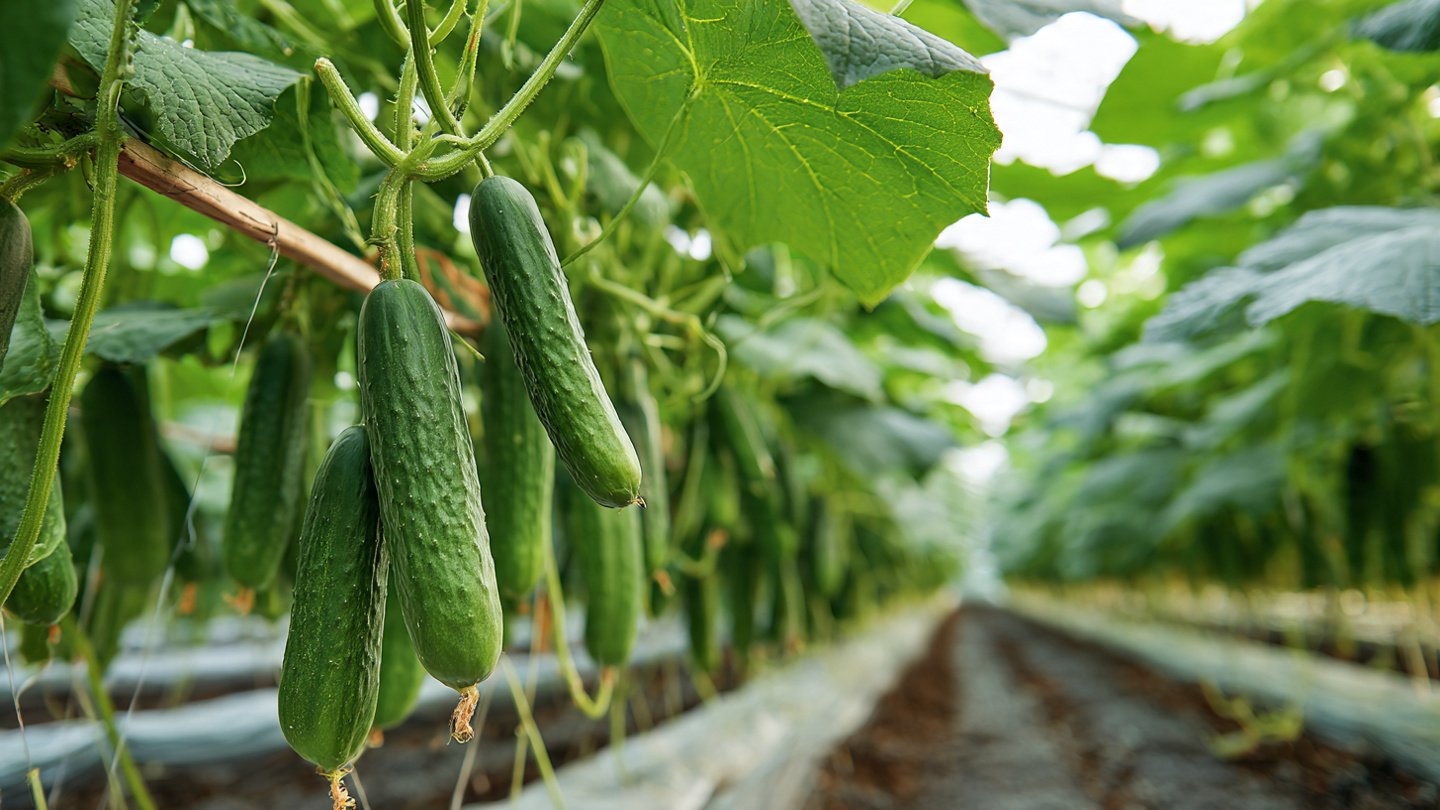
Cucumbers are one of the most rewarding vegetables to grow at home. Crisp, refreshing, and versatile, they are a staple in salads, pickles, and snacks. But many gardeners struggle to achieve a high yield and continuous harvest throughout the season. The truth is, one simple mistake can dramatically reduce your cucumber production—but it’s easily avoided with the right approach.
Whether you are a beginner or an experienced grower, understanding how to optimize cucumber growth can transform your garden. Here’s a comprehensive guide with expert tips for maximum cucumber production.
The Biggest Mistake That Reduces Cucumber Yield
Many gardeners unknowingly reduce their cucumber harvest by not supporting their plants properly. Cucumbers are vining plants that, left to sprawl on the ground, become prone to disease, pest damage, and reduced fruit quality.
Key problems caused by neglecting support:
- Fruits touch damp soil → higher risk of rot
- Limited airflow → increased fungal infections
- Plants compete for nutrients inefficiently
- Fruits may twist, deform, or grow slowly
The solution is simple: trellising or staking. This allows vines to climb, improves air circulation, and keeps fruits clean—resulting in larger, healthier cucumbers and a longer harvest.
Choosing the Right Cucumber Variety
Selecting the right variety is critical for both high yield and continuous harvest. Cucumbers generally fall into two categories:
- Slicing Cucumbers – Ideal for fresh salads; produce long, crisp fruits
- Pickling Cucumbers – Smaller fruits; often more prolific for canning
Tips for variety selection:
- Choose disease-resistant varieties
- Opt for parthenocarpic varieties if growing indoors (they set fruit without pollination)
- Pick varieties suited to your climate for consistent growth
The right choice sets the foundation for maximum production.
Soil Preparation for Maximum Yield
Cucumbers are heavy feeders and thrive in rich, well-draining soil. Neglecting soil preparation can limit fruit size and quantity.
Steps for preparing the soil:
- Mix compost or well-rotted manure to enrich nutrients
- Ensure pH is slightly acidic to neutral (6.0–7.0)
- Add sand or coco coir for improved drainage
- Mulch around plants to retain moisture and reduce weeds
Healthy soil encourages strong roots and vigorous vines.
Proper Planting Techniques
Cucumber plants grow best when given enough space and sunlight.
Planting tips:
- Space seeds or seedlings 12–24 inches apart for bush varieties, 36 inches for vining types
- Ensure full sun (6–8 hours daily)
- Plant after all risk of frost has passed
- Consider companion planting with beans, radish, or marigold to enhance growth and repel pests
Correct spacing reduces competition and encourages a continuous fruit set.
Watering and Fertilization for Continuous Production
Cucumbers require consistent moisture to develop large, tender fruits. Irregular watering can cause bitter or misshapen cucumbers.
Watering tips:
- Deep, even watering 2–3 times per week
- Avoid wetting leaves; use drip irrigation or water at the base
- Mulch to retain soil moisture
Fertilization tips:
- Apply balanced fertilizer (N-P-K) every 3–4 weeks
- Side-dress with compost or organic fertilizer for long-term nutrients
- Avoid excessive nitrogen, which encourages leafy growth over fruit development
A well-fed and hydrated plant produces more flowers, translating into more cucumbers.
Pruning and Training Vines
Vining cucumbers need regular attention to maximize yield and keep the harvest continuous.
Expert pruning tips:
- Remove lateral shoots after 2–3 leaves to focus energy on fruit production
- Cut off old or yellowing leaves to prevent disease
- Train main vines onto a trellis or support
- Pick fruits regularly to encourage the plant to produce more
Proper pruning ensures the plant focuses on fruit rather than excessive foliage.
Pollination for High Yield
Cucumbers rely on pollinators like bees to set fruit. Poor pollination can reduce yield significantly.
Tips for better pollination:
- Grow flowers nearby to attract pollinators
- Hand-pollinate indoors or in areas with few bees using a soft brush
- Avoid pesticides during flowering
Ensuring flowers are pollinated consistently maintains a continuous harvest throughout the season.
Pest and Disease Management
Healthy plants are productive plants. Pests and diseases are major reasons cucumber yields decline.
Common issues:
- Powdery mildew
- Aphids and whiteflies
- Cucumber beetles
- Root rot
Prevention strategies:
- Use well-drained soil and avoid overcrowding
- Apply neem oil or organic insecticidal soap if necessary
- Remove infected leaves promptly
- Rotate crops yearly to prevent soil-borne diseases
A proactive approach keeps vines healthy and productive.
Harvesting for Maximum Production
When you harvest cucumbers promptly, the plant continues producing.
Harvest tips:
- Pick fruits when they reach desired size (usually 6–8 inches for slicers)
- Harvest every 2–3 days to encourage new growth
- Avoid letting cucumbers overripen on the vine
Frequent harvesting prevents stress on the plant and ensures consistent yield.
Additional Expert Tips for Continuous Harvest
- Use vertical space: Trellises save ground space and increase airflow.
- Succession planting: Plant a few new seeds every 2–3 weeks for continuous fruiting.
- Temperature management: Cucumbers grow best in warm conditions; cover plants if cold snaps occur.
- Rotate crops: Avoid planting cucumbers in the same spot year after year to reduce disease risk.
- Monitor growth: Regularly check vines for stress, pests, or nutrient deficiencies.
Following these strategies can turn a modest garden into a cucumber-producing powerhouse.
Final Thoughts
Achieving high yield and continuous cucumber harvests is entirely possible with attention to detail, proper support, and smart planting techniques. The biggest mistake—allowing vines to sprawl unstructured—can easily be corrected with trellising, pruning, and frequent harvesting.
By choosing the right variety, preparing nutrient-rich soil, watering consistently, and managing vines properly, you can enjoy fresh cucumbers throughout the growing season. Even beginners can see impressive results with minimal effort.
Cucumbers are not only delicious but also rewarding to grow. With the right care, patience, and attention, your garden can produce a continuous supply of crisp, healthy cucumbers for months—delivering both satisfaction and nutrition straight from your backyard.