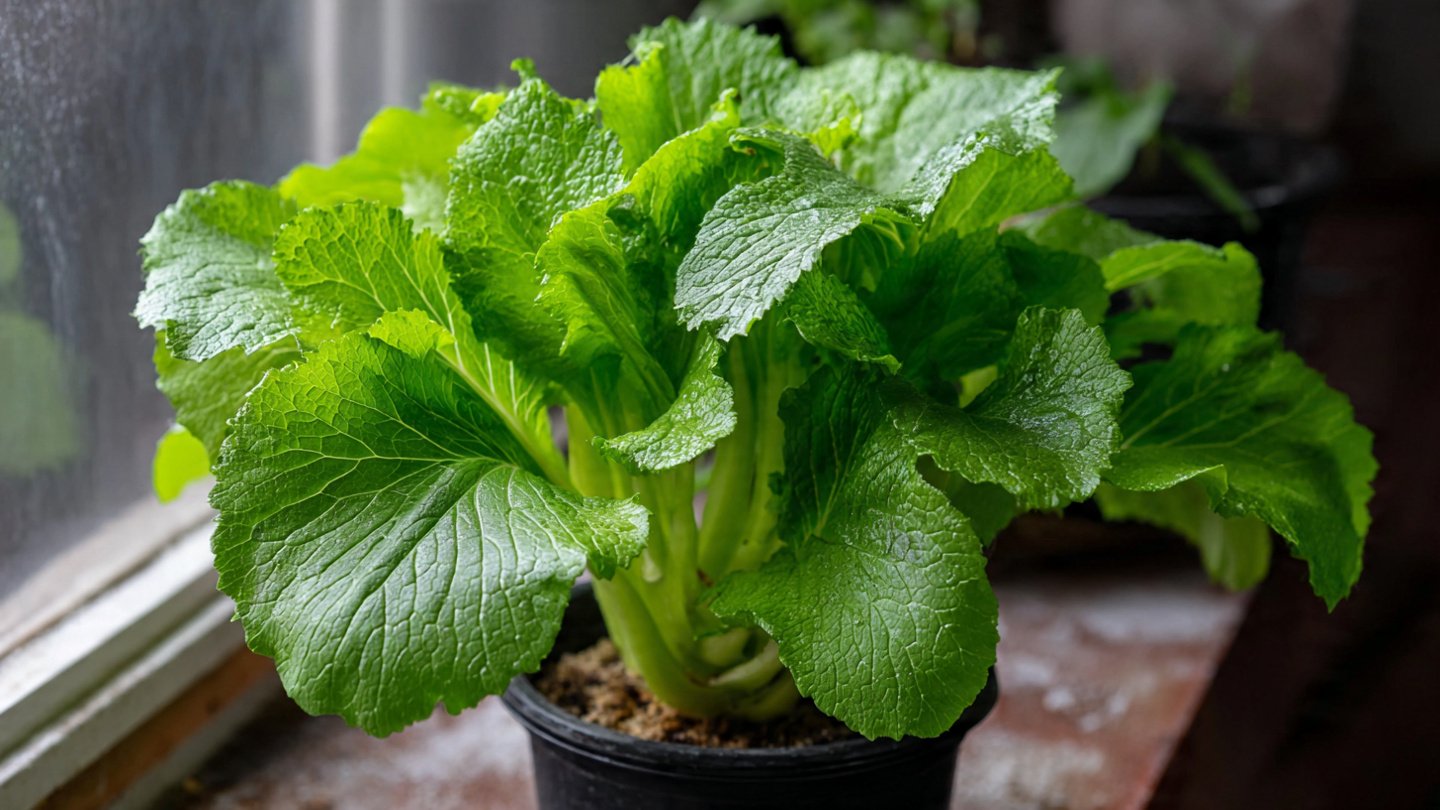
Chinese mustard greens are fast-growing, flavorful, and incredibly nutritious, yet they’re often overlooked by home gardeners. I’ve grown leafy greens for years, but I always assumed mustard greens were either too fussy or too bitter to be worth the effort. That assumption changed completely when I tried what turned out to be the easiest growing method I’ve ever used.
No complicated setup. No fancy tools. Just a simple approach that delivered tender leaves, quick harvests, and almost zero problems. If you’ve struggled with leafy greens—or never tried Chinese mustard greens before—this method might surprise you as much as it surprised me.
Why Chinese Mustard Greens Are Worth Growing
Chinese mustard greens are prized for their bold flavor, quick maturity, and impressive health benefits. Rich in vitamins A, C, and K, they’re a staple in many Asian dishes and work beautifully in stir-fries, soups, and salads.
What makes them especially appealing for home gardeners is how fast they grow. Some varieties are ready to harvest in as little as 30–40 days, making them perfect for impatient gardeners or anyone wanting quick results.
The Mistake Most Gardeners Make
The biggest mistake I used to make with mustard greens was treating them like slow-growing vegetables. I overprepared, overwatered, and overcomplicated everything. In reality, these plants thrive when conditions are simple and stress-free.
Chinese mustard greens don’t want rich, heavy soil or constant attention. They want loose soil, consistent moisture, and mild temperatures. Once I stopped trying too hard, the plants took off.
The Easiest Method: Direct Sowing in Shallow Containers or Beds
The easiest method I’ve ever tried is direct sowing seeds in shallow containers or raised beds—no transplanting, no seed trays, no fuss.
Instead of starting seeds indoors, I sowed them directly where they would grow. This eliminated transplant shock completely and allowed the plants to grow faster and more evenly.
All you need is:
- A shallow container or garden bed (6–8 inches deep)
- Loose, well-draining soil
- A sunny or partially shaded spot
That’s it.
Soil Prep That Takes Minutes, Not Hours
Chinese mustard greens don’t need heavily amended soil. In fact, overly rich soil can lead to excessive leaf growth with reduced flavor.
I used a simple mix:
- Regular garden soil or potting mix
- A small amount of compost
- A handful of sand or coco coir for drainage
The goal is loose, airy soil—not dense or compacted. I skipped fertilizers entirely at the beginning, and the plants still grew vigorously.
Planting the Seeds the Easy Way
Mustard green seeds are small but forgiving. I sprinkled them lightly over the soil surface and covered them with a thin layer of soil—no more than ¼ inch.
After watering gently, I left them alone. Within 4–7 days, seedlings appeared. No heat mats, no grow lights, no constant monitoring.
This hands-off approach made a noticeable difference in seedling strength.
Sunlight: Less Than You Think
One surprising discovery was how well Chinese mustard greens grew with partial sunlight. While full sun is great, these greens actually prefer cooler conditions and tolerate light shade very well.
In warmer climates, afternoon shade prevents leaves from becoming too spicy or bitter. This makes them ideal for balconies, patios, and small urban spaces.
Watering Without Overthinking It
I stopped following strict watering schedules and switched to a simple rule:
Water when the top inch of soil feels dry.
Mustard greens like consistent moisture, but soggy soil causes problems quickly. Light, frequent watering worked far better than heavy soaking.
Mulching with dry leaves or straw helped retain moisture and reduced watering even more.
No-Fuss Thinning for Better Leaves
Once seedlings reached about 2–3 inches tall, I thinned them gently. Instead of pulling extras and discarding them, I harvested the thinnings as baby greens.
This method served two purposes:
- Gave remaining plants room to grow
- Provided an early harvest
Spacing plants about 6 inches apart resulted in larger, healthier leaves.
Zero Fertilizer, Big Results
Here’s what shocked me most: I didn’t fertilize at all during the first few weeks—and the plants still thrived.
Chinese mustard greens are light feeders. Too much nitrogen actually makes them bitter. A small compost top-up halfway through the growing cycle was more than enough.
Sometimes, less really is more.
Harvesting the Endless Way
Instead of harvesting entire plants, I used the cut-and-come-again method. I trimmed outer leaves while leaving the center intact.
This encouraged continuous growth and allowed me to harvest from the same plants for weeks. The leaves stayed tender, and the plants never seemed stressed.
Frequent harvesting actually improved flavor and prevented bolting.
Why This Method Works So Well
This easy approach works because it matches how Chinese mustard greens naturally grow:
- No root disturbance
- Mild temperatures
- Loose soil
- Minimal feeding
By avoiding transplanting and heavy inputs, the plants grow faster, healthier, and with fewer problems.
It’s ideal for beginners, busy gardeners, and anyone who wants fast results without effort.
Perfect for Small Spaces and Urban Gardens
This method shines in small spaces. Shallow containers, window boxes, and raised beds all work beautifully. Because mustard greens grow quickly and don’t need deep soil, they’re perfect for apartment gardeners.
You can even grow multiple batches back-to-back for continuous harvests throughout the season.
Final Thoughts: Why I’ll Never Grow Them Any Other Way
After trying this method, I realized how unnecessary complexity had been holding me back. Chinese mustard greens don’t demand perfection—they reward simplicity.
With direct sowing, light care, and smart harvesting, you can grow fresh, flavorful greens faster than almost any other vegetable. Once you try this approach, it’s hard to go back.
Sometimes the easiest way truly is the best way.