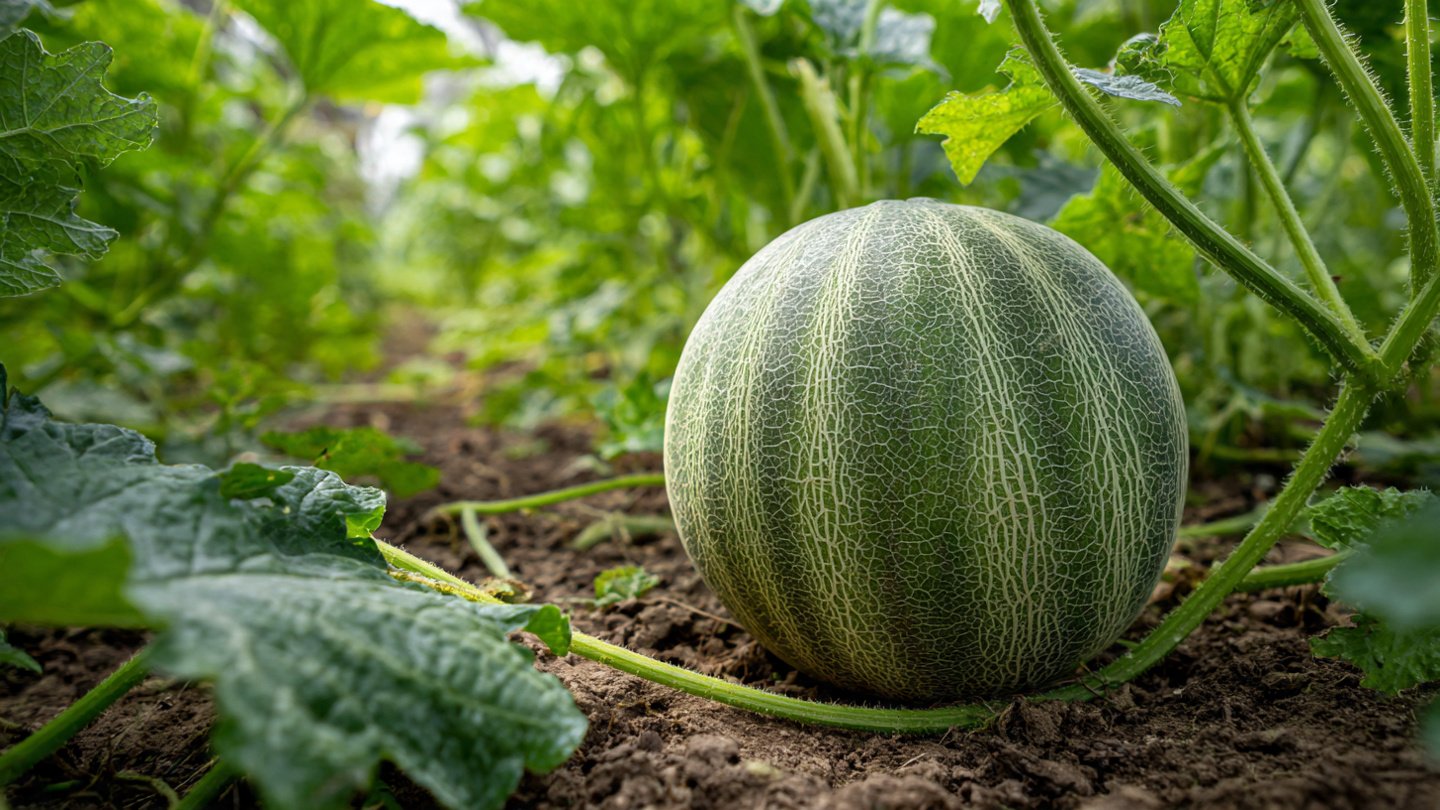
Growing melons is often seen as a challenge. Many gardeners struggle with weak vines, small fruits, or disappointing harvests despite plenty of sunshine and care. I faced the same frustration—until I discovered a little-known growing method that completely changed the outcome. The result? Larger melons, stronger vines, and yields that far exceeded my expectations.
In this article, I’ll share exactly what this method involves, why it works so well, and how you can use it to grow bigger, sweeter melons with far less guesswork.
Why Melon Plants Often Fail to Deliver
Melons are heavy feeders with long growing seasons, yet they’re often treated like low-maintenance crops. Common problems include:
- Shallow or compacted soil
- Excess vine growth but few fruits
- Poor pollination
- Inconsistent watering
- Nutrient imbalance
When even one of these factors is off, melon plants focus on survival instead of fruit production. The key to success lies in understanding how melons naturally grow and adjusting your methods accordingly.
The Little-Known Method That Changed Everything
The breakthrough method focuses on deep-root support, controlled vine growth, and fruit-focused nutrition. Instead of letting melon vines sprawl randomly across the ground, this approach encourages strong root systems and directs the plant’s energy toward fewer, larger fruits.
This method revolves around four powerful principles:
- Deep soil preparation
- Strategic pruning and vine control
- Consistent deep watering
- Nutrient timing for fruit development
Together, these steps dramatically improve both fruit size and overall yield.
Step 1: Build Deep, Rich Soil Before Planting
Melons develop extensive root systems that need depth and loose structure. Instead of planting in flat soil, create raised beds or mounds at least 12–15 inches deep.
Mix the soil with:
- Well-rotted compost
- Garden soil
- A small amount of sand or coco peat
This combination improves drainage while holding enough moisture for steady growth. Deep soil allows roots to access nutrients consistently, even during hot weather, reducing stress and improving fruit quality.
Step 2: Plant with Space and Purpose
Overcrowding is one of the biggest yield killers. Melon plants need room for air circulation and sunlight penetration.
Plant seeds or seedlings with generous spacing—usually 2 to 3 feet apart depending on variety. Proper spacing reduces disease risk and ensures each plant has access to enough nutrients and moisture.
Early on, strong spacing encourages healthier vines that can support larger fruits later in the season.
Step 3: Train and Control the Vines
This is where the method truly differs from traditional melon growing.
Instead of letting vines grow endlessly, gently guide and limit their growth. Once the main vine reaches a healthy length, pinch the growing tip. This forces the plant to produce side shoots, which are more likely to develop female flowers—the ones that turn into melons.
By controlling vine length, the plant shifts energy from vine expansion to fruit development.
Step 4: Focus on Fewer Fruits for Bigger Size
One of the most surprising steps is deliberately limiting the number of fruits per plant. While it may feel counterintuitive, allowing too many melons to develop at once results in smaller, less flavorful fruits.
Once fruits begin to form, keep only the healthiest 3–5 per plant and remove the rest. This concentrates nutrients into fewer melons, leading to dramatic size and sweetness improvements.
Supporting fruits with straw, mulch, or slings prevents rot and improves shape.
Step 5: Water Deeply and Consistently
Melons hate stress, especially water stress. Shallow or irregular watering causes cracked fruits and poor sweetness.
Water deeply every 2–3 days so moisture reaches deep into the soil. Allow the top layer to dry slightly between watering sessions. Mulching heavily around plants helps maintain even moisture and keeps soil temperatures stable.
As fruits near maturity, slightly reduce watering to improve sweetness and flavor concentration.
Step 6: Feed at the Right Time
Fertilizing melons isn’t about feeding more—it’s about feeding smarter.
Early growth benefits from balanced nutrients, but once flowering begins, reduce nitrogen and increase potassium and phosphorus. This encourages flowering, fruit set, and sugar development rather than excessive leaf growth.
Organic compost teas, diluted liquid feeds, or natural mineral sources applied every 10–14 days work exceptionally well.
Step 7: Improve Pollination Naturally
Poor pollination is another reason melons fail to set fruit. Encourage beneficial insects by avoiding chemical sprays and planting flowering companions nearby.
Hand-pollination can also dramatically increase success. Gently transfer pollen from male flowers to female flowers using a small brush or cotton swab, especially during periods of low insect activity.
Better pollination means better fruit shape and higher yields.
Step 8: Protect and Support Growing Melons
As melons grow larger, support becomes essential. Place straw, wood boards, or fabric slings under developing fruits to prevent contact with wet soil.
This improves air circulation, reduces rot, and helps fruits develop evenly. Supporting fruits also allows vines to stay healthier longer, extending the harvest period.
The Results: Bigger Melons, Better Flavor, More Harvest
Using this method, the transformation was undeniable:
- Melons grew noticeably larger
- Fruits were sweeter and more aromatic
- Plants stayed productive longer
- Harvests were heavier and more consistent
Instead of dozens of small melons, I harvested fewer—but far superior—fruits that tasted better and stored longer.
Common Mistakes to Avoid
To get the best results, avoid these pitfalls:
- Letting vines sprawl uncontrollably
- Overwatering late in the season
- Feeding too much nitrogen
- Ignoring fruit thinning
- Planting in shallow or compacted soil
Correcting even one of these issues can improve yield—but combining them creates outstanding results.
Why This Method Works
This approach aligns with how melon plants naturally prioritize survival and reproduction. By reducing stress, guiding growth, and focusing energy into fruit development, you allow the plant to reach its full potential.
The method doesn’t rely on chemicals or expensive tools—just thoughtful timing and simple adjustments.
Final Thoughts
I never expected such dramatic improvements from such straightforward changes. This little-known melon-growing method transformed weak vines into productive powerhouses and turned average harvests into something truly impressive.
If you’ve struggled with small melons or low yields, this approach could completely change your growing experience. Once you bite into a large, sweet, homegrown melon, you’ll understand why this method is worth trying.