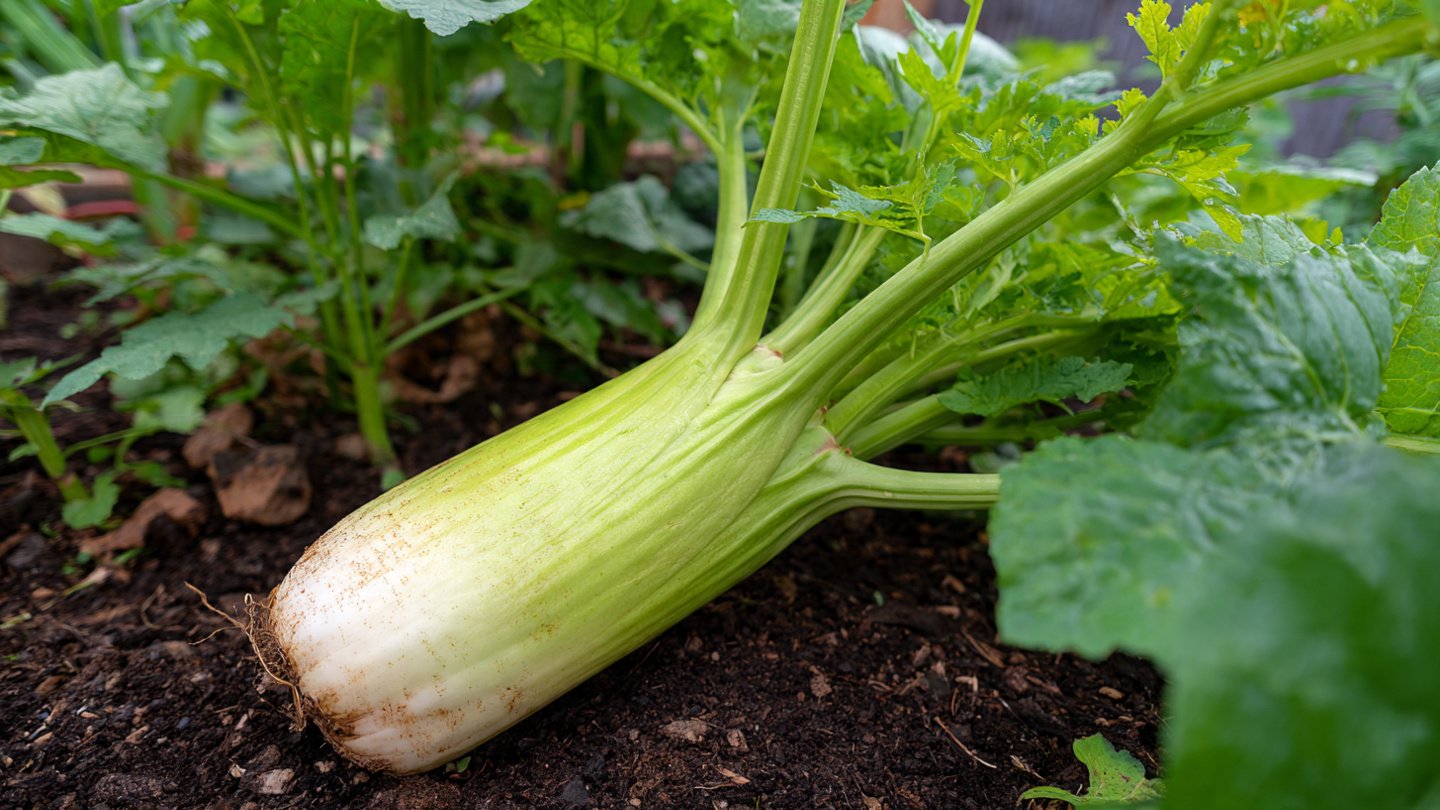
If you want to grow a vegetable that turns heads, fills your garden with lush greenery, and delivers incredible flavor in the kitchen, look no further than giant-stemmed celery. Often overlooked in home gardens, celery is one of the most dramatic and rewarding vegetables you can grow. With thick, crunchy stalks and a towering presence, it’s guaranteed to impress visitors while providing a steady harvest for soups, salads, and snacks.
Despite its reputation as “difficult,” celery is surprisingly manageable when you understand its needs. With the right approach, you can grow spectacular, oversized stems that rival—or even surpass—store-bought celery in taste and texture.
Why This Giant-Stemmed Vegetable Deserves a Spot in Your Garden
Celery is more than just a garnish or soup ingredient. When grown well, it becomes a true garden centerpiece.
What Makes Celery So Impressive?
- Tall, lush growth with thick, juicy stalks
- Rich, fresh flavor far superior to supermarket celery
- Continuous harvest over a long season
- Visually striking plant that adds structure to the garden
It’s the perfect combination of beauty and practicality—ornamental enough to admire, yet delicious enough to harvest regularly.
Choosing the Right Celery Variety
Not all celery is created equal. Some varieties are bred specifically for large stems and vigorous growth.
Best Types for Giant Stems
- Self-blanching celery varieties
- Tall green-stem celery types
- Heirloom varieties known for thick stalks
Look for varieties described as “vigorous,” “large-stemmed,” or “high-yield” for the most dramatic results.
When to Plant for Maximum Growth
Celery has a long growing season, so timing is essential.
Ideal Planting Schedule
- Start seeds indoors 10–12 weeks before the last frost
- Transplant seedlings once temperatures stay consistently cool
- Celery thrives in mild weather and struggles in extreme heat
Early planning gives celery the long, steady growth period it needs to develop massive stems.
Soil Preparation: The Key to Giant Stalks
If there’s one secret to growing spectacular celery, it’s soil quality. Celery is a heavy feeder and demands rich, moisture-retentive soil.
Perfect Soil Conditions
- Deep, loose soil rich in organic matter
- Plenty of compost or well-rotted manure
- Consistent moisture without waterlogging
Poor soil leads to thin, stringy stalks, while rich soil produces thick, crunchy stems.
Spacing Matters More Than You Think
Crowding celery plants limits their size. To grow truly giant stems, each plant needs room to spread.
Recommended Spacing
- 10–12 inches between plants
- 18–24 inches between rows
Proper spacing improves airflow, reduces disease, and allows stalks to thicken fully.
Watering for Juicy, Tender Stems
Celery is extremely sensitive to drought stress. Even brief dry periods can result in tough, bitter stalks.
Smart Watering Tips
- Water deeply and consistently
- Keep soil evenly moist at all times
- Mulch heavily to retain moisture
Never allow celery to dry out—steady hydration is essential for tender, impressive stems.
Feeding Celery for Spectacular Results
Because celery grows fast and produces a lot of biomass, it needs regular feeding.
Fertilizing Strategy
- Apply compost tea or liquid fertilizer every 2–3 weeks
- Focus on nitrogen during early growth
- Switch to balanced feeding as stalks thicken
Consistent nutrition is what transforms average celery into a giant-stemmed showstopper.
Blanching: The Trick for Pale, Tender Stems
Blanching is what gives celery its classic light color and mild flavor.
How to Blanch Celery
- Gently wrap stalks with cardboard, paper, or soil
- Start blanching 2–3 weeks before harvest
- Keep leaves exposed to sunlight
Blanching reduces bitterness and improves texture, making the celery sweeter and more tender.
Pest and Disease Management
Healthy celery is less prone to problems, but a few issues can arise.
Common Challenges
- Aphids
- Leaf miners
- Slugs
Natural Control Tips
- Encourage beneficial insects
- Use neem oil or insecticidal soap if needed
- Keep plants well-spaced and well-watered
Prevention through proper care is far easier than treating problems later.
Harvesting Giant-Stemmed Celery the Right Way
One of the joys of growing celery is harvesting it fresh, exactly when you need it.
How to Harvest
- Harvest outer stalks first for continuous growth
- Cut stalks at the base with a sharp knife
- Harvest whole plants when fully mature
Freshly harvested celery is crisp, aromatic, and packed with flavor.
How Big Can Celery Really Get?
With good care, celery plants can reach:
- 2–3 feet tall
- Thick, solid stems
- Harvest weights far exceeding store-bought bunches
Few vegetables offer such dramatic growth from a single plant.
Why This Vegetable Is Worth the Effort
While celery requires attention, the rewards are unmatched.
- Stunning garden presence
- Exceptional flavor
- Long harvest window
- Excellent value for space used
Once you’ve grown your own giant-stemmed celery, it’s hard to go back to bland supermarket versions.
Final Thoughts: A Vegetable That Truly Impresses
If you want a vegetable that combines size, beauty, and incredible taste, giant-stemmed celery is hard to beat. With rich soil, consistent watering, and regular feeding, this spectacular plant will reward you with thick, crunchy stalks and a garden display that stops people in their tracks.
Growing celery isn’t just about food—it’s about creating something impressive, productive, and deeply satisfying. Give it the care it deserves, and it will become one of the most memorable vegetables you’ve ever grown.