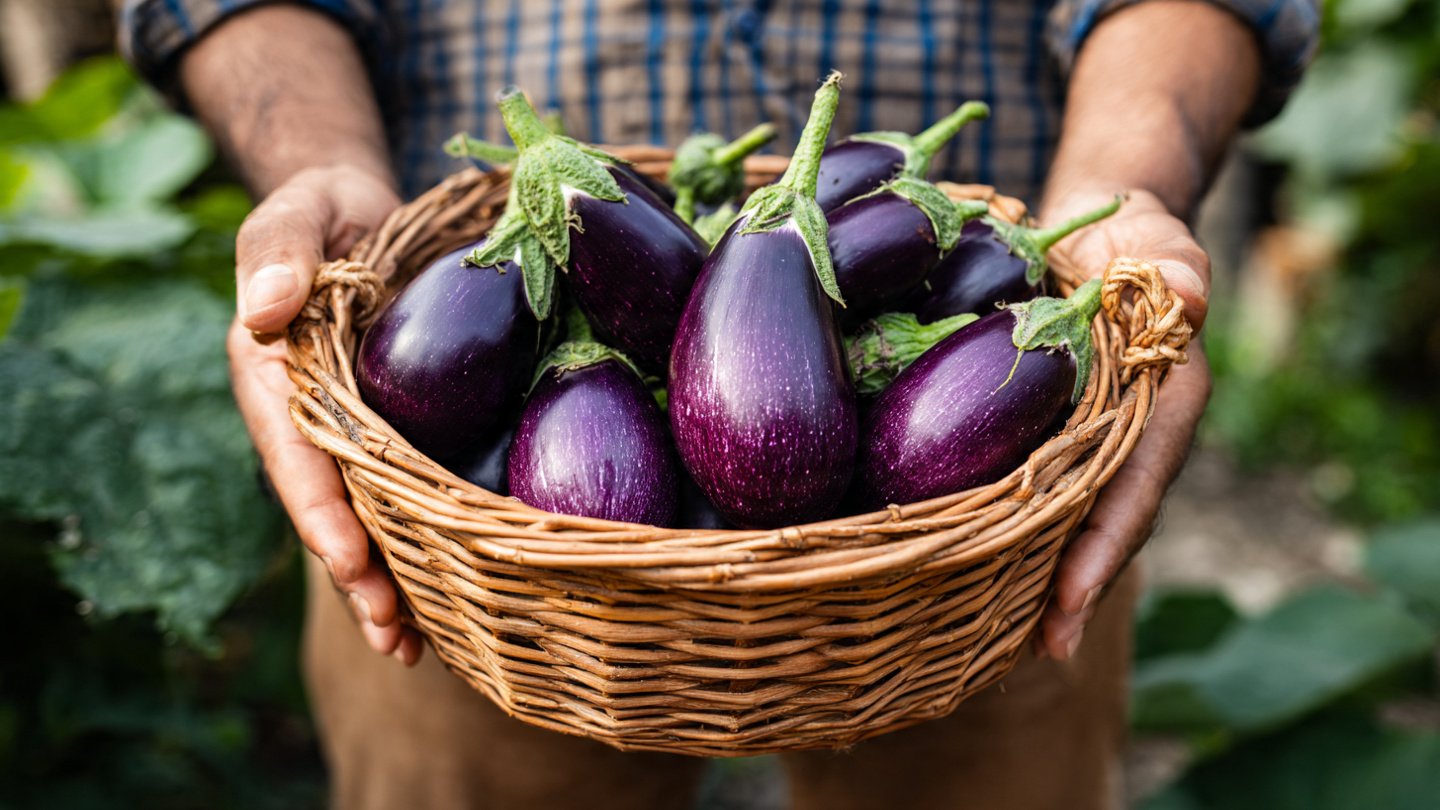
Eggplant is one of the most rewarding vegetables you can grow at home. When cared for properly, a single plant can produce fruit continuously for months, delivering glossy, flavorful eggplants straight from your garden to your kitchen. Many gardeners don’t realize just how productive eggplant can be—yet with the right approach, it truly offers endless harvests with surprisingly little effort.
Whether you’re gardening in the ground, raised beds, or containers, this ultimate guide will show you how to grow eggplant easily and achieve consistently high yields all season long.
Why Eggplant Is Perfect for Home Growing
Eggplant thrives in warm conditions, grows quickly, and responds generously to good care. Unlike some vegetables that produce only once, eggplant keeps flowering and fruiting when harvested regularly. This makes it ideal for gardeners who want continuous results from a small space.
In addition to its productivity, eggplant is rich in fiber, antioxidants, and vitamins. Homegrown eggplants are also less bitter and more tender than store-bought ones, especially when harvested young.
Choosing the Right Eggplant Variety
Success begins with selecting the right variety. Compact and hybrid varieties tend to produce more fruit and are better suited for home gardens and containers. Long, slender types mature faster, while round varieties are excellent for grilling and roasting.
If you live in a hot climate, look for heat-tolerant varieties. For shorter growing seasons, choose early-maturing types to ensure a full harvest before temperatures drop.
Starting Eggplant Seeds for Strong Plants
Eggplants love warmth, so starting seeds indoors gives them a valuable head start. Sow seeds 8–10 weeks before the last expected frost. Keep the soil warm and moist, as eggplant seeds germinate best in consistently warm conditions.
Once seedlings develop several true leaves and outdoor temperatures stay warm, harden them off gradually before transplanting. Strong, healthy seedlings lead directly to higher yields later on.
Soil Preparation: The Foundation of High Yield
Eggplants are heavy feeders and demand rich, well-draining soil. Loose soil encourages strong root development, which supports continuous flowering and fruiting.
Before planting, mix compost or well-rotted manure into the soil. A slightly acidic to neutral soil pH is ideal. If growing in containers, choose a high-quality potting mix enriched with organic matter.
Sunlight and Spacing for Maximum Production
Eggplant needs full sun—at least 6–8 hours daily—to produce abundantly. Without enough light, plants may grow leaves but produce few fruits.
Proper spacing is equally important. Crowded plants compete for nutrients and airflow, leading to smaller harvests and increased disease risk. Space plants generously so each one has room to grow and spread.
Watering the Right Way
Consistent watering is essential for smooth, healthy eggplants. Irregular watering can cause stress, leading to bitter fruit or blossom drop.
Water deeply when the top layer of soil feels dry, and avoid letting the soil completely dry out. Mulching around plants helps retain moisture, regulate soil temperature, and reduce watering frequency.
Feeding Eggplant for Endless Harvests
Regular feeding is one of the biggest secrets to continuous eggplant production. Because plants are constantly flowering and fruiting, they need a steady supply of nutrients.
Start with a balanced fertilizer early in the growing season. Once flowering begins, switch to a fertilizer higher in potassium to support fruit development. Feeding every two to three weeks keeps plants productive and healthy.
Pruning and Supporting Eggplant Plants
While eggplant doesn’t require heavy pruning, light trimming can boost yields. Remove damaged or overcrowded branches to improve airflow and direct energy toward fruit production.
As plants grow taller and heavier with fruit, staking or caging becomes essential. Supporting plants prevents branches from breaking and keeps fruit off the ground, reducing disease and pest issues.
Encouraging Continuous Flowering
Eggplant produces best when flowers are pollinated efficiently. Gently shaking plants or tapping flowers encourages pollination, especially in areas with low insect activity.
Harvesting fruit regularly also signals the plant to keep producing. Leaving overripe eggplants on the plant slows down new flower formation, so frequent harvesting is key to endless yields.
Natural Pest and Disease Management
Healthy eggplants are naturally resilient, but pests like aphids and beetles can sometimes appear. Inspect plants regularly and remove pests by hand when possible.
Using mulch, companion planting, and natural sprays can help keep problems under control. Avoid overwatering and overcrowding, as these conditions invite fungal diseases.
Container-Grown Eggplant: Big Yields in Small Spaces
Eggplant grows exceptionally well in containers, making it perfect for balconies, patios, and rooftops. Choose large containers with excellent drainage and place them in full sun.
Container-grown plants may need more frequent watering and feeding, but they often produce just as much—or more—than garden-grown plants due to controlled conditions.
Harvesting for Best Flavor and Productivity
Eggplants should be harvested while still glossy and firm. Younger fruits are sweeter, more tender, and encourage the plant to keep producing.
Use a sharp knife or pruning shears to cut fruit from the plant, leaving a short stem attached. Regular harvesting every few days keeps plants in continuous production mode.
Why Homegrown Eggplant Delivers Higher Yields
Growing eggplant at home allows you to control every aspect of its environment—from soil quality to watering and feeding. This level of care leads to healthier plants and significantly higher yields than commercial farming methods.
Once established, eggplant plants can produce fruit nonstop until temperatures drop. With consistent care, a few plants can supply an entire household throughout the growing season.
Final Thoughts: Easy, Endless, and Incredibly Rewarding
Eggplant proves that high-yield gardening doesn’t have to be complicated. With sunlight, rich soil, regular feeding, and timely harvesting, you can enjoy a steady stream of fresh eggplants for months.
Once you experience how productive and low-maintenance eggplant can be, it quickly earns a permanent spot in your garden. Few vegetables offer such a generous return with so little effort.