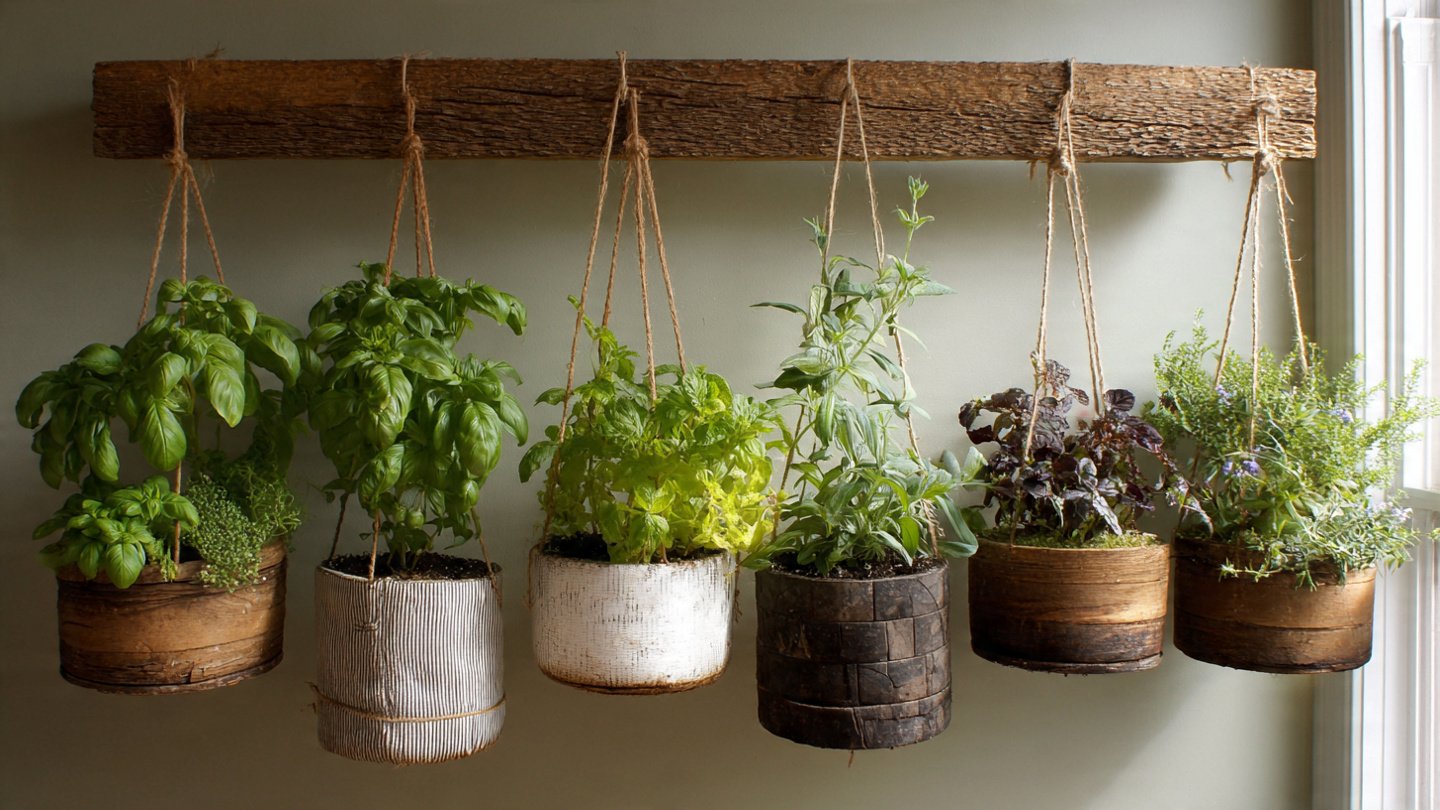
Limited space doesn’t mean limited greenery. Hanging gardens have become one of the smartest solutions for urban homes, apartments, balconies, and patios where floor space is scarce. By growing upward instead of outward, you can transform empty walls, railings, and ceilings into lush, productive green areas. Best of all, hanging gardens are easy to set up, budget-friendly, and incredibly effective for growing plants in small spaces.
Whether you want fresh herbs, leafy vegetables, or decorative plants, hanging gardens allow you to enjoy gardening without the need for a traditional backyard. Let’s explore why hanging gardens work so well and how you can create one that thrives.
Why Hanging Gardens Are Perfect for Small Spaces
Hanging gardens make use of vertical space that would otherwise go unused. Instead of crowding floors or balconies with pots, plants are suspended from hooks, rails, or wall-mounted systems.
Key advantages include:
- Ideal for apartments and small homes
- Keeps plants away from pests and pets
- Improves air circulation
- Easy to rearrange or move
- Adds instant visual appeal
Even a small balcony or window can become a green haven with the right hanging setup.
Easy Hanging Garden Ideas Anyone Can Try
You don’t need professional tools or expensive equipment to start a hanging garden. Many systems can be created using everyday items.
1. Hanging Pots and Baskets
Traditional hanging pots are the simplest option. Lightweight plastic or fiber baskets with drainage holes work best. They can be hung from balcony ceilings, pergolas, or sturdy hooks.
Great plants for hanging pots include:
- Herbs like mint, basil, and parsley
- Trailing plants like pothos and ivy
- Cherry tomatoes and strawberries
2. Vertical Bottle Gardens
Recycled plastic bottles make excellent hanging planters. They are inexpensive, lightweight, and customizable. Bottles can be hung vertically or horizontally along walls or railings.
This method is perfect for:
- Leafy greens
- Herbs
- Small flowering plants
It’s also a sustainable way to reuse household waste.
3. Wall-Mounted Hanging Systems
Wall-mounted planters or pocket-style fabric planters allow you to grow multiple plants in a compact area. These systems are ideal for balconies and indoor walls near windows.
They work well for:
- Lettuce and spinach
- Herbs
- Decorative foliage plants
Economical Gardening Without Compromising Results
One of the biggest advantages of hanging gardens is affordability. You don’t need to invest in raised beds or large pots.
Money-saving tips include:
- Reusing containers like buckets or bottles
- Using DIY hooks or ropes
- Starting plants from seeds instead of seedlings
- Making your own compost
With minimal investment, you can create a productive garden that continues to give returns.
Choosing the Right Plants for Hanging Gardens
Not all plants thrive in hanging conditions. The best choices are those with shallow roots or trailing growth habits.
Top plant options include:
- Herbs (mint, coriander, basil)
- Leafy vegetables (lettuce, spinach, arugula)
- Strawberries
- Small peppers
- Decorative trailing plants
Avoid heavy root vegetables unless using deep, well-supported containers.
Soil and Drainage: The Foundation of Success
Good soil is essential for hanging gardens because containers dry out faster than ground beds.
Use a light, well-draining potting mix that includes:
- Coco peat or peat moss
- Compost or organic matter
- Perlite or sand for drainage
Always ensure containers have drainage holes to prevent waterlogging and root rot.
Watering Tips for Hanging Gardens
Because hanging containers are exposed to air on all sides, they tend to dry out more quickly.
Smart watering practices include:
- Checking soil moisture daily in warm weather
- Watering early in the morning or evening
- Using self-watering planters if possible
- Grouping hanging plants together to retain humidity
Consistent watering leads to healthier plants and better growth.
Sunlight and Placement Matters
Before installing a hanging garden, observe how much sunlight your space receives.
General guidelines:
- Leafy greens need 4–6 hours of sunlight
- Herbs prefer bright, indirect light
- Flowering plants often need more sun
Balconies facing east or south are ideal, but many plants adapt well to partial shade.
Maintenance Made Simple
Hanging gardens are easier to maintain than traditional gardens when set up correctly.
Basic maintenance includes:
- Pruning trailing plants to encourage growth
- Removing dead or yellowing leaves
- Feeding plants with diluted fertilizer every 2–3 weeks
- Checking hooks and supports for safety
A few minutes of care each week keeps your garden thriving.
Common Mistakes to Avoid
Even simple hanging gardens can fail if a few key details are overlooked.
Avoid:
- Overloading hooks or weak supports
- Using heavy soil mixes
- Overcrowding plants
- Ignoring drainage
Correcting these issues early ensures long-term success.
Why Hanging Gardens Are Surprisingly Effective
Despite their small footprint, hanging gardens can be highly productive. By controlling soil quality, water, and light, plants often grow better in containers than in poor ground soil.
Benefits include:
- Faster growth
- Cleaner produce
- Fewer pests
- Easy harvesting
This makes hanging gardens not just decorative, but truly functional.
Final Thoughts
Great hanging gardens prove that you don’t need a large yard to grow plants successfully. By using vertical space wisely, choosing the right plants, and following simple care practices, even the smallest home can support a thriving garden.
Hanging gardens are easy to set up, economical to maintain, and highly effective for growing food and greenery in limited spaces. Whether you’re an apartment dweller, a beginner gardener, or someone looking to add more green to your home, hanging gardens offer a smart, stylish solution.
When space is limited, grow upward—and let your garden rise to the occasion.