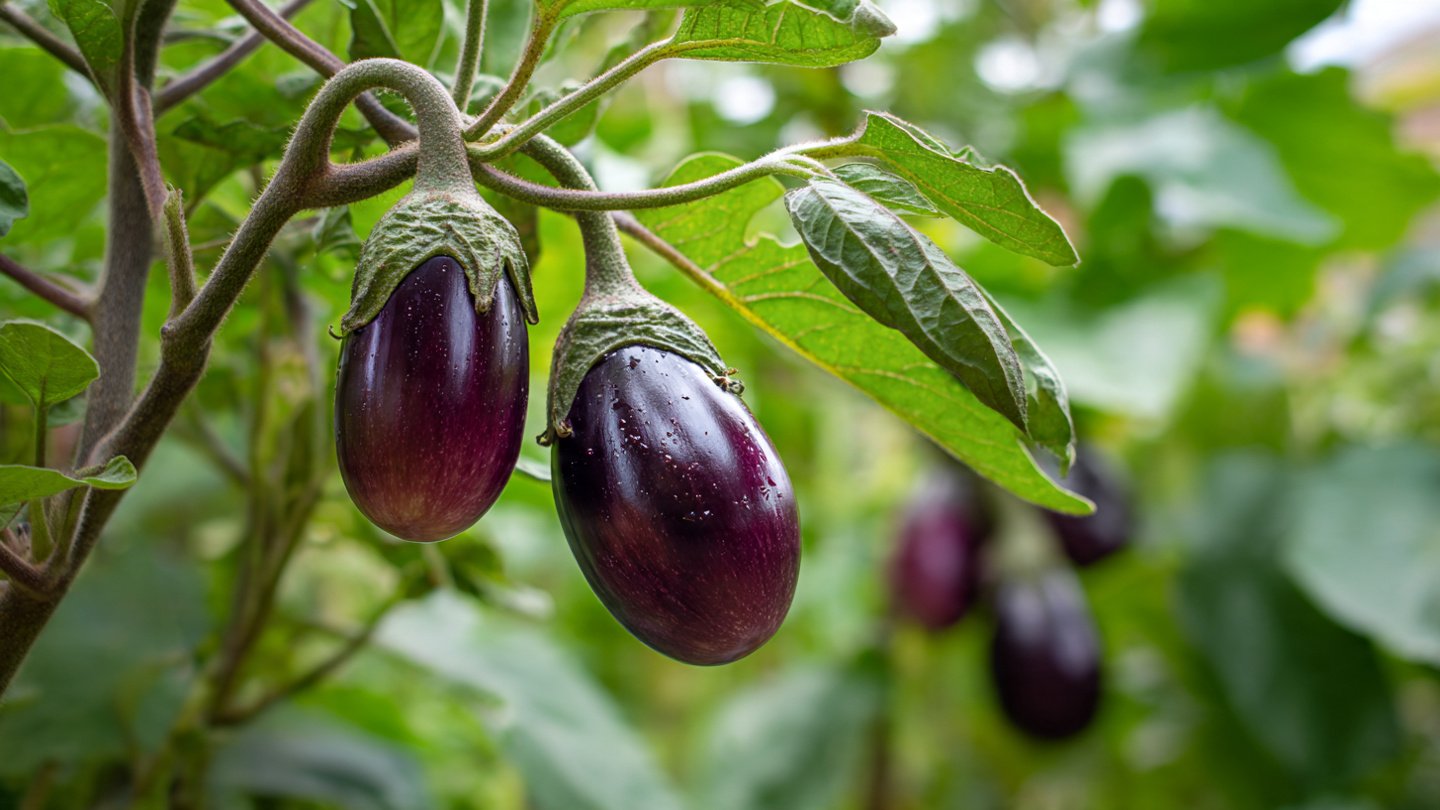
Eggplant, also known as brinjal, is one of the most rewarding vegetables you can grow at home. With the right care, a single eggplant plant can produce fruit continuously for months, giving you a steady harvest without repeated sowing. Whether you grow it in pots, grow bags, or garden beds, homegrown eggplant is easy to manage, highly productive, and far tastier than store-bought varieties.
If you want a vegetable that offers endless harvests with minimal effort, eggplant deserves a permanent place in your home garden. This guide explains how to grow eggplant successfully and keep it producing abundantly all season long.
Why Eggplant Is Perfect for Home Gardening
Eggplant is a warm-season vegetable that thrives in sunlight and responds extremely well to pruning, feeding, and regular harvesting. Unlike many vegetables that produce once and stop, eggplant continues flowering and fruiting when properly maintained.
Another advantage is versatility. Eggplants grow well in containers, raised beds, balconies, terraces, and backyards. They are also resilient, adapting well to different climates as long as they receive warmth and sunlight.
From a cost perspective, eggplant offers excellent value. A few plants can supply enough produce for an entire household, significantly reducing grocery expenses.
Choosing the Right Eggplant Variety
Selecting the right variety improves yield and ease of care. Long varieties are often more productive and easier to harvest regularly, while round varieties are excellent for cooking and stuffing.
Choose hybrid or open-pollinated varieties suited to your local climate. If growing in containers, compact or bush-type varieties perform best. Healthy seeds or seedlings are the foundation of a long-lasting harvest.
Soil Preparation for High Yield
Eggplant thrives in loose, fertile, well-draining soil. Heavy or compacted soil restricts root growth and reduces fruit production.
For containers, prepare a soil mix using garden soil, compost, and coco peat or sand for aeration. Compost is essential—it improves soil structure, retains moisture, and supplies nutrients gradually.
Eggplant prefers slightly acidic to neutral soil. Adding vermicompost before planting gives young plants a strong start and encourages early flowering.
Sunlight: The Key to Endless Harvests
Eggplant is a sun-loving plant. It needs at least 6–8 hours of direct sunlight daily to flower and fruit continuously. Insufficient sunlight leads to tall plants with few flowers and poor yields.
Place pots or grow bags in the sunniest part of your space. If growing indoors or on balconies, ensure unobstructed light exposure for most of the day.
Watering the Right Way
Consistent watering is critical, but overwatering can reduce yield. Eggplants prefer evenly moist soil, not waterlogged conditions.
Water deeply when the top layer of soil feels dry. During hot weather, container-grown plants may need daily watering, while garden plants may require watering every few days.
Mulching with dry leaves or straw helps retain moisture and keeps soil temperature stable, reducing stress on the plant.
Feeding Eggplants for Continuous Production
Eggplants are heavy feeders. To maintain endless harvesting, regular nutrition is essential.
Feed plants every 10–15 days with organic fertilizers such as compost tea, vermicompost, or fermented liquid fertilizer. Avoid excessive nitrogen, which promotes leaf growth instead of flowers and fruits.
Once flowering begins, focus on balanced feeding to support fruit development. Healthy feeding schedules directly translate to higher yields.
Pruning and Pinching for More Fruits
Pruning is one of the most effective techniques for increasing eggplant yield. Removing weak side shoots and damaged leaves directs energy toward flowering and fruiting.
Pinch off the growing tip when the plant reaches about 12–15 inches tall. This encourages branching, resulting in more flowering points and higher production.
Regular pruning also improves air circulation, reducing pest and disease issues.
Pollination and Flower Care
Eggplant flowers are self-pollinating, but gentle assistance can improve fruit set, especially in container gardens. Lightly shaking the plant or brushing flowers with your fingers helps pollen transfer.
Avoid stressing the plant during flowering. Inconsistent watering or sudden temperature changes can cause flowers to drop without forming fruit.
Pest Management the Natural Way
Common eggplant pests include aphids, whiteflies, spider mites, and fruit borers. Healthy plants grown in rich soil are naturally more resistant to pests.
Inspect leaves regularly, especially the undersides. Neem oil spray, soap water, or garlic-chili spray effectively controls most pests when applied early.
Avoid chemical pesticides, as they harm beneficial insects and can disrupt continuous fruiting.
Harvesting for Endless Growth
The secret to continuous eggplant harvest lies in regular picking. Harvest fruits while they are young, glossy, and firm. Overripe fruits signal the plant to slow down production.
Use a sharp knife or pruning scissors to avoid damaging stems. Frequent harvesting encourages the plant to produce more flowers and fruits.
With proper care, one eggplant plant can continue producing for several months.
Extending the Harvest Season
Eggplants can be grown almost year-round in warm climates. In cooler seasons, protect plants with covers or move containers to sunnier, sheltered locations.
Removing old plants and refreshing the soil with compost allows you to replant quickly, maintaining a constant supply of fresh eggplants.
Final Thoughts
Growing eggplant at home is one of the easiest ways to enjoy endless harvests with high yield. With proper sunlight, nutrient-rich soil, consistent watering, and regular pruning, eggplant plants become long-term producers rather than one-time crops.
Whether you’re gardening in a small balcony or a backyard, eggplant rewards your effort generously. Once you experience the satisfaction of harvesting fresh eggplants straight from your plant, you’ll never want to rely on store-bought ones again.