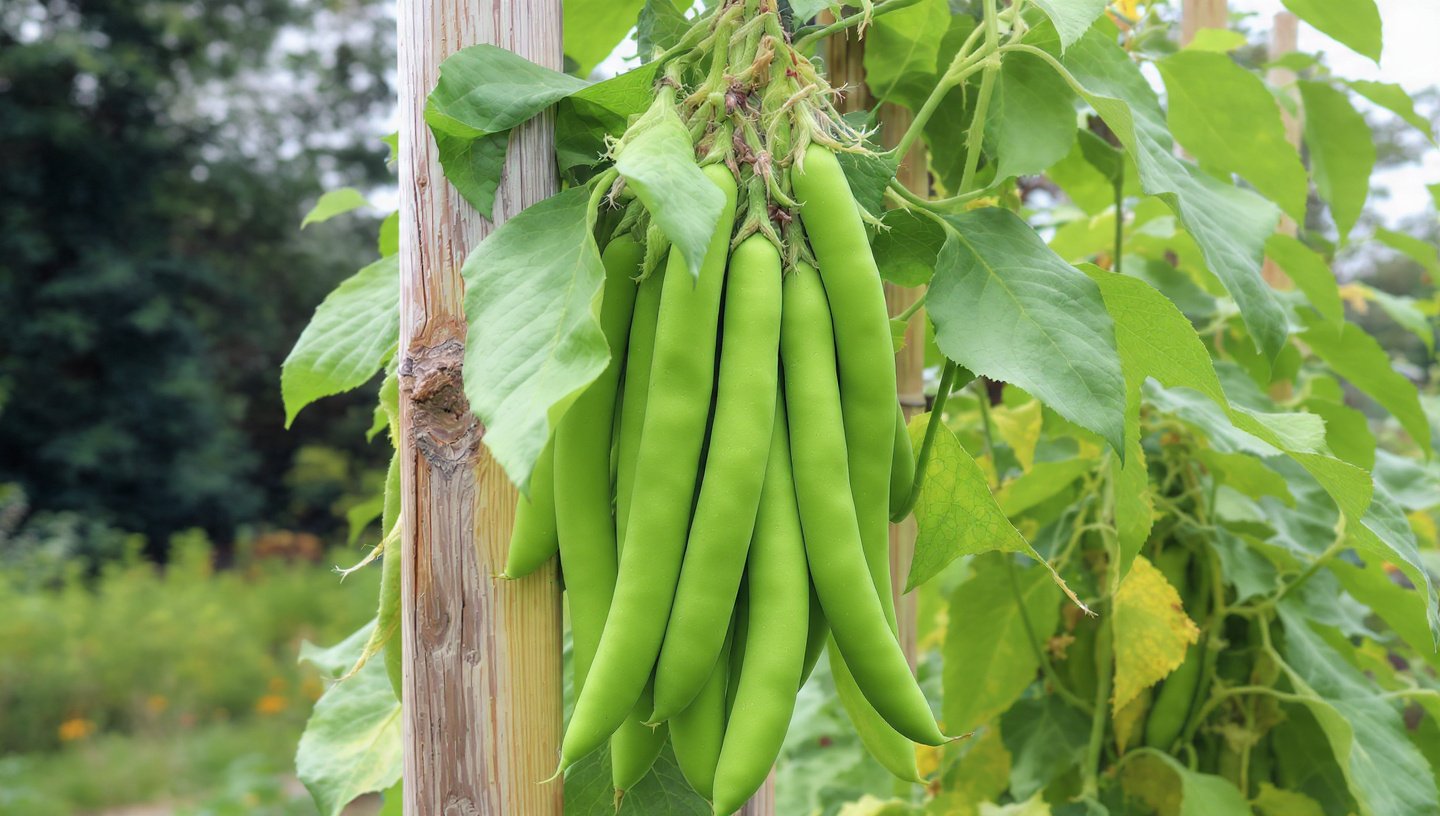
Yardlong beans are already known for their impressive productivity, but what if you could multiply that yield several times over without expensive fertilizers or complicated techniques? I decided to experiment with a simple growing method that promised healthier vines and heavier harvests—and the results completely surprised me. My yardlong bean plants didn’t just do well; they produced nearly ten times more pods than my usual harvest.
In this article, I’ll walk you through exactly what I did, why it worked so well, and how you can use the same method to dramatically increase your yardlong bean yield this season.
Why Yardlong Beans Often Underperform
Many gardeners plant yardlong beans and assume they’ll thrive on their own. While these plants are vigorous climbers, poor yields often result from a few common issues:
- Weak or compacted soil
- Lack of vertical support
- Excess nitrogen and low flowering
- Irregular watering
- Poor pollination
Yardlong beans grow fast and demand consistent nutrition, airflow, and space. When any one of these factors is missing, plants may grow lots of leaves but produce very few pods.
The Method That Changed Everything
The biggest breakthrough came from combining deep soil preparation, vertical training, and targeted feeding at the right growth stages. Instead of treating yardlong beans like ordinary bush beans, I focused on building an environment where the roots and vines could reach their full potential.
The method revolves around three key principles:
- Deep, living soil
- Aggressive vertical growth
- Flower-focused feeding
Together, these steps transformed both plant health and productivity.
Step 1: Prepare the Soil the Right Way
I stopped planting yardlong beans in shallow, flat beds. Instead, I created raised mounds about 10–12 inches high. This loosened the soil, improved drainage, and allowed roots to grow deeper and stronger.
The soil mix included:
- Garden soil
- Well-rotted compost
- A small amount of sand or coco peat
Before planting, I mixed in organic matter thoroughly. This ensured the soil stayed airy while holding enough moisture for steady growth.
Healthy roots are the foundation of heavy yields, and this change alone made a visible difference within weeks.
Step 2: Soak and Plant Seeds Strategically
Rather than planting seeds dry, I soaked them in water for 8–10 hours before sowing. This sped up germination and produced stronger seedlings.
Seeds were planted about 1 inch deep, with spacing that allowed airflow and climbing room. Overcrowding reduces flowering, so giving each plant adequate space is critical.
Within days, uniform and vigorous sprouts emerged—an early sign that the method was working.
Step 3: Build Tall, Strong Vertical Support
This was the biggest game-changer.
Yardlong beans want to climb, but short stakes limit their potential. I installed tall trellises over 7 feet high using bamboo poles and strong string. As the vines grew, I trained them upward instead of letting them tangle.
Vertical growth provided:
- Better air circulation
- More sunlight exposure
- Cleaner pods
- Increased flowering
The vines climbed rapidly, producing flowers continuously along the entire length.
Step 4: Water Deeply, Not Frequently
Instead of daily shallow watering, I watered deeply every 2–3 days. This encouraged roots to grow downward rather than staying near the surface.
The soil stayed moist but never soggy. Mulching around the base of plants helped retain moisture and regulate temperature, especially during hot weather.
Consistent watering during flowering made a massive difference in pod formation and size.
Step 5: Feed for Flowers, Not Leaves
This is where many gardeners go wrong.
Too much nitrogen creates lush foliage but fewer beans. Once the plants reached climbing height, I stopped nitrogen-heavy feeds and switched to a flowering-friendly nutrition approach.
Every two weeks, I used:
- Compost tea or diluted organic liquid feed
- Potassium-rich natural boosters
- Occasional wood ash (very lightly)
This shift redirected energy from leaves to flowers—and flowers quickly turned into long, tender pods.
Step 6: Prune and Train the Vines
I gently removed weak side shoots and excess foliage near the base of the plant. This improved airflow and reduced disease risk.
When vines reached the top of the trellis, I pinched the growing tips. This simple step forced the plant to produce side branches, each loaded with new flowers.
More branches meant more flowering points—and dramatically more beans.
Step 7: Encourage Pollination Naturally
Although yardlong beans self-pollinate, good airflow and insect activity increase success. I avoided spraying chemicals and allowed beneficial insects to thrive.
Planting flowering herbs nearby also helped attract pollinators, improving pod set and reducing flower drop.
The Results: A 10X Yield Surprise
Within weeks of flowering, the vines were covered in pods—sometimes several hanging from a single node. Harvesting became a daily routine.
Compared to previous seasons:
- Pod count increased dramatically
- Beans were longer and straighter
- Harvest lasted several weeks longer
- Plants stayed productive instead of exhausting early
What shocked me most was how long the plants continued producing with proper care.
Common Mistakes That Reduce Yield
If you want similar results, avoid these mistakes:
- Short trellises or weak support
- Overfeeding nitrogen fertilizer
- Letting soil dry out during flowering
- Overcrowding plants
- Skipping pruning and training
Fixing just one of these can improve yields—but combining all steps delivers exceptional results.
Why This Method Works So Well
This approach mimics how yardlong beans grow naturally—deep roots, tall climbing space, and steady nutrition. By working with the plant instead of against it, you unlock its full production potential.
The method doesn’t rely on expensive products or chemicals—just smart timing and understanding plant behavior.
Final Thoughts
I never expected such dramatic results from such simple changes. By improving soil depth, building taller supports, adjusting feeding, and managing vines properly, my yardlong beans rewarded me with an unbelievable harvest.
If you’ve ever felt disappointed by low yields, this method could completely change your gardening experience. Once you see vines loaded with beans day after day, you’ll understand why I was truly shocked.