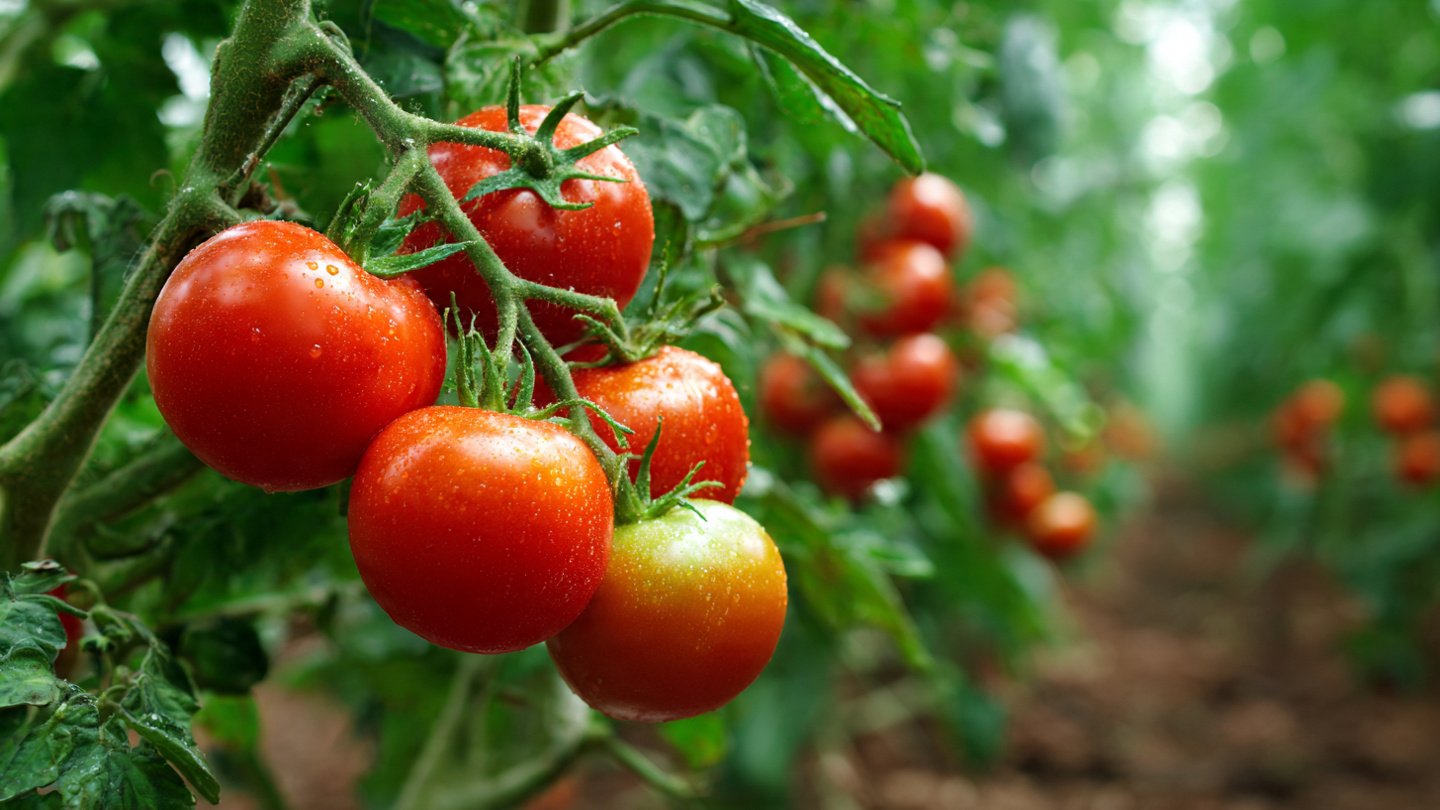
Growing tomatoes at home is one of the most rewarding experiences for any gardener, especially beginners. Few things compare to harvesting ripe, juicy tomatoes straight from your own garden or balcony. The good news is that tomatoes are relatively easy to grow, and with the right techniques, you can enjoy high yields even with limited space.
This easy guide walks you step by step through everything you need to know—from choosing the right variety to harvesting more tomatoes than you thought possible.
Why Grow Tomatoes at Home?
Tomatoes are a favorite in home gardens for many reasons:
- They grow well in pots, grow bags, and garden beds
- Homegrown tomatoes taste better than store-bought ones
- You control pesticides and fertilizers
- One healthy plant can produce dozens of fruits
With proper care, even beginners can achieve impressive harvests.
Step 1: Choose the Right Tomato Variety
Selecting the right variety plays a major role in yield and success.
Best tomato types for beginners:
- Determinate tomatoes: Compact plants, ideal for pots and small spaces
- Indeterminate tomatoes: Taller plants that produce continuously over the season
For balconies or containers, compact or bush varieties are easier to manage. For gardens with space and support, indeterminate types offer longer harvests.
Tip: Choose disease-resistant varieties whenever possible for better results.
Step 2: Start With Healthy Seeds or Seedlings
You can grow tomatoes from seeds or buy young seedlings.
Growing from seeds:
- Start seeds indoors or in a protected area
- Sow seeds 0.5–1 cm deep
- Keep soil moist but not soggy
- Seeds usually germinate in 5–10 days
Using seedlings:
- Choose plants with strong stems
- Avoid yellow or spotted leaves
- Look for compact, bushy growth
Healthy starts lead to higher yields later.
Step 3: Provide the Right Soil for High Yield
Tomatoes thrive in rich, well-draining soil.
Ideal soil mix:
- Garden soil or potting soil
- Compost or well-rotted manure
- Coco peat or sand for drainage
Soil should be loose, airy, and full of organic matter. Heavy or compact soil reduces root growth and fruit production.
Tip: Slightly acidic soil (pH 6.0–6.8) is ideal for tomatoes.
Step 4: Choose the Perfect Location
Sunlight is essential for tomato production.
Sun requirements:
- Minimum 6–8 hours of direct sunlight daily
- More sunlight = more flowers and fruits
If growing indoors or on a balcony, place plants near the sunniest window or open area.
Avoid areas with strong winds, as tomato plants can be fragile.
Step 5: Proper Pot Size and Spacing
Crowded roots mean fewer tomatoes.
Pot size guide:
- Small varieties: 10–12 inch pot
- Large varieties: 14–18 inch pot
Spacing in the ground:
- 45–60 cm between plants
Adequate space improves airflow, reduces disease, and boosts yield.
Step 6: Watering the Right Way
Incorrect watering is one of the most common beginner mistakes.
Watering tips:
- Water deeply but less frequently
- Keep soil evenly moist
- Avoid wetting leaves
- Water early in the morning
Overwatering leads to root rot, while underwatering causes flower drop and cracked fruits.
Step 7: Feeding Tomatoes for Maximum Production
Tomatoes are heavy feeders and need regular nutrition.
Best nutrients for tomatoes:
- Nitrogen (early growth)
- Phosphorus (flowers and roots)
- Potassium (fruit size and flavor)
Feeding schedule:
- Use compost or organic fertilizer every 10–15 days
- Switch to potassium-rich feed once flowering begins
Avoid excessive nitrogen—it causes leafy growth with fewer fruits.
Step 8: Support and Pruning for Higher Yield
Supporting tomato plants prevents disease and improves productivity.
Support options:
- Stakes
- Cages
- Trellises
Pruning tips:
- Remove lower leaves touching the soil
- Pinch off unnecessary side shoots (especially for indeterminate types)
- Improve airflow and sunlight penetration
Pruning helps plants focus energy on fruit production instead of excess foliage.
Step 9: Encourage Pollination Naturally
Tomatoes are self-pollinating but still benefit from assistance.
Simple ways to improve pollination:
- Gently shake plants during flowering
- Encourage pollinators like bees
- Avoid heavy spraying during bloom
Better pollination means more fruits and fewer dropped flowers.
Step 10: Watch Out for Common Problems
Common tomato issues:
- Yellowing leaves (nutrient deficiency or overwatering)
- Blossom end rot (calcium deficiency or irregular watering)
- Pests like aphids and whiteflies
Prevention tips:
- Maintain consistent watering
- Use mulch to retain moisture
- Apply neem oil or organic pest control if needed
Healthy plants always yield more.
Step 11: Harvesting for Continuous Production
Harvest tomatoes at the right time to encourage more fruiting.
Harvesting tips:
- Pick tomatoes when fully colored but firm
- Harvest regularly
- Do not let overripe fruits stay on the plant
Frequent harvesting signals the plant to produce more flowers and fruits.
Extra Tips for Beginner Success
- Mulch soil to retain moisture and control weeds
- Rotate crops yearly to prevent disease
- Remove damaged leaves immediately
- Keep plants clean and well-ventilated
Small consistent efforts lead to big harvests.
Final Thoughts
Growing tomatoes at home doesn’t require expert skills—just the right knowledge and basic care. By choosing suitable varieties, providing rich soil, proper sunlight, consistent watering, and timely feeding, even beginners can enjoy high-yield tomato plants in pots or gardens.
Once you taste your first homegrown tomato, you’ll realize why this crop is a favorite worldwide. With this easy guide, you’re well on your way to a productive and satisfying tomato-growing journey.