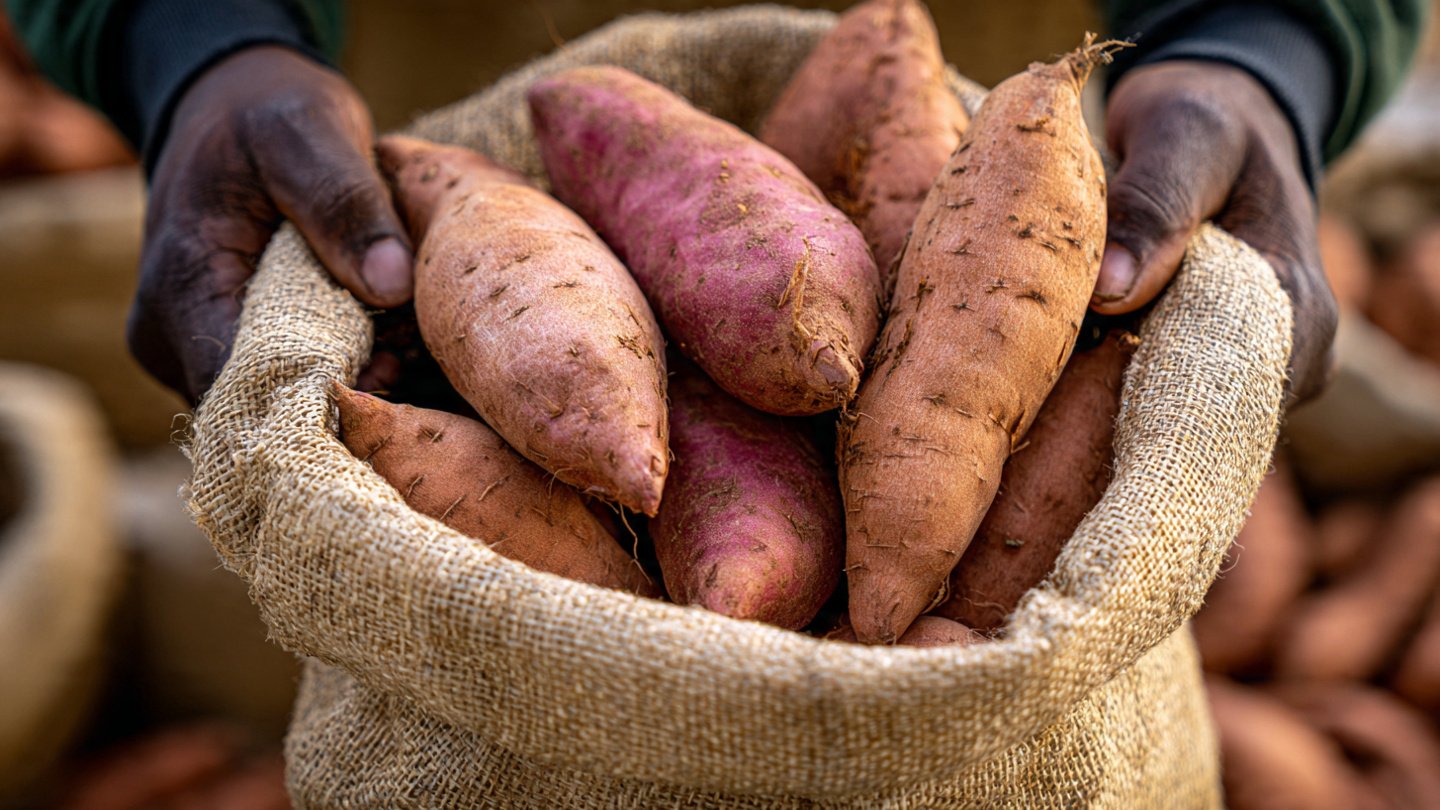
I used to believe that growing food required rich garden soil, expensive tools, and a big backyard. Living in a small space with almost no budget, I assumed homegrown vegetables were out of reach. But one simple experiment completely changed my mind—and my food supply. Against all odds, with no soil and almost no money, I successfully grew an abundant harvest of sweet potatoes.
If you think gardening is only for people with land and resources, this story will prove otherwise. Sweet potatoes are incredibly forgiving, adaptable, and productive, making them perfect for beginners, renters, and anyone starting from scratch.
Why Sweet Potatoes Are Perfect for Low-Budget Gardening
Sweet potatoes are one of the easiest crops to grow under unconventional conditions. They don’t demand rich soil, expensive fertilizers, or fancy containers. In fact, they thrive when given just a little care and creativity.
Here’s why sweet potatoes work so well:
- They grow from slips, not seeds
- They tolerate poor growing conditions
- They produce large harvests from small spaces
- Both roots and leaves are edible
- They adapt well to containers and grow bags
With minimal investment, sweet potatoes can provide weeks—sometimes months—of food.
Starting With Nothing: No Soil, No Garden Bed
I didn’t have garden soil, raised beds, or money for compost. Instead, I relied on what I already had: old buckets, broken tubs, recycled containers, and a sunny corner.
Instead of soil, I used:
- Coco coir
- Old potting mix leftovers
- Kitchen compost scraps
- A little sand for drainage
Sweet potatoes don’t need perfect soil. They just need something loose enough for roots to expand.
How I Grew Sweet Potatoes Without Soil
Step 1: Growing Slips for Free
I started with just one store-bought sweet potato. I placed it in water using toothpicks and waited. Within days, sprouts appeared. After a few weeks, I had multiple healthy slips—completely free.
Once the slips reached 5–6 inches long, I gently twisted them off and placed them in water until roots formed.
Step 2: Improvised Containers
Instead of pots, I used:
- Old paint buckets (with drainage holes)
- Broken plastic tubs
- Fabric grow bags made from old sacks
Sweet potatoes don’t care what container they’re in, as long as there’s drainage and room for roots to spread.
Step 3: A DIY Growing Medium
Since soil wasn’t an option, I mixed:
- Coco coir for moisture retention
- Kitchen compost for nutrients
- Sand and rice husks for aeration
The result was light, loose, and perfect for tuber development.
Zero Fertilizer, Zero Cost Feeding
I didn’t buy fertilizer. Instead, I relied on:
- Banana peel water for potassium
- Rice water for mild nutrients
- Compost tea from kitchen scraps
Sweet potatoes don’t need heavy feeding. Too much fertilizer actually leads to more leaves and fewer roots.
How Sweet Potatoes Grew So Well
Once planted, the vines took off quickly. Sweet potatoes love warmth and sunlight, and they rewarded me with fast growth.
Key things I did right:
- Placed containers in full sun
- Watered deeply but infrequently
- Avoided disturbing the soil
- Let vines sprawl freely
Within weeks, lush green vines covered the space. Underneath, the tubers were forming quietly.
The Hidden Bonus: Edible Leaves
Most people don’t realize sweet potato leaves are edible—and highly nutritious. I harvested young leaves regularly and cooked them like spinach.
Benefits of sweet potato leaves:
- Rich in vitamins and antioxidants
- Mild, pleasant flavor
- Encourages new vine growth
This meant I was harvesting food long before digging up the roots.
Harvest Time: The Real Surprise
After about four months, the vines began to slow down. The leaves yellowed slightly, signaling harvest time. When I tipped over the containers, I was stunned.
Each container produced multiple large, healthy sweet potatoes. From one single starter potato, I harvested enough to last weeks.
All this—without soil, without fertilizer, and without spending money.
Common Mistakes to Avoid
If you want similar success, avoid these common errors:
- Overwatering (leads to rot)
- Using heavy, compacted soil
- Adding too much nitrogen
- Harvesting too early
- Planting in cold conditions
Sweet potatoes reward patience more than effort.
Why Sweet Potatoes Are Ideal for Beginners
This experience taught me that food security doesn’t require perfection. Sweet potatoes are forgiving, productive, and adaptable.
They’re perfect if you:
- Live in an apartment
- Have no garden soil
- Want low-cost food production
- Are new to gardening
- Want high yields from small spaces
Few crops offer this level of return with such little investment.
Lessons I Learned From Growing Without Resources
- You don’t need money to grow food
- Creativity beats expensive tools
- Plants are more resilient than we think
- Containers can outperform garden beds
- One small start can lead to abundance
Growing sweet potatoes changed how I view gardening—and self-reliance.
Final Thoughts
I started with nothing—no soil, no garden, and no budget. What I gained was food, confidence, and proof that anyone can grow something, anywhere.
Sweet potatoes are more than just a crop. They’re a lesson in resilience, simplicity, and abundance. If you’ve ever felt limited by space or money, let this be your sign to start anyway.
Sometimes, the most rewarding harvests come from the most unlikely beginnings.