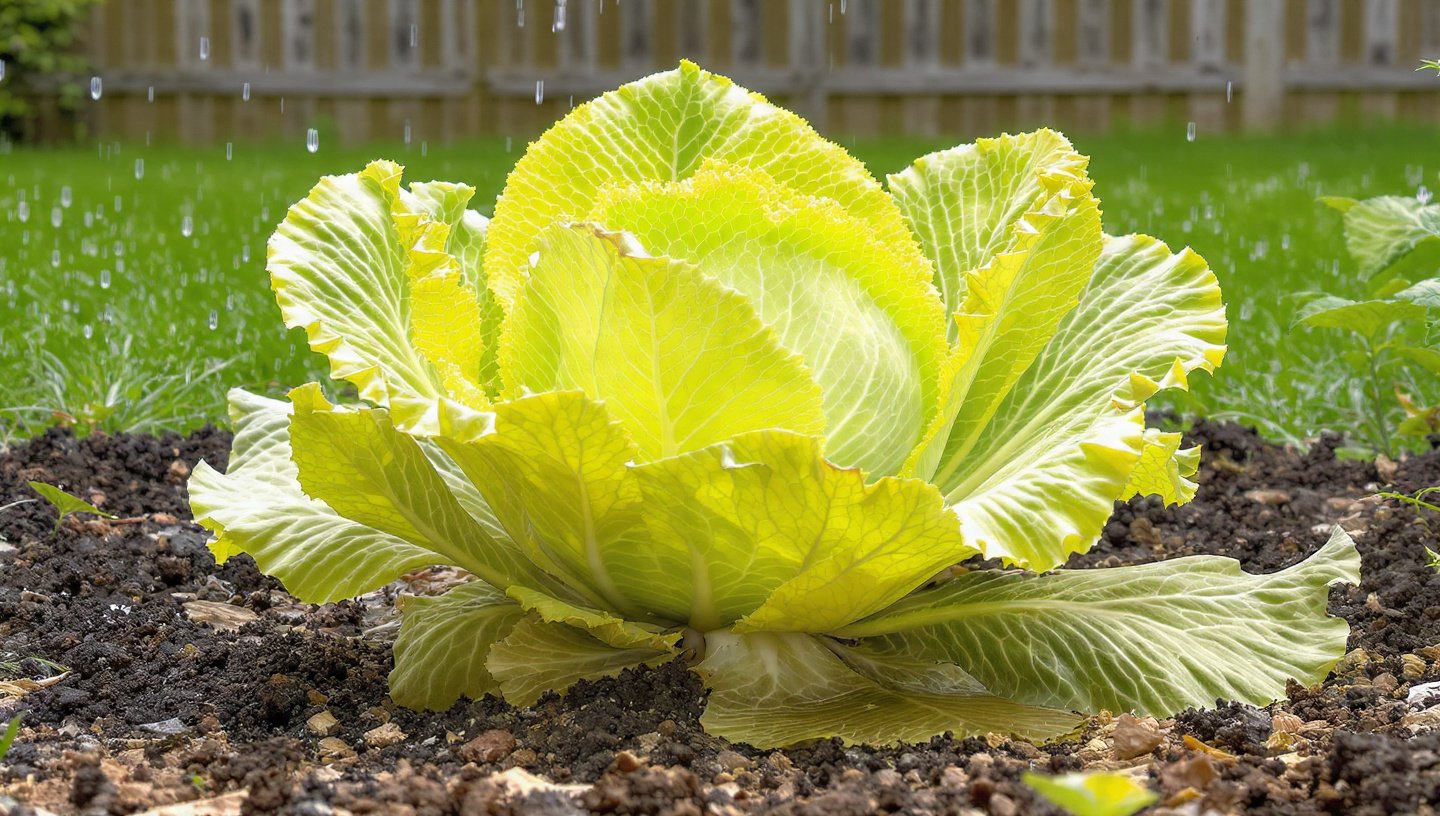
Napa cabbage, also known as Chinese cabbage, is a fast-growing, delicious, and versatile vegetable used in salads, stir-fries, soups, and fermented dishes. On paper, it sounds easy to grow—but in reality, many gardeners struggle with small heads, bitter leaves, or plants that bolt before forming at all.
If your Napa cabbage never seems to thrive, you’re not alone. In fact, most gardeners unknowingly make the same few mistakes, which can ruin the entire crop. The good news? Each problem has a simple solution.
Let’s break down the five most common Napa cabbage growing mistakes and the easy fixes that will help you grow crisp, full, healthy heads every time.
Why Napa Cabbage Is So Easy to Get Wrong
Napa cabbage grows quickly, but it’s very sensitive to temperature, spacing, water, and timing. Even small errors can trigger stress, causing plants to bolt, split, or fail to head up properly. Understanding what the plant needs—and when—makes all the difference.
Mistake #1: Planting at the Wrong Time
This is the number one reason Napa cabbage fails.
Napa cabbage is a cool-season crop. When planted too late in spring or too early in summer, rising temperatures signal the plant to bolt (flower prematurely) instead of forming a tight head.
The Fix
- Plant early spring (as soon as soil can be worked) or late summer for a fall harvest.
- Ideal growing temperatures range between 55°F and 70°F (13°C–21°C).
- In warmer climates, fall planting almost always produces better results.
Pro tip: If daytime temperatures regularly exceed 75°F (24°C), your cabbage is at high risk of bolting.
Mistake #2: Crowding the Plants
Many gardeners underestimate how much space Napa cabbage needs. Crowded plants compete for nutrients, water, and airflow, leading to loose heads and disease issues.
The Fix
- Space plants 12–18 inches apart.
- Rows should be 18–24 inches apart.
- Thin seedlings early instead of waiting too long.
Proper spacing allows each plant to develop a full, dense head and improves air circulation, reducing pest and fungal problems.
Mistake #3: Inconsistent Watering
Napa cabbage has shallow roots and grows quickly, which means it needs consistent moisture. Irregular watering can cause bitterness, splitting, or stunted growth.
The Fix
- Water deeply 2–3 times per week, depending on weather.
- Keep soil evenly moist, not soggy.
- Apply mulch (straw, dried leaves, or compost) to retain moisture and regulate soil temperature.
Never let the soil dry out completely, especially during head formation.
Mistake #4: Poor Soil Preparation
Napa cabbage is a heavy feeder. Planting it in poor or compacted soil almost guarantees disappointing results.
The Fix
- Use loose, well-draining soil rich in organic matter.
- Mix in compost or aged manure before planting.
- Maintain a soil pH between 6.0 and 7.5.
Healthy soil promotes rapid leaf growth, which is essential for forming large, crisp heads.
Mistake #5: Ignoring Nutrient Needs
Many gardeners plant Napa cabbage and forget about feeding it. Without enough nitrogen and balanced nutrients, plants remain small and weak.
The Fix
- Apply a nitrogen-rich fertilizer early in the growing stage.
- Side-dress with compost or liquid fertilizer every 2–3 weeks.
- Stop heavy feeding once heads begin to firm up.
Too little nutrition leads to poor growth, while too much late fertilizer can cause loose heads—balance is key.
Bonus Problem: Pests Destroying Your Crop
Even if you do everything else right, pests like cabbage worms, aphids, and flea beetles can devastate Napa cabbage.
Easy Prevention Tips
- Use row covers immediately after planting.
- Inspect leaves weekly, especially undersides.
- Remove pests by hand or use organic solutions like neem oil.
- Encourage beneficial insects such as ladybugs.
Early prevention is far easier than fixing an infestation later.
How Long Does Napa Cabbage Take to Grow?
Most varieties mature in 60–80 days, depending on growing conditions. Fall-grown cabbage often produces tighter, sweeter heads due to cooler temperatures.
Harvest when the head feels firm but before it cracks or splits.
Signs Your Napa Cabbage Is Growing Correctly
You’re on the right track if you notice:
- Upright outer leaves forming a tight center
- Even green color with no yellowing
- Steady growth without sudden flowering
- Firm heads that feel dense when gently squeezed
If flowering starts early, harvest immediately—flavor declines quickly after bolting.
Final Thoughts
Growing Napa cabbage isn’t difficult—but it’s unforgiving if basic needs are overlooked. Most failures come down to timing, spacing, water, and nutrition. Fixing just one or two mistakes can dramatically improve your results.
By planting at the right time, spacing plants properly, maintaining consistent moisture, enriching the soil, and feeding wisely, you’ll be rewarded with crisp, flavorful Napa cabbage that rivals anything from the grocery store.
Once you grow it the right way, you’ll wonder why it ever seemed difficult at all.