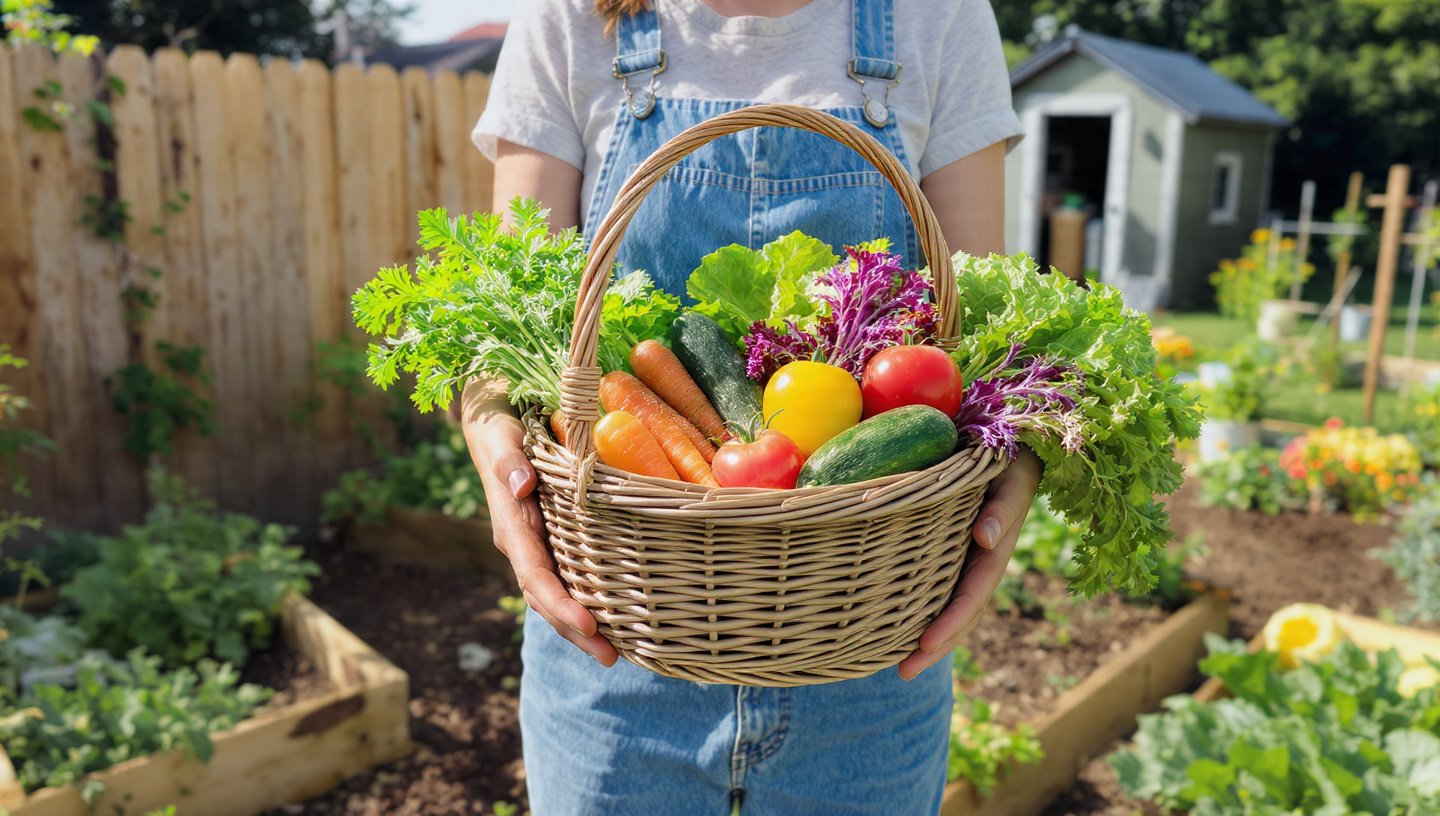
Buying vegetables every week can be expensive, frustrating, and often disappointing when produce lacks freshness or flavor. The good news is that you don’t need a large farm or advanced skills to grow your own vegetables. With the right approach, even a small balcony, terrace, or backyard can supply a steady stream of fresh, healthy produce. This complete guide to home vegetable gardening will show you how to grow vegetables efficiently so you can rely less on stores—and maybe stop buying them altogether.
Why Growing Your Own Vegetables Is Worth It
Home vegetable gardening is more than a hobby; it’s a lifestyle upgrade. When you grow your own food, you control what goes into your soil and onto your plate. No hidden chemicals, no unnecessary preservatives, and no long transportation times. Vegetables harvested at home are fresher, more nutritious, and more flavorful.
There’s also a major financial benefit. Seeds and basic supplies cost far less than repeatedly purchasing vegetables. Over time, a small garden can save you a surprising amount of money while providing continuous harvests.
Start With the Right Location
The success of your vegetable garden depends heavily on location. Most vegetables need at least 5–7 hours of direct sunlight daily. Look for a sunny spot in your backyard, terrace, or near a bright window if you’re growing indoors.
If space is limited, don’t worry. Containers, grow bags, vertical planters, and railing pots are excellent alternatives. The key is ensuring good drainage and enough room for roots to grow.
Choose Vegetables That Are Easy and Productive
To avoid frustration, begin with vegetables that grow quickly and produce generously. Leafy greens like spinach, lettuce, fenugreek, and mustard are ideal for beginners. They grow fast, can be harvested multiple times, and require minimal care.
Other excellent choices include tomatoes, chilies, beans, cucumbers, radishes, carrots, and eggplants. Herbs such as coriander, basil, mint, and parsley are also highly rewarding and reduce grocery costs immediately.
Focus on vegetables your household consumes regularly. Growing what you actually eat ensures nothing goes to waste.
Soil: The Foundation of Never Buying Vegetables Again
Healthy soil is the heart of a productive vegetable garden. Vegetables thrive in loose, nutrient-rich, well-draining soil. Avoid using plain garden soil alone, especially in pots, as it can become compacted.
A good soil mix includes compost, coco peat or sand for aeration, and garden soil. Compost is especially important—it improves soil structure, feeds beneficial microbes, and provides slow-release nutrients. Homemade compost from kitchen scraps can significantly reduce gardening costs.
Watering the Smart Way
Many beginner gardeners fail due to improper watering. Overwatering causes root rot, while underwatering stresses plants and reduces yields. The goal is consistent moisture, not soggy soil.
Water deeply so roots grow strong and downward. Early morning watering is best, as it reduces evaporation and prevents fungal issues. During hot weather, container plants may need daily watering, while garden beds may need less frequent but deeper watering.
Grow More in Less Space With Smart Techniques
To truly stop buying vegetables, productivity matters. Succession planting allows you to sow seeds in intervals so harvests continue throughout the season instead of all at once. As one crop finishes, another begins.
Vertical gardening is another powerful technique. Using trellises, stakes, or wall-mounted planters lets climbing vegetables like beans, cucumbers, and gourds grow upward, saving space and improving airflow.
Intercropping—growing fast crops alongside slow ones—maximizes soil use. For example, radishes can be harvested before tomatoes need the space.
Natural Feeding for Continuous Harvests
Vegetables are heavy feeders, especially when grown in containers. Instead of relying on chemical fertilizers, use organic feeding methods that improve soil health over time.
Compost tea, vermicompost, fermented plant liquids, and well-rotted manure provide essential nutrients. Feeding every 10–15 days keeps plants productive and encourages continuous flowering and fruiting.
Avoid excessive nitrogen, which causes leafy growth but fewer vegetables. Balanced feeding is key to long-term success.
Control Pests Without Chemicals
Pests are a natural part of gardening, but they don’t have to ruin your harvest. Healthy plants grown in rich soil are naturally more resistant. Regular inspection helps you catch problems early.
Simple remedies like neem oil spray, soap water, garlic-chili spray, or removing pests by hand can control most issues. Encouraging beneficial insects and maintaining good airflow also reduces pest pressure.
Avoid harsh chemicals, as they harm pollinators and soil life—both essential for a productive garden.
Harvest Regularly to Get More Vegetables
One secret to never buying vegetables again is harvesting often. Many vegetables produce more when harvested regularly. Leafy greens regrow after cutting, beans keep producing when picked young, and herbs become bushier when trimmed frequently.
Harvest vegetables at the right stage—not too early, not too late—to maintain plant health and flavor quality.
Plan for Year-Round Growing
With basic planning, home vegetable gardening can continue all year. Cool-season vegetables thrive in winter, while warm-season crops dominate summer. Using shade nets, mulching, and grow covers helps extend seasons and protect plants from extreme weather.
Even indoors, sunny windowsills can support herbs and greens, reducing grocery dependence throughout the year.
Final Thoughts
Growing your own vegetables is one of the most empowering skills you can learn. With sunlight, healthy soil, and smart techniques, you can turn a small space into a continuous food source. Over time, you’ll notice fewer trips to the market, lower food expenses, and better-tasting meals made from vegetables you grew yourself.
Once you experience the satisfaction of harvesting fresh produce at home, you may wonder why you ever bought vegetables in the first place.