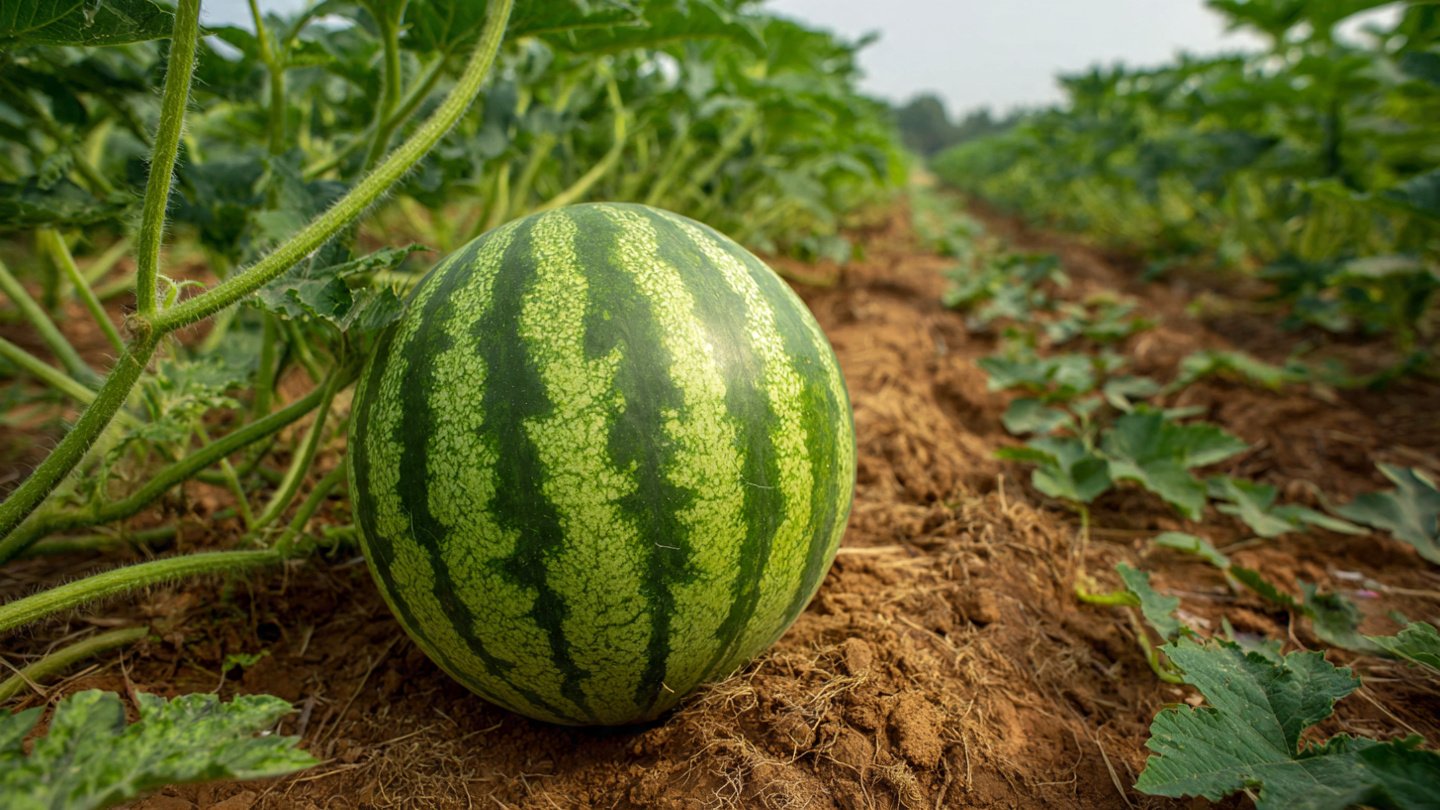
Growing giant watermelons is one of the most exciting and rewarding gardening challenges you can take on. There’s something deeply satisfying about nurturing a small seed into a massive, juicy watermelon that can weigh over 50 pounds or more. However, achieving such a harvest requires careful planning, proper care, and a few insider techniques to ensure your plants thrive.
If you’re dreaming of a successful giant watermelon garden this year, here are 10 essential strategies to maximize growth, fruit size, and flavor.
1. Choose the Right Giant Watermelon Variety
Not all watermelons grow to massive sizes. Selecting the right variety is crucial for your giant watermelon ambitions. Some popular giant watermelon varieties include:
- Carolina Cross: Known for record-breaking sizes, often exceeding 200 pounds.
- Black Diamond: Large, round melons with dark green rinds and sweet flesh.
- Jubilee: Elongated fruit that can reach impressive lengths.
When choosing seeds, consider your growing season length, climate, and space availability. Some varieties require longer warm periods to fully mature, so pick a type suited to your region.
2. Start Seeds Indoors
Giant watermelons need a long growing season, and starting seeds indoors gives them a head start. Steps to ensure healthy seedlings:
- Plant seeds in seed-starting trays or small pots with light, well-draining soil.
- Keep soil consistently moist, but not waterlogged.
- Maintain a temperature of 70–80°F (21–27°C) for optimal germination.
- Provide bright light or grow lights to prevent seedlings from becoming leggy.
Starting indoors ensures strong, healthy plants ready for transplant when the weather warms.
3. Prepare Rich, Well-Drained Soil
Giant watermelons are heavy feeders that thrive in nutrient-rich soil. Key tips:
- Choose a loamy, sandy soil with good drainage.
- Add well-rotted compost, aged manure, or organic fertilizer to boost fertility.
- Aim for a slightly acidic to neutral pH (6.0–6.8).
- Avoid heavy clay soils that retain water, as this can lead to root rot.
Healthy soil forms the foundation for strong vines and massive fruits.
4. Space Plants Properly
Watermelon vines need plenty of space to grow without competition. For giant varieties:
- Plant seeds or seedlings 6–10 feet apart in rows or hills.
- Allow at least 10–12 feet between rows to prevent overcrowding.
- Ample space ensures better sunlight exposure, airflow, and disease prevention.
Proper spacing is crucial to avoid stunted growth and smaller fruit size.
5. Provide Consistent Watering
Water is essential for rapid vine growth and large fruit development. Tips for watering giant watermelons:
- Water deeply 2–3 times a week, ensuring moisture reaches the root zone.
- Avoid overhead watering; use drip irrigation or a soaker hose to prevent fungal diseases.
- Reduce watering slightly as fruit matures to concentrate sugars and enhance flavor.
Even moisture is essential — stress from inconsistent watering can cause fruits to crack or develop poor taste.
6. Fertilize Strategically
Fertilization directly impacts vine vigor and fruit size. For giant watermelons:
- Use a high-nitrogen fertilizer early for leaf and vine growth.
- Switch to a high-phosphorus and potassium fertilizer when flowers appear to support fruit development.
- Side-dress soil with compost or organic fertilizer every 2–3 weeks during the growing season.
Balanced nutrition ensures giant watermelons reach their maximum potential.
7. Train and Prune Vines
Pruning giant watermelon vines focuses the plant’s energy on fewer but larger fruits. Steps to manage vines:
- Remove small or weaker fruits early to let the plant concentrate on one or two giants.
- Trim excessive lateral shoots to improve air circulation and light penetration.
- Support fruits by placing a soft bed of straw or a small platform beneath them to prevent rot or pests.
Training vines strategically maximizes fruit size and quality.
8. Pollinate Properly
Watermelons rely on pollination to set fruit. Inconsistent pollination can reduce fruit size or cause misshapen melons. Tips:
- Encourage bees and pollinators by planting flowering plants nearby.
- For giant watermelons, consider hand-pollination: use a small brush or cotton swab to transfer pollen from male to female flowers.
- Morning is the best time to pollinate, as flowers are fresh and pollen is viable.
Proper pollination directly affects fruit formation and overall success.
9. Protect Plants From Pests and Diseases
Giant watermelons can attract pests and diseases that stunt growth or ruin fruit. Common issues include:
- Aphids and cucumber beetles
- Powdery mildew and downy mildew
- Squash vine borers
Preventive measures:
- Rotate crops yearly to reduce soil-borne disease.
- Inspect vines regularly and remove infected leaves.
- Use natural insecticides or neem oil for pest control.
Healthy vines are more likely to produce larger, high-quality fruits.
10. Harvest at the Right Time
Knowing when to harvest is crucial for flavor and size. Indicators that giant watermelons are ready:
- The tendril nearest the fruit turns brown and dries.
- The bottom of the fruit (where it touches the soil) develops a creamy yellow spot.
- The skin becomes hard and glossy, and the fruit sounds hollow when tapped.
Harvesting at the correct stage ensures maximum sweetness and optimal fruit quality.
Bonus Tip: Patience and Observation
Growing giant watermelons is a long-term project. Each vine and fruit may take 80–120 days to mature, depending on variety and climate. Observe your plants daily, check for pests, monitor moisture, and adjust care as needed. Patience, careful attention, and consistent care are the keys to success.
Conclusion
Growing a successful giant watermelon garden takes planning, care, and dedication, but the results are incredibly rewarding. By following these 10 essential strategies — from selecting the right variety and preparing nutrient-rich soil to proper watering, fertilization, and pruning — you can increase your chances of harvesting massive, sweet, and healthy watermelons.
Whether you’re gardening for personal enjoyment, family meals, or competitions, these tips will help your giant watermelon vines flourish this year. Combine consistent care with patience, and you’ll enjoy a fruitful harvest that’s both satisfying and impressive.