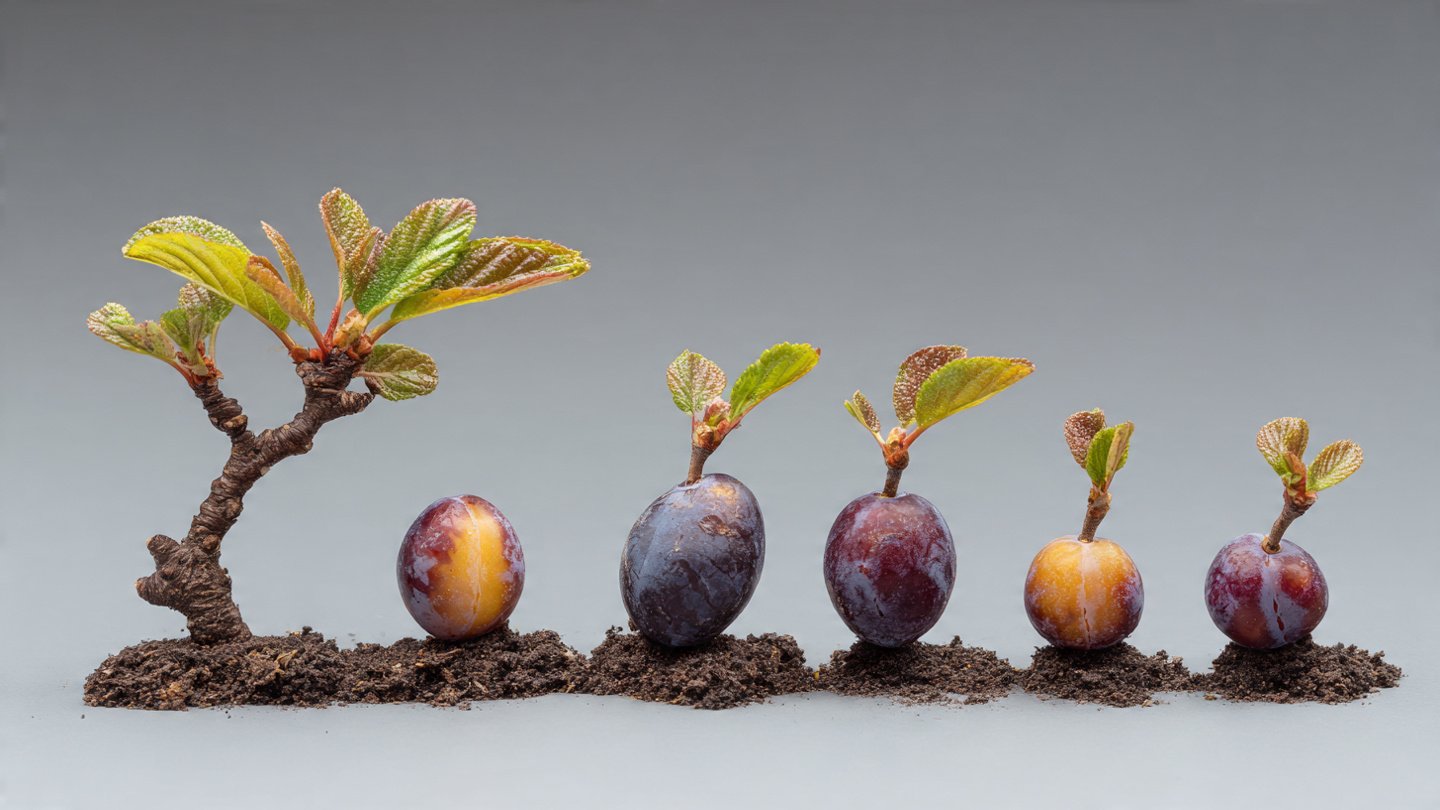
Few things are as satisfying for a gardener as watching a tiny seed transform into a mature, fruit-bearing tree. Plum trees, with their delicate blossoms and sweet, juicy fruits, provide both aesthetic beauty and delicious rewards. Observing the full life cycle of a plum tree—from seed germination to flowering and fruiting—offers fascinating insights into the intricate process of plant growth. In this article, we explore a complete plum tree growth journey, highlighting the key stages, care requirements, and what to expect during each phase.
1. The Beginning: Seed Selection and Preparation
The journey begins with selecting healthy plum seeds. Fresh seeds from ripe plums or seeds from reliable nurseries provide the highest germination rates. If using seeds from fresh plums, it’s essential to clean them thoroughly, removing all fruit residue, which can lead to mold or bacterial growth.
Before planting, plum seeds often require stratification, a process of cold treatment that mimics winter conditions. This involves placing the cleaned seeds in a damp paper towel or sand inside a plastic bag and storing them in the refrigerator for 6–8 weeks. Stratification helps break seed dormancy, encouraging successful germination when they are later planted in soil.
2. Germination: The First Signs of Life
After stratification, the seeds are ready for sowing in a well-draining soil mix. A mixture of potting soil and sand or perlite provides the right texture for roots to grow without waterlogging. Seeds are planted about 1–2 cm deep and kept in a warm, sunny spot or under a grow light to maintain consistent warmth.
Germination usually takes 2–6 weeks, depending on the variety and environmental conditions. During this stage, careful attention to moisture levels is critical—soil should be kept damp but not soggy. The first tiny root (radicle) emerges, followed by the shoot breaking through the soil, signaling the start of a new plum tree’s life.
3. Seedling Stage: Establishing Roots and Leaves
Once the plum seedling emerges, the focus shifts to nurturing healthy root and leaf growth. Seedlings need:
- Bright, indirect sunlight to encourage photosynthesis without scorching delicate leaves.
- Regular watering, allowing the topsoil to dry slightly between waterings to prevent root rot.
- Balanced nutrition, using a diluted liquid fertilizer every 2–3 weeks to support early growth.
During this stage, seedlings develop their first true leaves, distinguishable from the initial seed leaves (cotyledons). Strong roots and healthy foliage are critical foundations for a plum tree that will eventually bear fruit.
4. Young Tree Stage: Transplanting and Early Development
After a few months, seedlings grow sturdy enough to be transplanted into larger pots or directly into the garden. When selecting a planting site:
- Choose full sun, as plum trees require 6–8 hours of sunlight daily.
- Ensure well-draining soil rich in organic matter.
- Maintain proper spacing, about 3–5 meters apart, to allow for future growth and airflow.
Young trees benefit from staking, which provides support while the trunk strengthens. Early pruning during the first couple of years shapes the tree’s structure, encouraging strong lateral branches and open canopies for better air circulation and sunlight penetration.
5. Flowering Stage: The Promise of Fruit
Depending on the variety, plum trees may begin flowering after 2–4 years. Spring blossoms are not only beautiful, but they signal the tree’s readiness for fruiting. Proper care during this stage is essential:
- Pollination: Many plum trees require cross-pollination from another compatible variety for fruit set.
- Pest and disease control: Blossoms attract pollinators, but also pests like aphids and fungal diseases, which should be monitored.
- Fertilization: A nitrogen-rich fertilizer supports leaf growth, while phosphorus and potassium encourage flower and fruit development.
Blossoms usually last 1–2 weeks and set the stage for tiny green plums that will develop over the summer.
6. Fruit Development: Growing Juicy Plums
Once flowers are pollinated, small fruits begin to form. During the fruiting phase:
- Consistent watering is crucial, especially during dry spells, to prevent fruit drop or cracking.
- Mulching around the base helps retain moisture and regulate soil temperature.
- Thinning clusters of fruit ensures the remaining plums grow larger and healthier, as the tree’s energy is not spread too thin.
The maturation process varies by variety, typically taking 3–5 months from blossom to harvest. As plums ripen, their color deepens, and sugar content increases, resulting in the sweet, juicy fruit we anticipate.
7. Harvesting: Enjoying the Fruits of Your Labor
Harvesting time depends on the plum variety, climate, and local growing conditions. Signs that plums are ready for picking include:
- Slight softness when gently squeezed.
- Rich, vibrant color specific to the variety.
- Ease of detachment from the tree without force.
Freshly harvested plums can be enjoyed immediately or preserved through canning, freezing, or drying. Regular harvesting also encourages the tree to produce more fruit in subsequent years.
8. Seasonal Care: Ensuring Long-Term Health
A plum tree’s growth journey is ongoing, and proper seasonal care is essential:
- Winter: Prune dead or overcrowded branches and apply dormant oil sprays to control pests.
- Spring: Fertilize and monitor for diseases during flowering.
- Summer: Ensure consistent watering and manage pests like aphids, plum curculio, and birds.
- Autumn: Apply compost or organic fertilizers and prepare the tree for dormancy.
Maintaining seasonal care practices ensures your plum tree remains healthy, productive, and resilient over the years.
9. Time-Lapse Observation: Seeing Growth Unfold
Many gardeners enjoy creating a time-lapse video of their plum tree’s growth, capturing months or even years of development in a few minutes. This visual representation highlights:
- Germination and seedling emergence.
- Leaf expansion and branching patterns.
- Blossom opening and fruit formation.
- Seasonal changes in color and foliage.
Time-lapse observation not only provides a fascinating visual story but also helps identify growth patterns, monitor health, and track the tree’s response to care practices over time.
10. Conclusion: From Seed to Mature Plum Tree
Growing a plum tree from seed to fruit-bearing maturity is a rewarding journey that combines patience, knowledge, and attention to detail. From seed germination to flowering and fruiting, each stage requires careful care and observation. By understanding the tree’s needs at each stage—sunlight, water, soil nutrition, pruning, and pest management—gardeners can ensure a thriving plum tree that produces abundant, delicious fruit year after year.
Whether you are a novice gardener or an experienced orchardist, observing the full growth journey of a plum tree is a reminder of nature’s resilience and beauty. Creating a time-lapse record adds a unique dimension to this experience, transforming months of careful care into a stunning visual narrative that celebrates growth, life, and harvest.