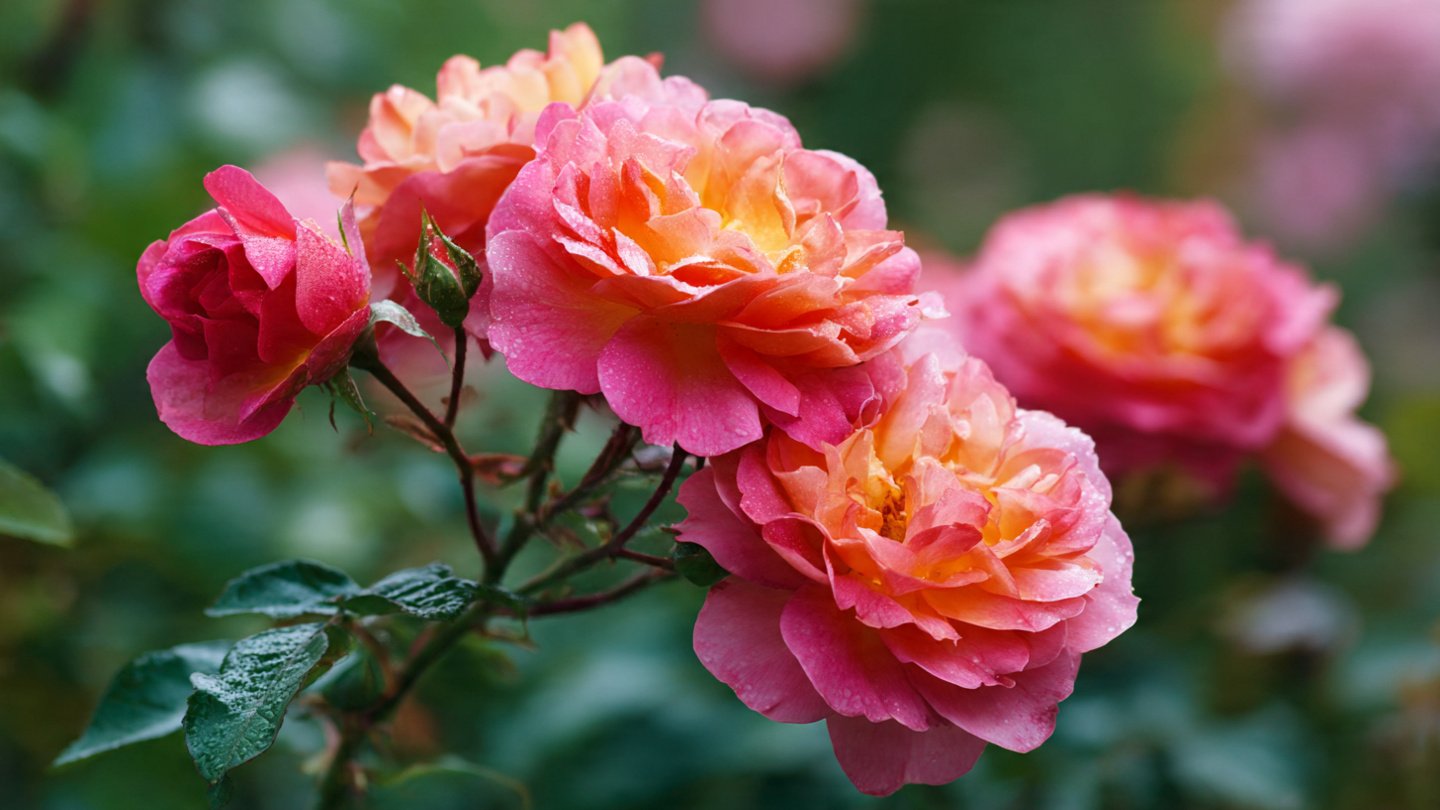
Roses have long been celebrated as the queens of the garden, admired for their beauty, fragrance, and incredible variety. Thanks to modern breeding, today’s roses are more resilient, disease-resistant, and beginner-friendly than ever before. Whether you’re planting your very first rose bush or expanding an established garden, choosing the right type of rose can make all the difference.
This 2026 complete guide breaks down the best types of roses for every gardener, from low-maintenance shrubs to dramatic climbers and compact patio favorites. With the right selection, roses can thrive in almost any garden style or climate.
Why Choosing the Right Type of Rose Matters
Not all roses grow or behave the same way. Some demand regular pruning and care, while others flourish with minimal attention. Selecting a rose that matches your climate, space, and experience level ensures healthier plants, better blooms, and a more enjoyable gardening experience overall.
1. Hybrid Tea Roses
Best for: Classic rose lovers and formal gardens
Hybrid tea roses are known for their iconic, large, single blooms on long stems—perfect for cutting and floral arrangements. They bloom repeatedly throughout the season and offer a wide range of colors and fragrances.
Pros:
- Elegant, show-stopping flowers
- Excellent for bouquets
- Wide color selection
Cons:
- Require regular pruning and care
- Less cold-hardy than other types
2. Floribunda Roses
Best for: Continuous color and beginner gardeners
Floribunda roses produce clusters of smaller flowers rather than single large blooms. They are hardier and easier to care for than hybrid teas, making them ideal for gardeners who want reliable performance with less effort.
Pros:
- Long blooming season
- Disease-resistant varieties available
- Great for borders and beds
Cons:
- Smaller individual blooms
3. Grandiflora Roses
Best for: Gardeners who want height and elegance
Grandiflora roses combine the large blooms of hybrid teas with the clustered flowering habit of floribundas. These tall plants make excellent focal points in garden beds.
Pros:
- Tall, dramatic growth
- Large blooms with repeated flowering
Cons:
- Require space and support
- Moderate maintenance
4. Shrub Roses
Best for: Low-maintenance gardens and landscapes
Shrub roses are among the easiest roses to grow. They’re tough, adaptable, and often bred for disease resistance. Many modern landscape roses fall into this category.
Pros:
- Very hardy and low-care
- Excellent disease resistance
- Ideal for hedges and mass planting
Cons:
- Less formal flower shape
5. Climbing Roses
Best for: Vertical gardening and dramatic displays
Climbing roses are perfect for covering fences, walls, trellises, and pergolas. While they don’t climb on their own, training them properly creates stunning vertical displays.
Pros:
- Maximize vertical space
- Abundant blooms once established
- Great for romantic garden designs
Cons:
- Require pruning and training
- Bloom cycles may be seasonal
6. Rambling Roses
Best for: Large spaces and natural gardens
Rambling roses grow vigorously and produce masses of small flowers, often in late spring or early summer. They’re ideal for large garden structures or old trees.
Pros:
- Extremely vigorous growth
- Spectacular once-a-year bloom
- Perfect for cottage gardens
Cons:
- Can become overwhelming
- Limited blooming season
7. Miniature Roses
Best for: Containers, balconies, and small spaces
Miniature roses are compact versions of full-sized roses with the same beauty in a smaller package. They’re excellent for patios, window boxes, and indoor sunlit spaces.
Pros:
- Compact and versatile
- Ideal for containers
- Easy to move and manage
Cons:
- Need frequent watering in pots
8. Groundcover Roses
Best for: Slopes, borders, and erosion control
Groundcover roses spread horizontally and provide dense coverage. They’re perfect for suppressing weeds and adding continuous color to large areas.
Pros:
- Low maintenance
- Excellent disease resistance
- Continuous flowering
Cons:
- Less height and structure
9. English Roses
Best for: Fragrance lovers and cottage gardens
English roses combine the charm of old roses with modern repeat blooming. Known for their strong fragrance and romantic form, they’re ideal for traditional gardens.
Pros:
- Strong scent
- Beautiful, full blooms
- Repeat flowering
Cons:
- Need good air circulation
- Moderate maintenance
10. Old Garden Roses
Best for: Historic gardens and traditionalists
Old garden roses date back before modern hybrid roses. They are cherished for their fragrance, resilience, and timeless beauty.
Pros:
- Exceptionally fragrant
- Hardy and resilient
- Low chemical needs
Cons:
- Limited bloom cycles
- Fewer color options
11. Tree Roses
Best for: Statement pieces and formal landscapes
Tree roses are created by grafting rose varieties onto tall stems, giving them a small “tree” appearance. They make excellent focal points in containers or garden beds.
Pros:
- Eye-catching structure
- Ideal for formal designs
Cons:
- Require winter protection
- More maintenance
Tips for Choosing the Best Rose for Your Garden
- Climate matters: Choose roses bred for your local weather conditions.
- Sun exposure: Most roses need at least 6 hours of sunlight daily.
- Maintenance level: Be honest about how much time you can commit.
- Purpose: Decide whether you want cut flowers, ground coverage, fragrance, or visual impact.
Final Thoughts
Roses are more versatile and accessible than ever before. From low-maintenance shrub roses to elegant climbers and compact miniatures, there’s truly a rose for every gardener in 2026. By choosing the right type for your space, climate, and experience level, you’ll enjoy healthier plants, more blooms, and seasons filled with color and fragrance.
With thoughtful selection and basic care, roses can become the most rewarding plants in your garden for years to come.