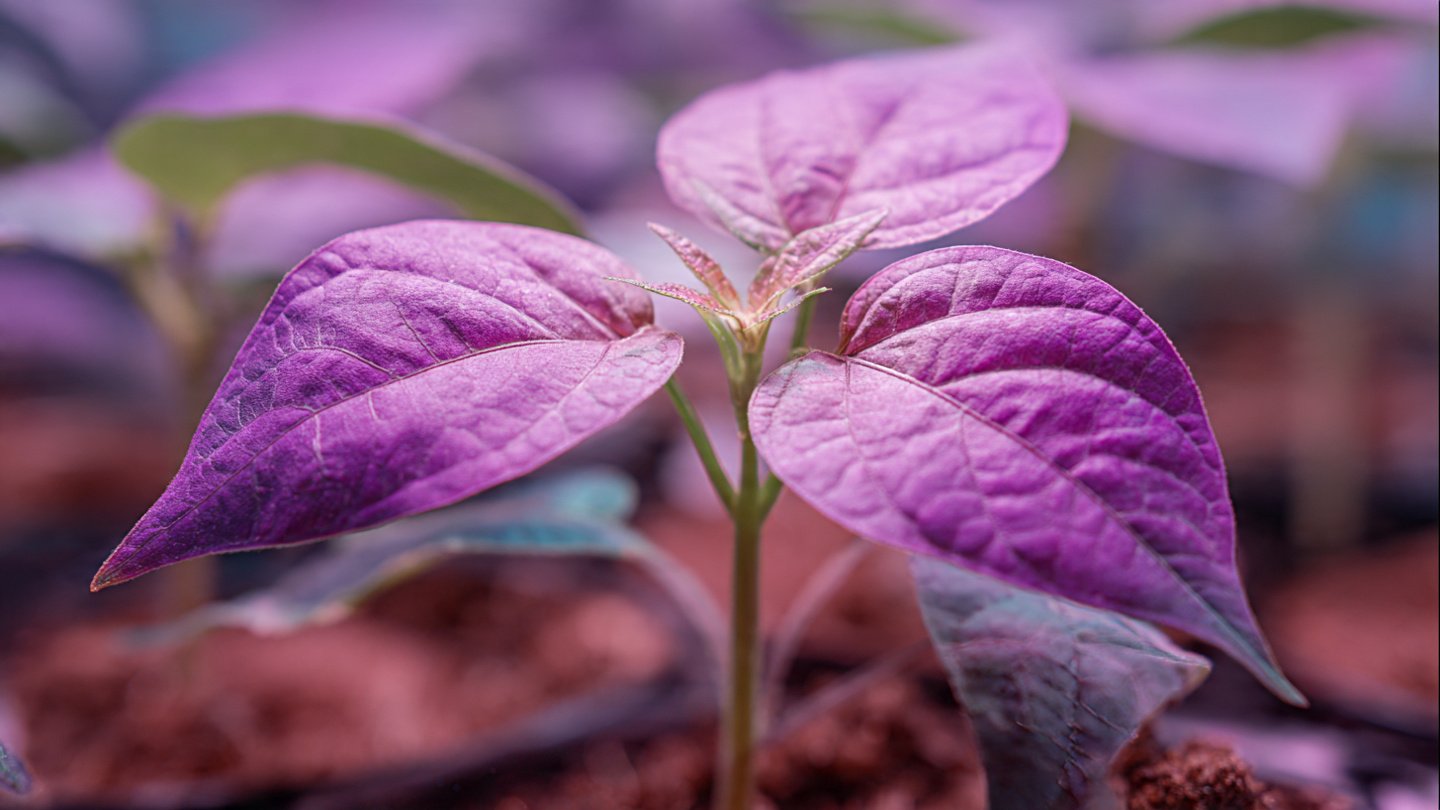
Growing your own purple sweet potatoes can be an incredibly satisfying experience. Watching a small tuber transform into a bountiful harvest over months combines the joy of gardening with the wonder of nature. In this guide, we’ll explore how to grow purple sweet potatoes in 172 days, step by step, while capturing the transformation in a time-lapse format. Whether you’re a seasoned gardener or a beginner, understanding the process will help you achieve a healthy, vibrant crop.
Understanding Purple Sweet Potatoes
Purple sweet potatoes are a unique variety of sweet potato known for their vibrant color and rich nutritional profile. They are high in antioxidants, particularly anthocyanins, which give them their deep purple hue. They have a slightly sweeter taste than regular sweet potatoes and are versatile in cooking—perfect for baking, roasting, or even turning into desserts.
Unlike other vegetables, sweet potatoes require a longer growing period. The 172-day timeframe allows the tubers to fully mature, ensuring maximum flavor and size. Understanding the growth cycle is key to achieving a successful harvest.
Preparing the Soil
Soil preparation is the foundation of growing healthy purple sweet potatoes. They thrive in loose, well-draining soil with a slightly acidic to neutral pH (around 5.8 to 6.5). Before planting, ensure the soil is free from rocks and compacted areas. Adding organic matter, such as compost or well-rotted manure, can significantly improve soil fertility and drainage.
Sweet potatoes prefer a sunny location, receiving at least six hours of sunlight per day. Adequate sunlight promotes robust vine growth and tuber development. Raised beds or mounds are particularly effective in improving soil drainage and preventing waterlogged conditions that could lead to rot.
Selecting and Preparing Slips
Purple sweet potatoes are usually propagated through slips, which are sprouts grown from an existing tuber. To start, select healthy, disease-free purple sweet potatoes. Place them in a warm, moist environment, and after a few weeks, sprouts will emerge. These sprouts, or slips, should be carefully removed from the tuber and allowed to grow roots in water or a moist growing medium for several days before planting.
Properly prepared slips ensure a strong start for your sweet potato plants. Healthy slips typically measure 6 to 12 inches long with several small leaves. Avoid using weak or damaged slips, as they may not survive the transplanting process.
Planting Slips
Once your slips are ready, it’s time to plant. Space the slips 12 to 18 inches apart in rows that are about 3 feet apart. Dig holes deep enough to cover the roots while keeping the leaves above the soil surface. Water the plants immediately after planting to help settle the soil and reduce transplant shock.
Mulching around the base of the plants can help retain soil moisture and suppress weeds. Organic mulches, such as straw or shredded leaves, are ideal. Over the course of the first few weeks, keep the soil consistently moist but not waterlogged, allowing the plants to establish a strong root system.
Care and Maintenance
Purple sweet potatoes require regular care throughout their 172-day growth period. Here are some key maintenance tips:
- Watering: Water the plants deeply once or twice a week, depending on rainfall and soil type. Consistent moisture is crucial, especially during tuber formation, but avoid waterlogging, which can lead to rot.
- Fertilization: Use a balanced fertilizer rich in potassium and phosphorus to encourage tuber development. Avoid excessive nitrogen, which promotes leafy growth at the expense of tubers.
- Weeding: Keep the planting area free from weeds, as they compete for nutrients and water. Mulching can greatly reduce the need for frequent weeding.
- Pest Control: Common pests include sweet potato weevils, aphids, and nematodes. Regular inspection of leaves and stems can help detect infestations early. Organic treatments, such as neem oil or insecticidal soap, are effective and safe for edible crops.
- Vine Management: Purple sweet potato vines can spread extensively. You can gently train the vines to grow in a controlled direction, particularly if using a small garden bed or container.
Observing Growth in Time-Lapse
Documenting the growth of purple sweet potatoes over 172 days with a time-lapse adds a fascinating visual dimension. Set up a camera or smartphone in a fixed position, capturing one photo per day or several per week. Over months, you’ll see the subtle yet dramatic changes: new leaves unfurling, vines sprawling, flowers blooming, and eventually, tubers enlarging underground.
Time-lapse videos can reveal patterns you might otherwise miss, such as growth spurts during ideal weather conditions or the effect of watering schedules. Not only is this visually captivating, but it also provides valuable insights into your growing techniques, helping you optimize care for future crops.
Flowering and Pollination
Purple sweet potatoes occasionally produce small, pale flowers along the vines. While pollination is not necessary for tuber development, flower production indicates a healthy plant. Bees and other pollinators may visit these blooms, adding biodiversity to your garden.
Harvesting
After approximately 172 days, your purple sweet potatoes will be ready for harvest. The vines may start to yellow, signaling tuber maturity. Carefully dig around the plant with a garden fork or spade, taking care not to damage the tubers.
Once harvested, brush off excess soil but avoid washing them immediately, as moisture can promote rot. Cure the tubers in a warm, humid environment for 5 to 10 days to enhance sweetness and extend storage life. After curing, store them in a cool, dry, and dark place.
Cooking and Enjoying Your Harvest
Purple sweet potatoes are versatile in the kitchen. Their vibrant color makes them ideal for visually striking dishes. They can be baked, boiled, roasted, mashed, or even incorporated into desserts like pies and cakes. Nutritionally, they are rich in fiber, vitamins A and C, and antioxidants, making them a healthy addition to any meal.
Tips for Success
- Rotate crops yearly to reduce soil-borne diseases.
- Avoid planting in areas where potatoes or tomatoes were grown recently, as they share similar pests.
- Monitor the soil temperature; sweet potatoes grow best in soil above 60°F (15°C).
- Keep a gardening journal alongside your time-lapse to track growth conditions, watering schedules, and fertilization.
By carefully following these steps, you can enjoy a successful harvest of purple sweet potatoes and witness the magic of growth over 172 days. Watching the transformation in time-lapse will not only provide a sense of accomplishment but also deepen your connection with the natural growth process.