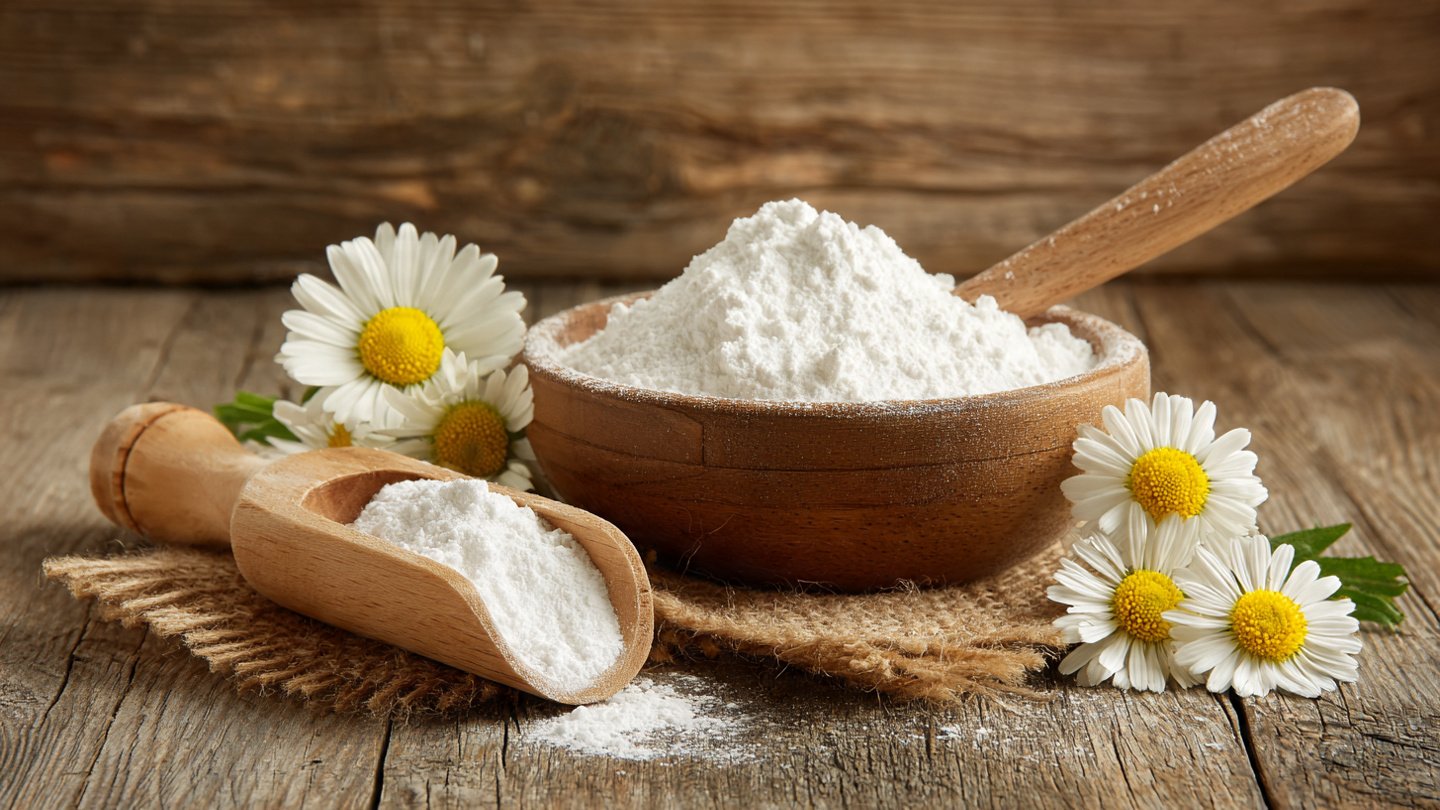
Gardening is both an art and a science, requiring patience, attention to detail, and a little bit of ingenuity. While there are countless products on the market promising perfect plant growth, some of the most effective solutions are right in your kitchen cupboard. One such versatile ingredient is baking soda. Known scientifically as sodium bicarbonate, baking soda is more than just a leavening agent for baking—it’s a powerhouse for gardeners. If you’re not already using it in your garden, here are eight compelling reasons to stock up and keep it ready.
1. Baking Soda Helps Prevent Fungal Diseases
Fungal diseases like powdery mildew, black spot, and rust can wreak havoc on plants, especially during warm, humid months. Baking soda is an effective, natural fungicide. When mixed with water and a mild liquid soap, it creates a solution that can be sprayed directly onto leaves. The alkalinity of baking soda alters the pH on the leaf surface, making it inhospitable for fungal growth. Regular applications, particularly during the early stages of infection, can keep your plants healthy without resorting to harsh chemical fungicides.
2. It Boosts Flowering and Fruiting
Believe it or not, baking soda can also help your plants produce more blooms and fruit. By slightly raising the pH of the soil around your plants, baking soda can make certain nutrients more available to your flowers and vegetables. For instance, tomatoes, peppers, and cucumbers benefit from this mild alkalinity, often showing improved fruit size and yield. Just be careful to use it sparingly—too much can disrupt the natural balance of your soil.
3. Natural Pest Deterrent
Gardening pests like ants, aphids, and slugs can be persistent problems. Baking soda can serve as a gentle deterrent. Sprinkling it around the base of plants creates a barrier that is unpleasant to soft-bodied insects, while mixing it into a spray can help reduce infestations on leaves. Unlike chemical pesticides, baking soda is safe for beneficial insects like bees and ladybugs, making it a more eco-friendly solution.
4. Improves Soil Health
One of the lesser-known benefits of baking soda is its ability to improve soil structure. Slightly acidic soils can inhibit plant growth, especially for vegetables and flowering plants. A small amount of baking soda mixed into the soil can help neutralize acidity, creating a more favorable environment for roots to absorb nutrients. Remember, moderation is key—over-alkalizing your soil can be just as harmful as over-acidifying it.
5. Cleans Garden Tools and Surfaces
Gardening isn’t just about plants—it’s also about maintaining a clean, healthy environment. Baking soda is a fantastic natural cleaner. It can be used to scrub dirt and sap off your tools, leaving them sanitary and ready for the next use. Additionally, baking soda can be sprinkled on patios, garden furniture, or greenhouses to prevent mold, mildew, and stains. This dual-purpose use saves both money and storage space, making baking soda a multi-functional garden essential.
6. Encourages Seed Germination
Starting seeds can sometimes be tricky, especially when soil conditions aren’t ideal. Baking soda can aid in the germination process by reducing soil acidity and creating a more balanced environment for seedlings. When mixed in very small amounts with water, it can be applied to seed trays to enhance the chances of healthy sprouting. However, precision is crucial here—too much baking soda can actually prevent seeds from germinating, so careful measurement is key.
7. Keeps Fruits and Vegetables Fresh Longer
After harvesting, baking soda continues to play a role in your gardening efforts. A simple wash using a mild baking soda solution can help remove dirt, pesticide residues, and bacteria from fruits and vegetables, extending their shelf life. This is particularly useful for tomatoes, cucumbers, and leafy greens. Not only does this improve food safety, but it also ensures you get the most enjoyment out of your homegrown produce.
8. Cost-Effective and Eco-Friendly
Finally, one of the most appealing reasons to stock baking soda is its affordability and eco-friendliness. Compared to commercial garden sprays and soil amendments, baking soda is inexpensive, widely available, and safe for the environment. Using it responsibly reduces the need for synthetic chemicals, helping you maintain a sustainable garden without compromising on plant health or yield.
How to Use Baking Soda Safely in Your Garden
While baking soda is versatile, its effectiveness depends on proper use. Here are some general tips:
- Spray Solution for Fungus: Mix 1 teaspoon of baking soda, 1 quart of water, and a few drops of liquid soap. Spray leaves early in the morning or late in the evening.
- Soil Treatment: Add 1 teaspoon per gallon of soil in small amounts to avoid over-alkalization.
- Pest Barrier: Sprinkle lightly around the base of plants, avoiding direct contact with foliage that could burn.
- Cleaning: Use a paste of baking soda and water to scrub garden tools and surfaces.
Remember, moderation is the key to keeping your plants healthy and happy. Overuse can disrupt soil balance, harm delicate seedlings, or cause leaf burn when applied directly to foliage in strong concentrations.
Conclusion
From disease prevention to soil improvement, baking soda proves to be one of the most versatile, cost-effective, and eco-friendly tools in a gardener’s arsenal. Whether you’re a novice gardener looking to protect your first seedlings or an experienced horticulturist aiming to maximize yield and reduce chemical use, keeping baking soda stocked is a smart choice. Its benefits are wide-ranging, simple to implement, and safe for both your plants and the environment. The next time you head to the store—or peek into your pantry—remember that this humble white powder is more than just a baking aid; it’s a powerful ally in the garden.