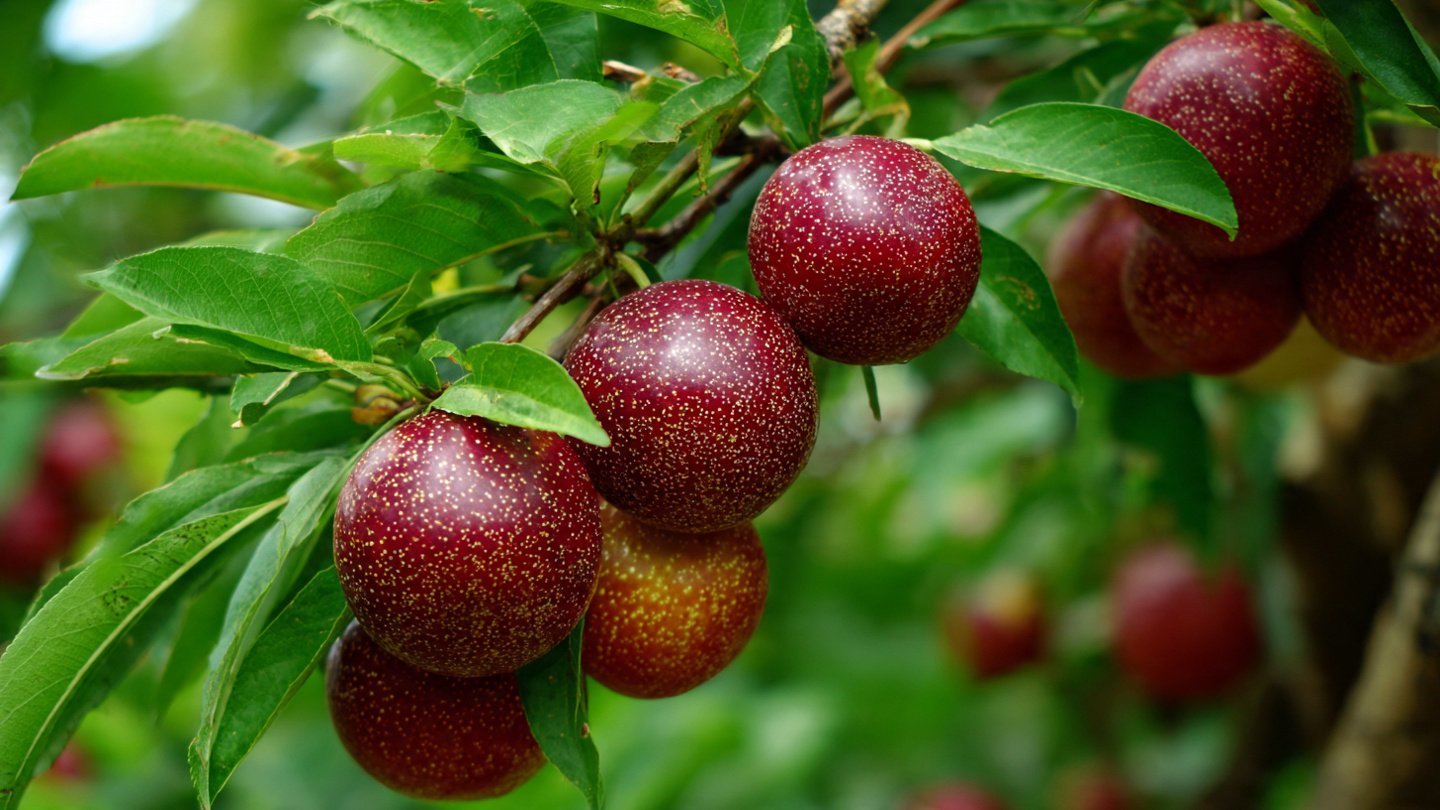
If you’ve ever dreamed of having your own backyard orchard but were intimidated by towering trees and sprawling roots, you’ll be delighted to know that many fruit trees are naturally compact—or can be trained to remain small—while still producing abundant fruit. These space-saving trees are perfect for small gardens, patios, or even large containers. In this guide, we’ll explore the best compact fruit trees, their care requirements, and tips to help you enjoy a bountiful harvest year after year.
Why Choose Small Fruit Trees?
Small fruit trees offer a range of benefits for gardeners with limited space:
- Easier Harvesting: Fruit is within arm’s reach, making picking easier and safer.
- Better Sunlight Penetration: Smaller trees allow light to reach all branches, promoting even fruit ripening.
- Simpler Maintenance: Pruning, fertilizing, and pest control are less daunting when you’re not dealing with a massive tree.
- Container Gardening: Many dwarf varieties thrive in pots, making them suitable for decks, balconies, and patios.
Whether you’re interested in apples, peaches, cherries, or citrus, there’s a compact fruit tree to suit your space and climate.
Popular Small Fruit Trees That Pack a Punch
1. Dwarf Apple Trees
Dwarf apple trees, often classified as “spur-bearing” or “semi-dwarf,” typically grow 6–10 feet tall, compared to standard apples that can reach 20 feet or more. Despite their size, these trees can produce hundreds of pounds of apples each season. Varieties like ‘Honeycrisp,’ ‘Gala,’ and ‘Fuji’ are perfect for small yards. For best results:
- Plant in full sun (at least 6 hours/day).
- Use well-draining soil enriched with compost.
- Prune annually to maintain shape and encourage fruiting.
2. Dwarf Peach Trees
If you love juicy peaches, dwarf peach trees are a great option. They usually reach 8–10 feet in height and can be grown in the ground or containers. Varieties such as ‘Elberta,’ ‘Bonanza,’ and ‘Garden Gold’ offer sweet, flavorful fruits in midsummer. Tips for success:
- Peaches need plenty of sun and warmth.
- Thin fruit to prevent branches from breaking.
- Apply a balanced fertilizer in early spring.
3. Miniature Cherry Trees
Cherries are often associated with large orchards, but miniature cherry trees can fit into small gardens without sacrificing yield. Dwarf varieties like ‘Stella,’ ‘Carmine Jewel,’ and ‘North Star’ are hardy, disease-resistant, and produce a significant harvest. Cherry trees prefer:
- Well-drained, slightly acidic soil.
- Full sun exposure for at least 6–8 hours per day.
- Annual pruning to maintain size and shape.
4. Citrus Trees for Small Spaces
Many citrus trees naturally stay compact and are ideal for container growing. Lemon, lime, kumquat, and calamondin orange trees thrive in pots, making them perfect for patios or sunrooms. Advantages of citrus trees:
- Attractive foliage and fragrant flowers.
- Fruit production can occur year-round in warm climates or indoors.
- Respond well to container culture with regular watering and feeding.
5. Fig Trees
Fig trees are a versatile choice for small gardens. Certain varieties like ‘Petite Negra,’ ‘Little Miss Figgy,’ and ‘Celeste’ grow 6–10 feet tall and yield sweet, rich fruit. They adapt well to pots or raised beds and require minimal maintenance once established. Key care tips:
- Plant in full sun with well-draining soil.
- Prune lightly in late winter.
- Water regularly but avoid waterlogging.
Tips for Maximizing Fruit Production on Small Trees
Even small trees can produce impressive yields if given proper care. Here are expert tips to help your compact fruit trees thrive:
- Proper Pruning: Prune annually to remove dead branches and maintain an open canopy. This improves airflow and sunlight penetration, which reduces disease risk and encourages fruiting.
- Fertilization: Use a balanced fertilizer suitable for fruit trees. Over-fertilizing can lead to excessive leafy growth at the expense of fruit.
- Pollination: Some trees, like apples and cherries, require cross-pollination to bear fruit. Plant compatible varieties nearby, or choose self-pollinating cultivars if space is tight.
- Watering: Young trees need consistent moisture to establish roots. Mature trees benefit from deep, infrequent watering rather than shallow, frequent watering.
- Container Care: If growing in pots, ensure proper drainage and choose a container large enough for the tree’s root system. Repot every 2–3 years with fresh soil.
- Pest and Disease Management: Smaller trees are easier to monitor. Keep an eye out for aphids, scale, and fungal infections. Organic sprays or neem oil can help control common issues.
Creative Ways to Grow Fruit Trees in Small Spaces
Even if your yard is tiny, you can still enjoy fresh fruit by using creative growing techniques:
- Espalier: Train trees to grow flat against a wall or fence, which maximizes sunlight exposure and saves space.
- Vertical Gardening: Use trellises or supports for certain fruit trees, like figs or peaches, to grow vertically.
- Container Gardening: Patio pots, half-barrels, and large planters allow you to grow dwarf citrus, apple, or pear trees on decks or balconies.
- Raised Beds: Improve soil quality and drainage while keeping trees contained and manageable.
Best Small Fruit Trees by Climate
Temperate Climates
- Dwarf apple trees
- Miniature cherry trees
- Dwarf peach and plum trees
Warm, Mediterranean Climates
- Citrus trees
- Fig trees
- Pomegranate trees
Cold Climates
- Hardy dwarf apple and pear trees
- Cold-tolerant cherry varieties
- Certain plum and apricot cultivars
Harvesting and Enjoying Your Compact Orchard
Harvesting fruit from small trees is a joy. Because the trees are accessible, it’s easy to pick ripe fruit without ladders or tools. Here are a few pointers:
- Pick fruit at peak ripeness for maximum flavor.
- Regular harvesting encourages more blooms and fruit set.
- Preserve surplus fruit by canning, freezing, or making jams.
A small orchard doesn’t just provide fruit—it also enhances the beauty of your garden. Blossoms attract pollinators, and lush foliage creates a serene, green environment right outside your door.
Conclusion
Growing fruit trees doesn’t require a sprawling backyard. By selecting dwarf or naturally small varieties, you can enjoy bountiful harvests without sacrificing space. From apples and peaches to citrus and figs, small fruit trees offer abundant rewards and a lifetime of gardening satisfaction. With proper care, pruning, and attention to sunlight and soil conditions, even the tiniest yard can become a fruitful oasis.
Investing in compact fruit trees is more than just gardening—it’s a lifestyle choice that brings fresh, homegrown produce to your table while enhancing the beauty and vibrancy of your outdoor space. Whether you’re a beginner gardener or an experienced horticulturist, small fruit trees offer a big return in flavor, joy, and garden satisfaction.