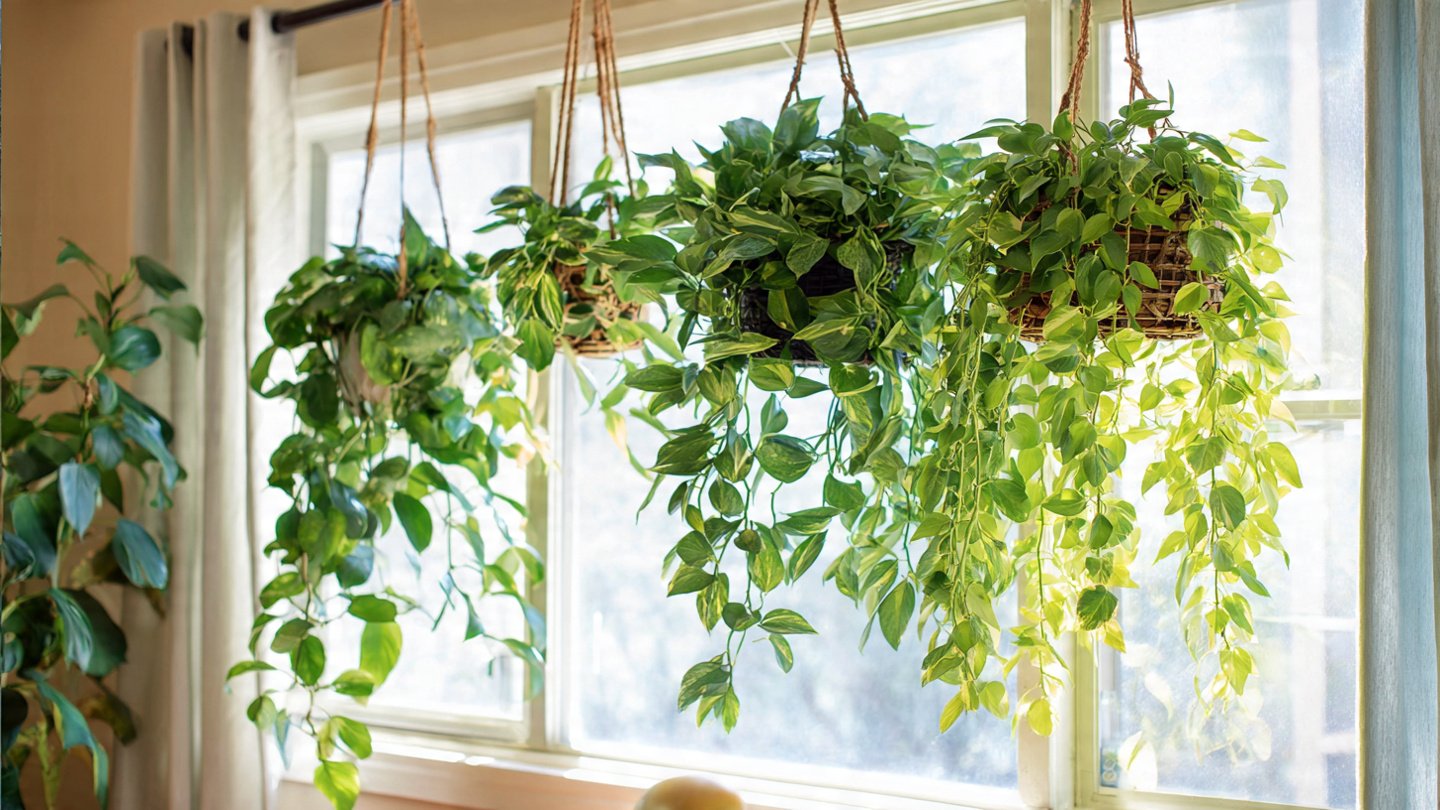
Indoor plants have always been a go-to for adding life and vibrancy to our living spaces. While most people are familiar with the likes of monstera, fiddle leaf figs, or snake plants, there exists an exquisite variety of lesser-known indoor plants that can completely transform a room with their unique foliage and striking colors. These rare beauties not only serve as natural decor but also improve air quality and create a calming environment. Here’s a guide to some of these hidden gems and how to care for them.
1. Calathea ‘White Fusion’
Calathea ‘White Fusion’ is a showstopper with its dramatic foliage. The leaves are a stunning combination of deep green, white, and silver, often with speckled patterns that resemble abstract art. Unlike many other indoor plants, the vibrant colors of Calathea ‘White Fusion’ are accentuated in moderate, indirect light. This plant prefers high humidity and consistently moist soil, making it ideal for bathrooms or kitchens with ample indirect sunlight.
Caring Tip: Avoid direct sunlight, which can burn its leaves, and mist regularly to maintain humidity. This plant’s visual appeal lies in its intricate leaf patterns, making it a conversation starter in any room.
2. Alocasia ‘Polly’ (African Mask Plant)
Alocasia ‘Polly’ is famous for its bold, arrow-shaped leaves with deep green color and striking white veins. This plant is perfect for dramatic interior statements and works wonderfully in minimalist or modern spaces. Its sculptural form gives height and dimension, making it a natural focal point.
Caring Tip: Alocasias thrive in bright, indirect light and require consistently moist soil. Be careful not to overwater, as soggy soil can cause root rot. With the right care, Alocasia ‘Polly’ will reward you with elegant foliage that looks almost sculpted.
3. Aglaonema ‘Siam Aurora’ (Red Aglaonema)
For indoor plant enthusiasts who crave color, the Aglaonema ‘Siam Aurora’ delivers a punch of fiery red and pink hues. The leaves are broad, glossy, and streaked with vibrant shades that brighten any corner. This plant is not only visually striking but also easy to care for, making it perfect for beginners looking to add a splash of color.
Caring Tip: Aglaonema prefers low to medium indirect light and requires moderate watering. Its adaptability makes it a favorite among apartment dwellers and offices alike.
4. Begonia Maculata (Polka Dot Begonia)
The Begonia Maculata, or Polka Dot Begonia, is a rare treasure with silver-spotted leaves and vibrant red undersides. Its asymmetrical, wing-like leaves create a playful, whimsical aesthetic that stands out in any interior. The contrasting colors make it one of the most visually captivating indoor plants.
Caring Tip: Begonia Maculata thrives in bright, indirect light and benefits from well-draining soil. Mist occasionally and avoid overwatering to prevent fungal issues. Its unique foliage is perfect for shelves, side tables, or hanging baskets.
5. Caladium ‘Red Flash’
Caladiums are known for their heart-shaped, vividly colored leaves, but the ‘Red Flash’ variety takes it to another level. Its leaves burst with shades of red, pink, and green, instantly transforming dull spaces into vibrant focal points. While Caladiums are often grown as seasonal plants, they can thrive indoors with the right care.
Caring Tip: Keep this plant in a warm spot with indirect sunlight. Water regularly to maintain moist soil, and provide occasional fertilizer during the growing season. Its dramatic leaf colors make it ideal for living rooms or sunrooms.
6. Streptocarpus (Cape Primrose)
Streptocarpus, also known as Cape Primrose, is a flowering indoor plant that produces delicate, trumpet-shaped blooms in shades of purple, pink, and blue. Unlike many flowering houseplants, Streptocarpus can bloom almost year-round when kept in optimal conditions. Its compact size makes it perfect for windowsills, desks, or small apartments.
Caring Tip: These plants thrive in bright, indirect light and need well-draining soil. Avoid waterlogging, and remove faded flowers to encourage continuous blooming. Streptocarpus adds a soft yet vibrant touch to any indoor space.
7. Hoya Kerrii (Sweetheart Plant)
Hoya Kerrii is known for its adorable heart-shaped leaves, which make it a favorite among romantics and plant collectors alike. While it grows slowly, its thick, succulent leaves have a glossy sheen that catches the light beautifully. This plant is often sold as a single leaf in small pots, but with time, it can develop into a full trailing vine, adding charm and greenery to shelves or hanging planters.
Caring Tip: Hoya Kerrii prefers bright, indirect sunlight and infrequent watering. Its succulent nature allows it to store water, making it low-maintenance yet visually appealing.
8. Peperomia Clusiifolia ‘Jelly’ (Red Edge Peperomia)
Peperomia Clusiifolia ‘Jelly’ boasts thick, succulent-like leaves edged with striking red, adding warmth and intensity to indoor spaces. Its compact growth habit makes it perfect for desktops or small corners where a pop of color is needed.
Caring Tip: Provide moderate, indirect light and water only when the soil feels dry. Overwatering can cause root rot, but under proper care, this plant will maintain its vibrant, glossy foliage for years.
Why Rare Indoor Plants Are Worth It
Rare indoor plants are more than just decorative. Their unique forms, textures, and colors bring personality to a room that standard houseplants often cannot. Here’s why they’re worth considering:
- Visual Impact: Bold colors and unique shapes can serve as living artwork.
- Air Purification: Many rare plants clean the air, removing toxins and improving indoor air quality.
- Mood Enhancement: Bright, vibrant plants have been shown to reduce stress and improve mood.
- Conversation Starters: Guests are often fascinated by unusual foliage, making these plants social icebreakers.
Tips for Displaying Rare Plants
- Choose the Right Lighting: Each plant has specific light requirements. Knowing whether your space gets low, medium, or bright indirect light is crucial.
- Match Pot Styles: Complement vibrant leaves with neutral or contrasting pots to make the colors pop.
- Group Plants for Drama: Combining different textures and colors creates a mini indoor jungle effect.
- Consider Height and Scale: Taller plants like Alocasia can serve as a focal point, while smaller ones like Hoya Kerrii or Streptocarpus can adorn tables and shelves.
Final Thoughts
Rare indoor plants are more than just greenery—they’re living art pieces that elevate any interior with color, texture, and personality. Whether you’re looking for dramatic foliage, vibrant blooms, or quirky leaf shapes, adding one or two of these rare plants can transform your space into an indoor oasis. Investing in these unique plants not only enhances the aesthetics of your home but also provides the mental and emotional benefits of being surrounded by nature.
So the next time you’re searching for a show-stopping houseplant, look beyond the common options. Embrace the rare, the vibrant, and the extraordinary—and watch as your living space comes alive in ways you never imagined.