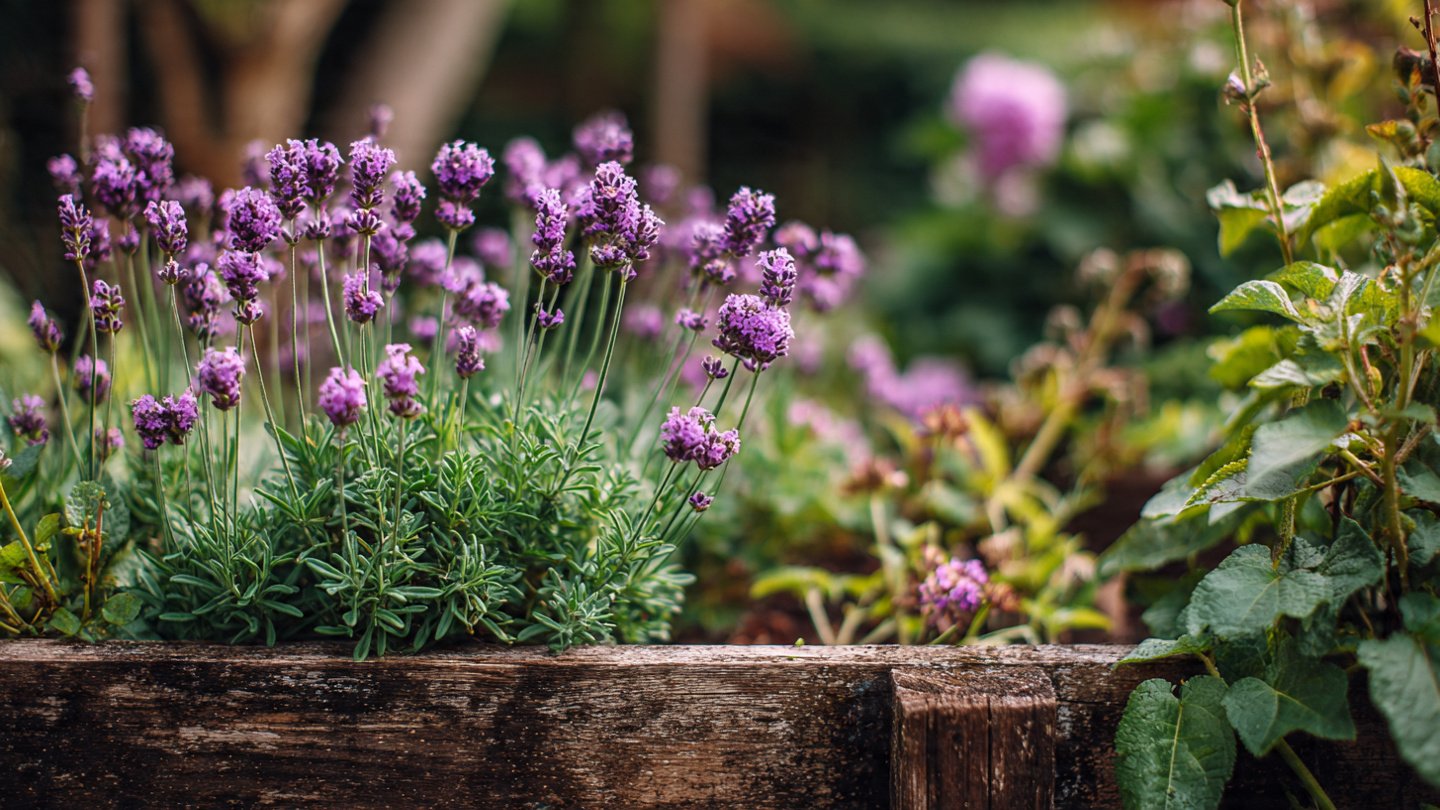
Gardening is more than just a hobby; it’s a lifestyle that allows you to cultivate not only beauty but also flavor and utility right in your backyard. One of the best ways to enhance your garden’s value is by planting perennial herbs. Unlike annual herbs, which complete their life cycle in a single season, perennial herbs come back year after year, providing consistent flavor, fragrance, and health benefits with minimal effort.
Whether you’re a seasoned gardener or just starting, incorporating perennial herbs into your garden can elevate your cooking, offer medicinal uses, and even attract pollinators. Here are four perennial herbs you should definitely consider planting in your garden.
1. Rosemary: The Aromatic Evergreen
Rosmarinus officinalis, commonly known as rosemary, is a hardy herb that thrives in well-drained soil and full sun. Its needle-like leaves release a robust, piney aroma that can enhance roasted meats, potatoes, and even bread.
Why Plant Rosemary:
- Low Maintenance: Once established, rosemary requires minimal watering and care.
- Winter-Hardy: In many climates, rosemary remains evergreen throughout the winter, adding visual interest to your garden.
- Health Benefits: Rosemary contains antioxidants and compounds that can improve digestion and memory.
Planting Tips:
- Choose a sunny spot with good air circulation.
- Avoid overwatering, as rosemary is prone to root rot.
- Trim regularly to encourage bushy growth.
Adding rosemary to your garden not only provides fresh leaves for cooking but also acts as a natural insect repellent, keeping pests at bay.
2. Thyme: The Tiny, Flavor-Packed Herb
Thyme (Thymus vulgaris) is a versatile perennial herb that’s perfect for both culinary and ornamental purposes. Its small, aromatic leaves are commonly used in Mediterranean dishes, soups, and roasted vegetables.
Benefits of Growing Thyme:
- Drought-Tolerant: Once established, thyme can withstand dry conditions.
- Pollinator-Friendly: Thyme flowers attract bees and other beneficial insects.
- Medicinal Uses: Thyme has antiseptic and antimicrobial properties, making it useful in home remedies for coughs and colds.
Planting Tips:
- Plant thyme in well-drained soil, preferably sandy or loamy.
- Give it full sun for optimal flavor and growth.
- Harvest by snipping stems just above a leaf node to encourage new growth.
Thyme is a perfect choice for borders, rock gardens, or even container gardening. Its creeping varieties can serve as a fragrant ground cover between stepping stones.
3. Sage: The Culinary and Medicinal Powerhouse
Sage (Salvia officinalis) is a perennial herb known for its soft, gray-green leaves and slightly peppery flavor. It’s a staple in traditional holiday dishes like stuffing, roasted poultry, and savory sauces.
Why You Should Grow Sage:
- Long-Lived: Sage plants can live for many years if properly cared for.
- Attracts Pollinators: Bees and butterflies are drawn to its vibrant purple flowers.
- Medicinal Uses: Sage is known for its anti-inflammatory and antioxidant properties.
Planting Tips:
- Sage prefers full sun and well-drained soil.
- Space plants at least 18 inches apart to allow airflow.
- Prune old, woody stems to rejuvenate the plant and encourage new growth.
Sage is not only useful in the kitchen but also adds a textured, silvery touch to garden beds. Its fragrant leaves can even be dried and used for sachets or natural air fresheners.
4. Mint: The Fast-Growing and Refreshing Herb
Mint (Mentha spp.) is a hardy perennial that’s famous for its refreshing aroma and versatility. From teas and cocktails to desserts and sauces, mint can elevate a variety of culinary creations.
Advantages of Growing Mint:
- Rapid Growth: Mint spreads quickly, making it an abundant source of leaves.
- Versatile: Perfect for drinks, salads, and even homemade skincare remedies.
- Pest-Repellent: Its strong aroma can deter ants and other unwanted insects.
Planting Tips:
- Mint grows best in partial to full sun but prefers moist soil.
- Plant in containers or use barriers to prevent it from overtaking other plants.
- Regularly harvest leaves to keep the plant manageable and encourage new growth.
While mint is easy to grow, it’s important to control its spread, as it can quickly dominate garden spaces. Container planting is a popular solution to maintain balance.
Why Choose Perennial Herbs?
Choosing perennial herbs for your garden is not only convenient but also environmentally friendly. Here’s why:
- Reduced Maintenance: Unlike annuals, perennial herbs don’t require replanting every year. Once established, they need minimal care.
- Consistent Harvest: You can enjoy fresh herbs year after year without the worry of starting from seed.
- Attract Beneficial Wildlife: Many perennial herbs produce flowers that attract pollinators and other beneficial insects.
- Aesthetic Value: These herbs can add texture, color, and fragrance to your garden throughout the seasons.
By planting rosemary, thyme, sage, and mint, you’re cultivating a garden that is both functional and beautiful. You’ll enjoy fresh ingredients for cooking, natural remedies, and a fragrant outdoor space that enhances your well-being.
Tips for Successfully Growing Perennial Herbs
- Choose the Right Location: Most perennial herbs thrive in sunny, well-drained areas. Assess your garden space for sunlight and soil quality before planting.
- Prepare the Soil: Enrich the soil with compost or organic matter to support strong root growth. Avoid overly fertile soil for herbs like rosemary, which prefer leaner soil.
- Water Wisely: While young plants need regular watering, established perennials often require less frequent watering. Overwatering can be more harmful than underwatering.
- Regular Pruning: Keep herbs healthy and productive by pruning regularly. This encourages bushier growth and prevents woody stems.
- Pest Management: While herbs are generally pest-resistant, keep an eye out for aphids or fungal issues. Companion planting can help reduce pest problems naturally.
Final Thoughts
Perennial herbs are a gardener’s delight. They are resilient, low-maintenance, and bring immense value to both your kitchen and garden. By planting rosemary, thyme, sage, and mint, you’re investing in a garden that keeps giving year after year. Not only will you have a steady supply of fresh herbs, but you’ll also enjoy a fragrant, vibrant garden that attracts pollinators and enhances your outdoor space.
Whether you are growing herbs for cooking, medicinal purposes, or simply for their beauty, these perennial favorites are a must-have in any garden. Start small, care consistently, and watch as your herb garden flourishes season after season.