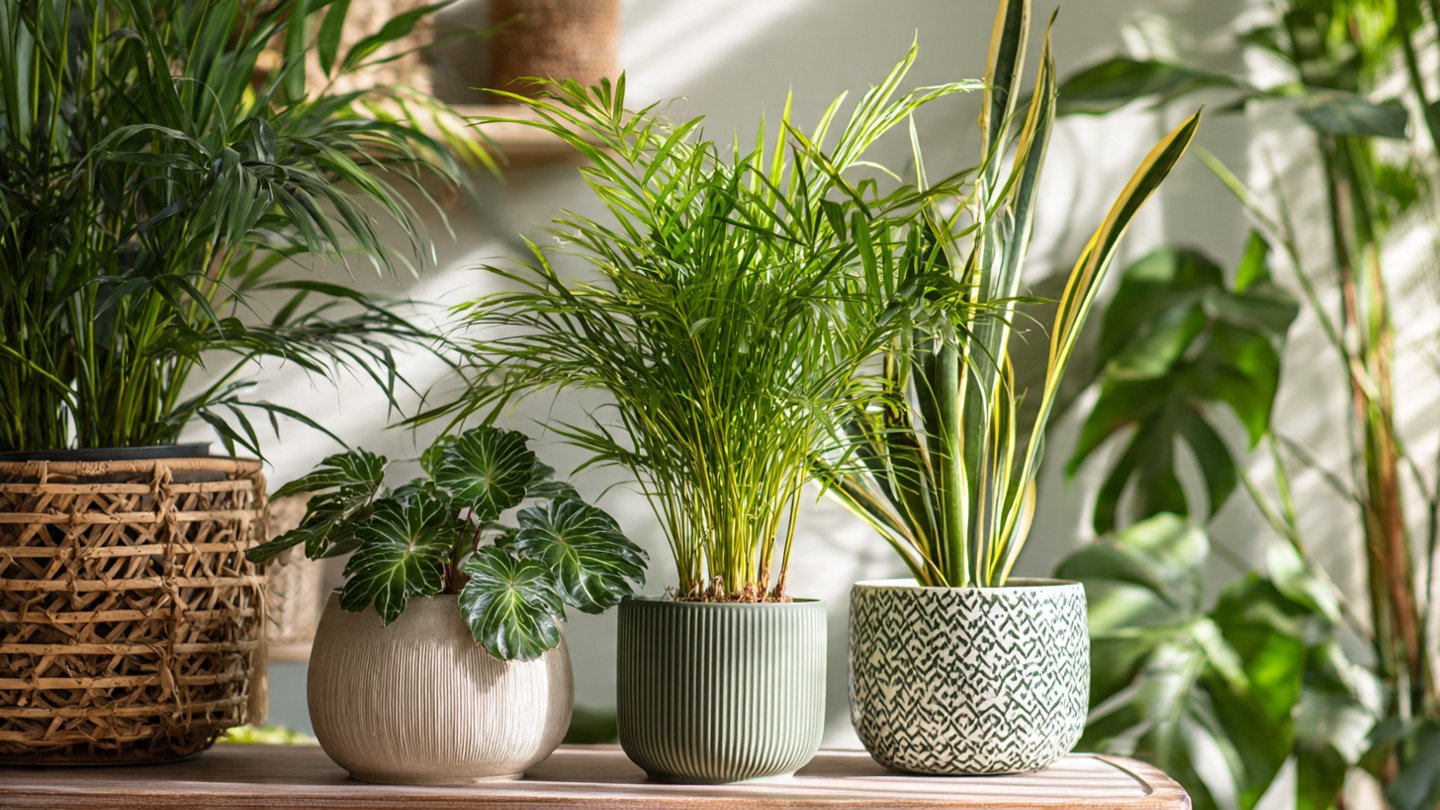
For many indoor plant lovers, the biggest challenge is low-light conditions. Not every home or office space gets abundant natural sunlight, and yet we crave greenery to brighten our environment. Fortunately, there are plenty of plants that thrive in low-light areas and require minimal maintenance, making them perfect for beginners or anyone with a busy lifestyle. Here, we explore 17 easy-care plants that don’t need sunlight and provide tips to keep them happy indoors.
1. Snake Plant (Sansevieria)
Snake plants are nearly indestructible. They can survive in almost any lighting condition, from bright indirect light to dim corners. They require infrequent watering and can go weeks without attention. Snake plants also improve indoor air quality by filtering toxins.
2. ZZ Plant (Zamioculcas zamiifolia)
ZZ plants are ideal for low-light spaces because their thick, waxy leaves store water, allowing them to endure neglect. They can thrive under fluorescent lights, making them perfect for offices or rooms without windows. Water only when the soil is completely dry.
3. Pothos (Epipremnum aureum)
Pothos is a trailing plant famous for its heart-shaped leaves and tolerance to low light. It’s incredibly adaptable, growing in soil or water. Occasional pruning keeps it neat, and it can grow long vines that add a lush feel to shelves or hanging baskets.
4. Peace Lily (Spathiphyllum)
Peace lilies are elegant plants that survive in dimly lit areas. They bloom even indoors, producing white flowers that contrast beautifully against dark green leaves. Keep the soil slightly moist and occasionally wipe the leaves to remove dust.
5. Cast Iron Plant (Aspidistra elatior)
True to its name, the cast iron plant is tough and resilient. It tolerates neglect, low humidity, and low light, making it perfect for spots where other plants struggle. Water sparingly, and it will reward you with glossy, deep green leaves.
6. Chinese Evergreen (Aglaonema)
Chinese evergreens are available in various leaf colors and patterns, adding visual interest to any room. They thrive in indirect light and are forgiving if watering is inconsistent. These plants are particularly popular for offices due to their adaptability.
7. Dracaena
Dracaenas are a versatile group of plants that adapt well to indoor conditions. They come in several varieties, such as the corn plant or the dragon tree. Low light will slow growth but won’t harm the plant. Water when the top inch of soil dries out.
8. Spider Plant (Chlorophytum comosum)
Spider plants are resilient, easy to propagate, and do well in moderate to low light. They produce baby plantlets that can be potted or shared with friends. Avoid overwatering, and your spider plant will flourish for years.
9. Heartleaf Philodendron (Philodendron hederaceum)
Heartleaf philodendrons are trailing plants that tolerate low light and occasional neglect. Their vibrant green leaves brighten spaces without direct sunlight. They’re perfect for hanging baskets or high shelves where vines can cascade naturally.
10. Parlor Palm (Chamaedorea elegans)
The parlor palm is a slow-growing palm that tolerates indoor conditions with low light and low humidity. Its graceful fronds add a tropical vibe to any room, and it requires minimal care—just occasional watering and dusting.
11. Boston Fern (Nephrolepis exaltata)
Boston ferns prefer indirect or filtered light and high humidity. While they can survive in low-light conditions, they thrive with regular misting. Their lush, arching fronds make them excellent for hanging baskets or as accent plants on stands.
12. Calathea
Calatheas are loved for their striking patterned leaves, which can fold or move in response to light. They tolerate indirect light but do best in filtered or shaded environments. Keep the soil slightly moist, and avoid drafts or sudden temperature changes.
13. Maidenhair Fern (Adiantum)
Maidenhair ferns have delicate, feathery leaves and prefer indirect light. They thrive in bathrooms or kitchens where humidity is higher. Consistent moisture is key; never let the soil dry out completely.
14. Rubber Plant (Ficus elastica)
Rubber plants are low-maintenance and adaptable. They prefer moderate light but can survive in low-light conditions, making them suitable for bright or dim interiors. Wipe the leaves occasionally to maintain their shine.
15. Dracaena Janet Craig
A specific variety of dracaena, Janet Craig is known for tolerating low light better than most houseplants. It grows upright with broad, deep green leaves, making it a striking addition to any room. Water moderately, allowing the soil to dry between watering.
16. Moss
Moss is a unique low-light plant that thrives in shade and high humidity. Perfect for terrariums or as ground cover in decorative pots, moss adds a soft, lush texture to indoor arrangements. Mist it regularly to keep it vibrant.
17. Lucky Bamboo (Dracaena sanderiana)
Lucky bamboo isn’t a true bamboo but a resilient dracaena. It can grow in water or soil, tolerates low light, and adds a modern touch to indoor spaces. Rotate it occasionally to keep growth even, and change water weekly if grown hydroponically.
Tips for Low-Light Plant Success
- Avoid Overwatering: Most low-light plants grow slower and use less water. Check the soil before watering.
- Rotate Plants Occasionally: Even low-light plants benefit from some indirect sunlight now and then.
- Use Artificial Lighting if Needed: Fluorescent or LED grow lights can supplement light for darker spaces.
- Clean the Leaves: Dust can block light absorption, so wipe leaves gently with a damp cloth.
- Group Plants Together: Grouping plants can increase humidity and create a visually appealing display.
Final Thoughts
Low-light indoor plants are not only beautiful but also forgiving, making them ideal for beginners or busy plant parents. From the resilient snake plant to the delicate maidenhair fern, there’s a low-maintenance option for every indoor space. Incorporating these 17 easy-care plants can transform dim corners into vibrant, lush sanctuaries with minimal effort. Whether it’s for your home, office, or dorm room, these greenery options prove that lack of sunlight is no obstacle to creating a thriving indoor garden.