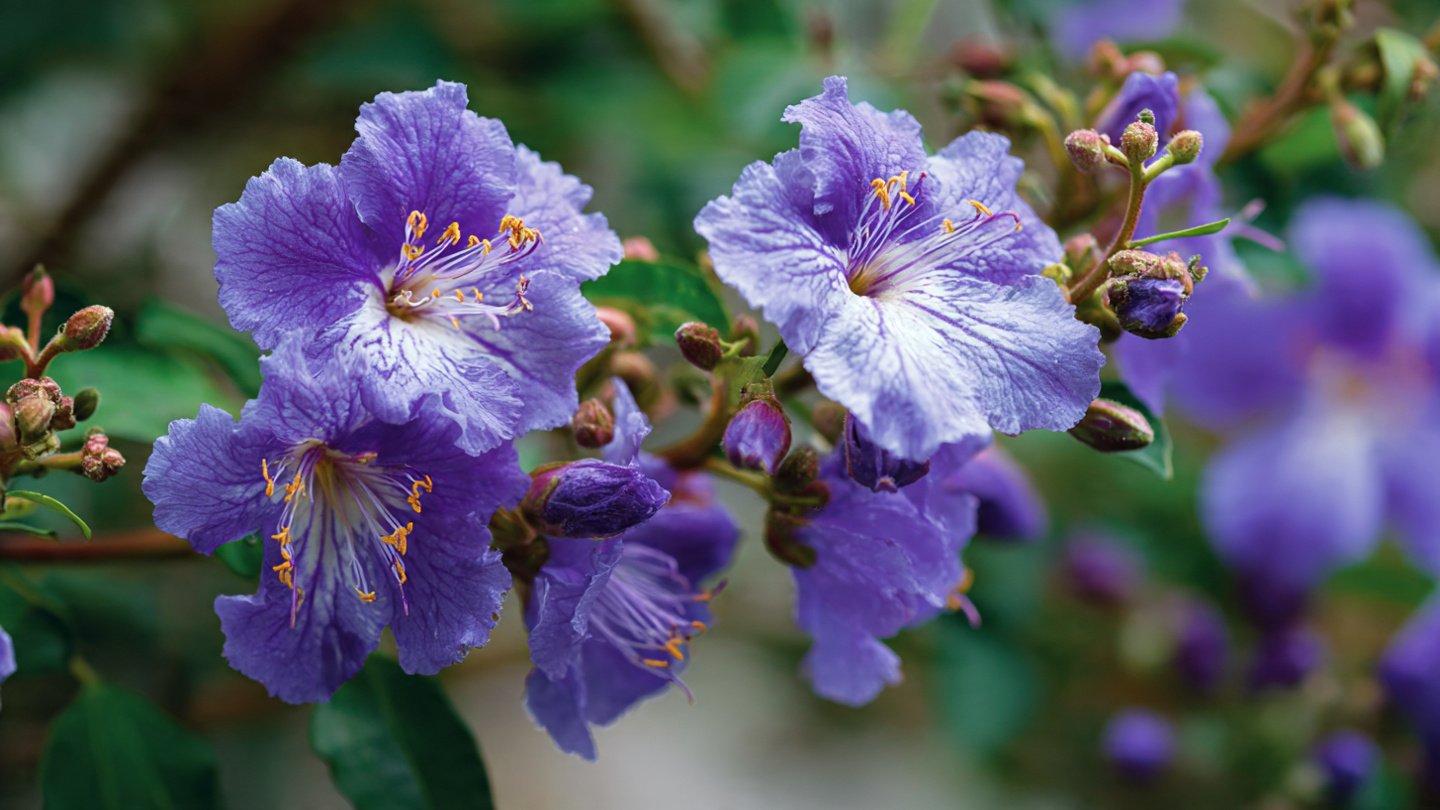
11 Fragrant Plants to Grow: Fill Your Home and Garden with Natural Perfum
There’s nothing quite like the subtle, enchanting fragrance of flowers and herbs to elevate a home or garden. Natural scents can evoke memories, calm the mind, and even improve wellbeing. Instead of relying solely on artificial air fresheners, growing fragrant plants can transform both your indoor spaces and outdoor garden into aromatic havens. Here are 11 plants that are perfect for bringing natural perfume into your life.
1. Lavender (Lavandula angustifolia)
Lavender is a classic when it comes to fragrance. Its soothing scent is often used in aromatherapy to reduce stress and promote sleep. Lavender thrives in sunny locations with well-drained soil. It’s also incredibly versatile—perfect for outdoor borders, container gardens, or even dried for sachets and potpourri. Varieties like ‘Hidcote’ and ‘Munstead’ are compact and highly aromatic, making them ideal for small spaces.
Tips for growing:
- Plant in full sun.
- Avoid overwatering; lavender prefers dry conditions.
- Prune after flowering to maintain shape and encourage bushiness.
2. Jasmine (Jasminum spp.)
Jasmine is beloved for its sweet, intoxicating scent, which is strongest in the evening. Some varieties, such as Jasminum sambac, produce flowers that are perfect for tea or perfumes. Jasmine can be grown as a climbing vine or shrub, making it a great choice for trellises, fences, or even indoor pots with support.
Tips for growing:
- Provide bright, indirect light if indoors; full sun outdoors.
- Support climbing varieties with a trellis or wall.
- Water regularly but ensure proper drainage to avoid root rot.
3. Gardenia (Gardenia jasminoides)
Gardenias are prized for their creamy, heady blooms that release a rich, tropical fragrance. These shrubs are ideal for warm climates and thrive in acidic, well-drained soil. They make stunning container plants for patios or indoors with bright light.
Tips for growing:
- Keep soil consistently moist, but not soggy.
- Place in bright, indirect sunlight if grown indoors.
- Fertilize with acidic fertilizer during the growing season.
4. Sweet Alyssum (Lobularia maritima)
Sweet Alyssum may be small, but its flowers pack a punch when it comes to scent. The delicate clusters of white, pink, or purple flowers emit a honey-like aroma that’s particularly noticeable in the evening. It works wonderfully as ground cover, in hanging baskets, or along garden edges.
Tips for growing:
- Plant in full sun to partial shade.
- Deadhead spent flowers to prolong blooming.
- Prefers well-draining soil and moderate watering.
5. Mint (Mentha spp.)
Mint is a fragrant herb with a refreshing scent perfect for kitchens or herb gardens. Its versatility is unmatched—you can use it for cooking, teas, and even natural insect repellents. Mint spreads quickly, so it’s best grown in containers to prevent it from overtaking your garden.
Tips for growing:
- Keep in partial to full sun.
- Water consistently to keep soil moist.
- Consider planting in a pot to contain aggressive growth.
6. Roses (Rosa spp.)
No list of fragrant plants would be complete without roses. While some modern varieties prioritize visual appeal, many old-fashioned roses are bred for their scent. Choose varieties like Damask or Musk Roses for the most aromatic flowers. Roses can be grown in beds, borders, or containers.
Tips for growing:
- Plant in full sun with rich, well-draining soil.
- Prune annually to maintain health and shape.
- Mulch to retain moisture and protect roots.
7. Heliotrope (Heliotropium arborescens)
Heliotrope produces clusters of purple or white flowers that smell like vanilla, making it a favorite in both gardens and homes. It’s a tender perennial that thrives in sunny locations and adds a sweet aroma to patios, balconies, or indoor spaces with bright light.
Tips for growing:
- Full sun exposure for best flowering.
- Keep soil evenly moist.
- Pinch back tips to encourage bushy growth.
8. Lilac (Syringa vulgaris)
Lilacs are iconic for their sweet, nostalgic fragrance. These shrubs bloom in late spring, filling gardens with powerful floral scents. They are ideal for creating a fragrant border or backdrop and work well in larger gardens or parks.
Tips for growing:
- Plant in full sun for maximum fragrance.
- Well-drained, slightly alkaline soil is preferred.
- Prune immediately after flowering to shape and encourage blooms.
9. Rosemary (Rosmarinus officinalis)
Rosemary is not only a culinary herb but also a highly fragrant plant that fills the air with a piney, herbal scent. It grows well in containers, garden beds, or even as a small indoor shrub if given enough light. Its scent can also help deter pests naturally.
Tips for growing:
- Full sun and well-drained soil are essential.
- Avoid overwatering; rosemary prefers drier conditions.
- Trim regularly to maintain shape and promote growth.
10. Peonies (Paeonia spp.)
Peonies are celebrated for their lush, fragrant blooms. The scent ranges from sweet and rosy to citrusy, depending on the variety. Peonies are hardy perennials that can live for decades, providing a long-lasting source of fragrance in your garden.
Tips for growing:
- Plant in full sun with rich, well-draining soil.
- Stake taller varieties to prevent flopping.
- Avoid disturbing roots; peonies prefer to be left in place.
11. Tuberose (Polianthes tuberosa)
Tuberose is a tropical perennial known for its strong, heady fragrance, especially at night. It produces long spikes of white flowers and is often used in perfumery. Tuberose bulbs can be grown in pots or garden beds, and they are perfect for adding a romantic scent to evening gardens.
Tips for growing:
- Plant bulbs in full sun with well-draining soil.
- Water moderately; avoid waterlogging.
- Lift bulbs in colder climates to overwinter indoors.
Bringing Fragrance Indoors
Many of these plants can be grown indoors in containers, providing natural perfume for your home. Lavender, rosemary, and jasmine thrive in sunny windowsills, while gardenias and tuberoses can add luxurious scents to living spaces. Additionally, pairing fragrant plants with other visual elements, like colorful blooms or textured foliage, creates a multi-sensory experience.
Creating a Fragrant Garden
- Mix bloom times: Plant a combination of early, mid, and late-season bloomers to ensure year-round fragrance.
- Consider scent layering: Combine strong fragrances like tuberose or gardenia with lighter scents like sweet alyssum to avoid overwhelming the senses.
- Plant near paths and seating areas: This allows you to enjoy the aroma up close.
- Use containers for control: Herbs like mint or oregano are easier to manage in pots, preventing them from spreading aggressively.
Final Thoughts
A fragrant garden or home isn’t just about aesthetics—it’s about creating an environment that uplifts the senses and enhances wellbeing. Whether you’re drawn to the calming scent of lavender, the heady aroma of gardenias, or the sweet vanilla notes of heliotrope, these 11 plants offer endless opportunities to fill your spaces with natural perfume. By carefully selecting plants suited to your climate, light, and soil conditions, you can craft a fragrant haven that delights the senses year-round.