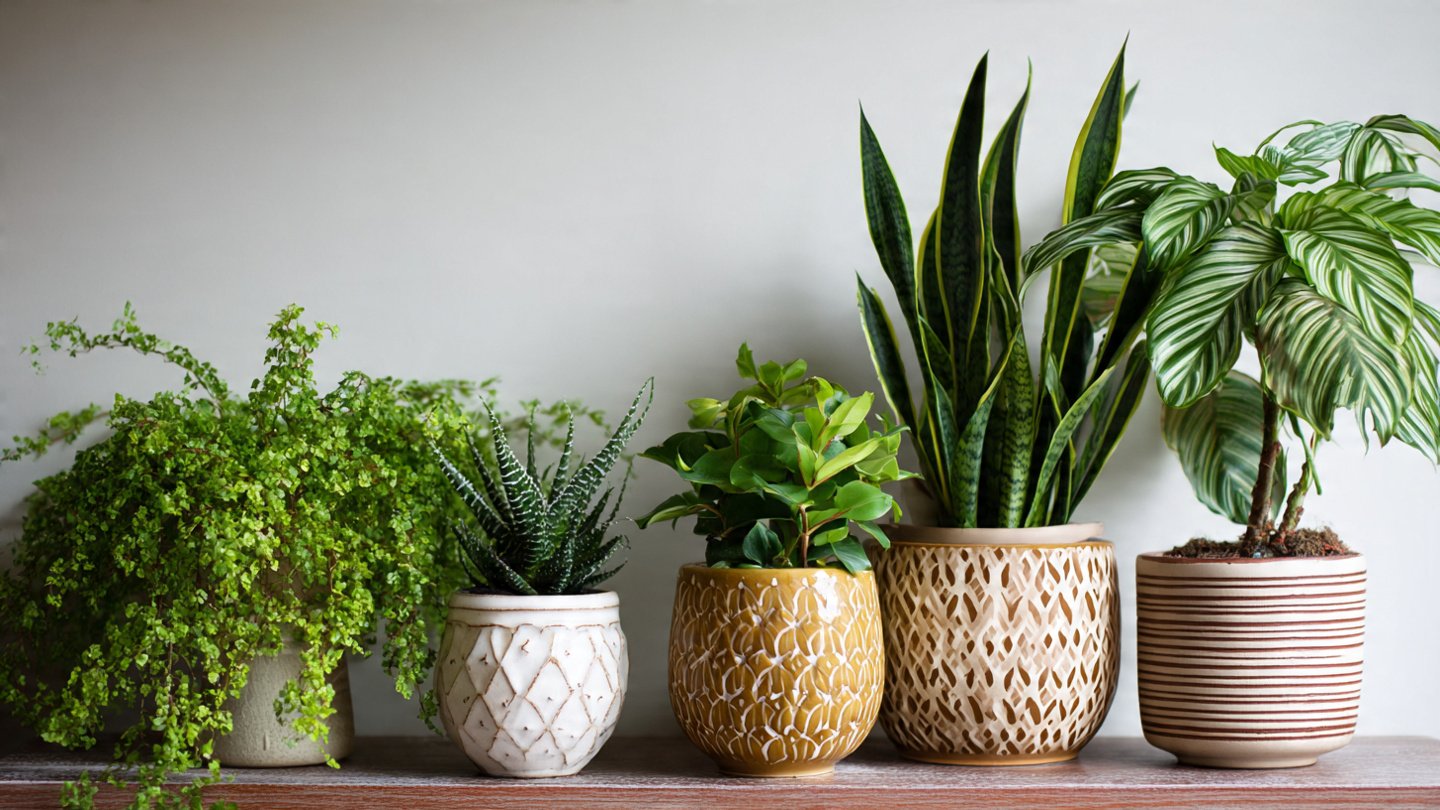
Houseplants have become an essential part of modern living, adding beauty, improving indoor air quality, and creating a sense of calm. While there are thousands of plant species suitable for indoor life, certain houseplants have earned widespread popularity for good reason. They’re easy to care for, adaptable to various indoor environments, and often offer stunning foliage or flowers.
In this article, we’ll explore 11 common houseplants that have become favorites among plant enthusiasts, gardeners, and interior designers alike — and explain what makes each of them so appealing.
1. Snake Plant (Sansevieria trifasciata)
The snake plant, also known as mother-in-law’s tongue, is a hardy plant celebrated for its upright, sword-like leaves and tolerance to neglect.
- Care: Thrives in low to bright indirect light, drought-tolerant
- Benefits: Improves air quality by filtering toxins such as formaldehyde and benzene
- Why popular: Extremely low-maintenance and visually striking
Snake plants are perfect for beginners and busy households, requiring minimal watering while adding a modern, architectural element to any room.
2. Pothos (Epipremnum aureum)
Pothos is a fast-growing trailing vine with heart-shaped leaves that come in shades of green, yellow, and variegated patterns.
- Care: Grows in low to bright light, forgiving of occasional missed watering
- Benefits: Excellent for hanging baskets, shelves, or climbing supports
- Why popular: Versatile and easy to propagate; ideal for draping greenery indoors
Its resilience and adaptability make pothos one of the most common and rewarding houseplants for both beginners and experienced plant owners.
3. Spider Plant (Chlorophytum comosum)
Spider plants are beloved for their arching, striped leaves and the “pups” they produce — small plantlets that can be easily propagated.
- Care: Prefers bright, indirect light, keeps well in average indoor temperatures
- Benefits: Known for air purification, removing pollutants like carbon monoxide
- Why popular: Easy to grow and produces baby plants, adding a fun propagation element
These plants are perfect for hanging baskets or high shelves, where their cascading leaves can make a bold visual impact.
4. Philodendron
Philodendrons are tropical plants with heart-shaped or split leaves, available in trailing or upright forms.
- Care: Thrives in medium to bright indirect light, moderate watering
- Benefits: Adaptable to a variety of indoor spaces, low-maintenance
- Why popular: Offers lush, tropical foliage and comes in numerous varieties, from the classic heartleaf to variegated forms like Philodendron Brasil
They are versatile plants suitable for desks, shelves, and floor displays, making them favorites in homes and offices alike.
5. Monstera Deliciosa
Also called the Swiss cheese plant, Monstera is famous for its large, perforated leaves that give any space a dramatic tropical feel.
- Care: Bright, indirect light; water when the top inch of soil is dry
- Benefits: Adds a bold aesthetic and statement foliage indoors
- Why popular: Combines visual impact with relatively easy care for a large indoor plant
Its unique leaves make it a trendy choice for interior designers and plant collectors alike.
6. Peace Lily (Spathiphyllum)
Peace lilies are admired for their glossy green leaves and elegant white flowers that bloom indoors.
- Care: Low to medium light, keeps soil consistently moist but not soggy
- Benefits: Known for excellent air purification and toxin removal
- Why popular: Easy to grow, produces beautiful flowers indoors, and tolerates low-light conditions
This plant is especially appealing for bedrooms and offices, bringing both beauty and a calming presence.
7. ZZ Plant (Zamioculcas zamiifolia)
ZZ plants are known for their waxy, dark green leaves and tolerance of neglect.
- Care: Thrives in low light, drought-tolerant
- Benefits: Low-maintenance and highly resilient
- Why popular: Ideal for beginners or those with minimal time to care for plants
ZZ plants can brighten corners or desks with their shiny, sculptural foliage without demanding constant attention.
8. Aloe Vera
Aloe vera is both an attractive succulent and a useful plant known for its medicinal properties.
- Care: Needs bright, indirect sunlight and occasional watering
- Benefits: Leaves contain gel that soothes burns and skin irritations
- Why popular: Combines aesthetic appeal with practical, medicinal use
This versatile plant thrives in kitchens, living rooms, or sunny windowsills, making it both decorative and functional.
9. Fiddle Leaf Fig (Ficus lyrata)
Fiddle leaf figs are large indoor trees with violin-shaped leaves and dramatic height potential.
- Care: Bright, filtered light, moderate watering, and good humidity
- Benefits: Makes a bold statement in interior design, often a centerpiece plant
- Why popular: Provides vertical impact and lush foliage for contemporary spaces
Though they require slightly more attention than other plants, their visual appeal makes them a favorite for living rooms and offices.
10. Boston Fern (Nephrolepis exaltata)
Boston ferns are classic, feathery plants that thrive in humidity and indirect light.
- Care: Prefers high humidity, regular watering, and indirect light
- Benefits: Adds softness and texture to spaces, helps purify air
- Why popular: Timeless aesthetic and graceful foliage make it a staple in hanging baskets and plant stands
They’re ideal for bathrooms, kitchens, or sunrooms where humidity is higher.
11. Calathea
Calatheas are striking foliage plants known for their patterned leaves and colorful undersides.
- Care: Medium to bright indirect light, keep soil evenly moist
- Benefits: Adds visual interest with bold patterns and leaf movements
- Why popular: Foliage is unique, decorative, and interactive, as some varieties fold leaves at night
Calatheas are perfect for plant enthusiasts who want dramatic foliage without flowers.
🌿 Why These Houseplants Are So Popular
These 11 plants share qualities that make them perennial favorites:
- Adaptability: They thrive in a range of indoor environments, from low-light corners to sunny windowsills.
- Ease of care: Most can tolerate occasional neglect, making them ideal for busy people.
- Aesthetic appeal: From bold statement leaves to delicate foliage, they enhance interior spaces.
- Health benefits: Many improve air quality, boost mental wellbeing, and create a calming indoor environment.
- Propagation potential: Several can be propagated easily, letting plant owners expand their collections naturally.
For these reasons, they continue to dominate indoor plant collections and appear consistently in popular houseplant lists.
💡 Tips for Keeping These Plants Thriving
- Watering: Always check soil moisture before watering; overwatering is the most common mistake.
- Lighting: Match plant types with appropriate light conditions. Some tolerate low light, others need bright indirect light.
- Humidity: Tropical plants like ferns and calatheas may benefit from occasional misting or a humidity tray.
- Pruning and cleaning: Remove dead leaves and wipe dust off foliage to keep plants healthy.
- Repotting: Re-pot every 1–2 years to allow for root growth and fresh soil nutrients.
By following these simple care guidelines, you can ensure your houseplants remain vibrant, healthy, and visually stunning.
✅ Conclusion
Houseplants are more than just decorative items; they bring life, color, and wellness to our indoor spaces. The 11 houseplants highlighted here — from hardy snake plants and ZZ plants to statement-makers like fiddle leaf figs and monstera — have earned popularity for their adaptability, beauty, and ease of care.
Whether you’re a beginner just starting your indoor garden or a seasoned plant lover expanding your collection, these plants offer reliability, versatility, and charm. Incorporating them into your home can elevate your interiors, purify the air, and create a green oasis that nurtures both plants and people.