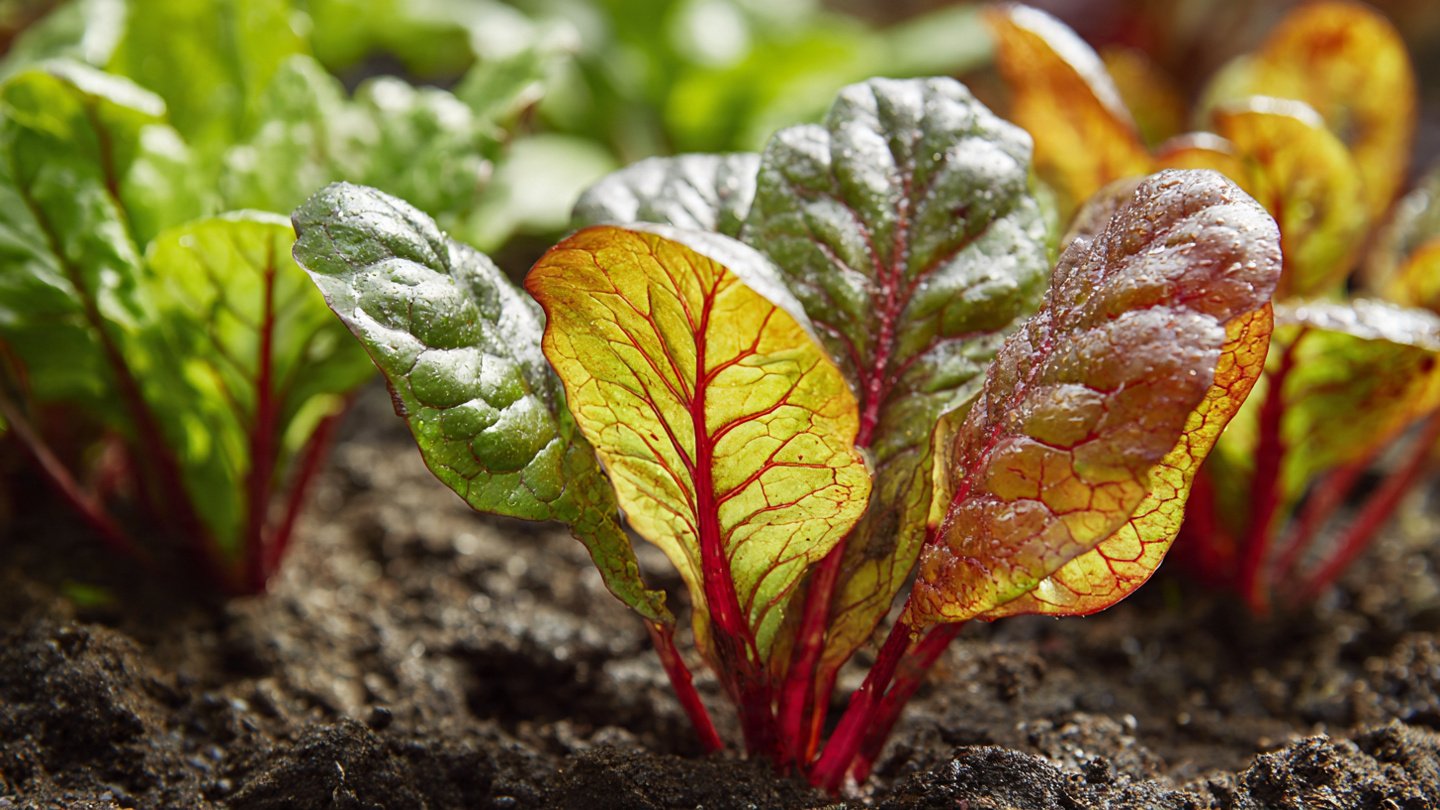
For gardeners living in warm climates, winter doesn’t necessarily mean a pause in fresh produce. In fact, many hardy salad greens thrive in cooler winter months, producing crisp, flavorful leaves even when the summer heat fades. Unlike delicate lettuce varieties that bolt quickly in fluctuating temperatures, these tough salad greens can handle cooler nights and shorter daylight hours, making them perfect for winter gardens.
Whether you want to grow fresh greens for salads, wraps, or smoothies, selecting varieties suited to your climate ensures a continuous supply of nutritious, vibrant leaves throughout the winter season.
1. Kale
Kale is a robust leafy green that performs exceptionally well in mild winters.
- Varieties: Curly kale, Lacinato (Dinosaur kale), Red Russian
- Growing Tips: Prefers full sun or light shade, fertile soil, and consistent moisture.
- Winter Advantage: Kale leaves become sweeter after a light frost, making it ideal for crisp winter salads.
2. Swiss Chard
Swiss chard is a colorful, nutrient-dense green that tolerates cooler weather.
- Varieties: Rainbow chard, Fordhook Giant
- Growing Tips: Needs rich, well-draining soil; remove older leaves to encourage new growth.
- Bonus: Both stems and leaves are edible, adding variety to winter meals.
3. Mustard Greens
Mustard greens are fast-growing and peppery, adding bold flavor to winter salads.
- Varieties: Green Wave, Red Giant, Osaka Purple
- Growing Tips: Sow seeds directly in well-drained soil and thin seedlings to prevent crowding.
- Winter Advantage: Cold weather enhances the greens’ spicy, tangy flavor.
4. Spinach
Spinach is a classic winter green that grows vigorously in cooler temperatures.
- Varieties: Bloomsdale, Baby Leaf, Tyee
- Growing Tips: Prefers fertile soil, consistent moisture, and partial to full sun.
- Winter Advantage: Spinach tolerates mild frost and produces tender leaves suitable for fresh salads or sautés.
5. Arugula
Arugula is a peppery green that thrives in mild winter climates.
- Varieties: Rocket, Astro, Domino
- Growing Tips: Quick-growing, sown directly in the garden every few weeks for continuous harvest.
- Winter Advantage: Cooler temperatures prevent bolting, keeping leaves tender and flavorful.
6. Collard Greens
Collard greens are hearty, slow-growing greens perfect for winter gardens.
- Varieties: Georgia Southern, Vates, Blue Max
- Growing Tips: Prefers full sun to light shade and consistently moist soil.
- Winter Advantage: Cold weather enhances the flavor of leaves, making them sweeter and more tender.
7. Tatsoi
Tatsoi is a low-growing Asian green that forms rosettes of spoon-shaped leaves.
- Growing Tips: Thrives in rich soil with partial shade, and grows quickly for multiple harvests.
- Winter Advantage: Resistant to frost and heat, making it ideal for extended winter harvests.
8. Mache (Corn Salad)
Mache, also called lamb’s lettuce, is a delicate, nutty-tasting green that withstands mild winter conditions.
- Growing Tips: Prefers loose, fertile soil and consistent moisture; sow seeds in succession for ongoing harvest.
- Winter Advantage: Survives cool nights and grows quickly in partial shade, producing tender leaves perfect for fresh salads.
9. Endive
Endive is a versatile salad green that grows in cooler months.
- Varieties: Curly endive, Belgian endive (grown in containers)
- Growing Tips: Requires fertile, well-draining soil and consistent watering; blanching can improve leaf texture.
- Winter Advantage: Slow-growing in warm climates during winter, allowing for extended harvests of crisp leaves.
Tips for Growing Salad Greens in a Warm Climate Winter
Even tough winter greens require some care to thrive. Here are tips to maximize your winter garden success:
- Choose the Right Location – Pick a spot with morning sun and afternoon shade to protect greens from strong midday sun.
- Prepare Fertile Soil – Incorporate compost or aged manure to improve fertility and moisture retention.
- Water Consistently – Winter may bring cooler temperatures, but salad greens still need regular watering to avoid bitterness.
- Succession Planting – Sow seeds every 2–3 weeks to maintain a continuous supply of fresh leaves throughout the season.
- Mulching – Use organic mulch to regulate soil temperature, retain moisture, and prevent weeds.
- Protect from Pests – Slugs, aphids, and caterpillars can damage winter greens; use row covers or organic pest controls.
- Harvest Smartly – Pick outer leaves regularly, allowing the plant to continue producing new growth from the center.
Why Winter Salad Greens Are Worth Growing
Growing your own winter salad greens offers numerous advantages:
- Flavor – Homegrown greens taste fresher and are often sweeter than store-bought varieties.
- Nutrition – Cold-hardy greens maintain high levels of vitamins, minerals, and antioxidants.
- Cost Savings – Continuous harvest reduces the need to buy expensive winter produce.
- Gardening Enjoyment – Even in warm climates, a winter garden keeps you active and connected to the seasons.
By planting tough winter greens, you can enjoy fresh salads, sautéed greens, and nutritious additions to soups and stews throughout the cooler months.
Harvesting for Maximum Yield
Proper harvesting ensures your winter greens continue producing:
- Cut-and-Come-Again – Snip outer leaves 2–3 inches above the base to allow new growth.
- Avoid Overharvesting – Leave at least one-third of the leaves on the plant to maintain vigor.
- Frequent Picking – Regular harvesting encourages continuous growth and prevents flowering, which can make leaves bitter.
With these techniques, even small garden beds or containers can provide a steady supply of fresh salad greens all winter.
Final Thoughts
Living in a warm climate doesn’t mean giving up on fresh, crisp salad greens during the winter months. By choosing tough, cold-tolerant varieties like kale, Swiss chard, arugula, and tatsoi, gardeners can enjoy nutritious, flavorful leaves throughout the season. Proper soil preparation, consistent watering, and smart harvesting techniques ensure that these greens thrive in containers, raised beds, or garden plots.
With planning and care, your winter garden can become a continuous source of vibrant, fresh salad greens, proving that even the coolest months in warm climates can be the peak season for healthy homegrown greens.