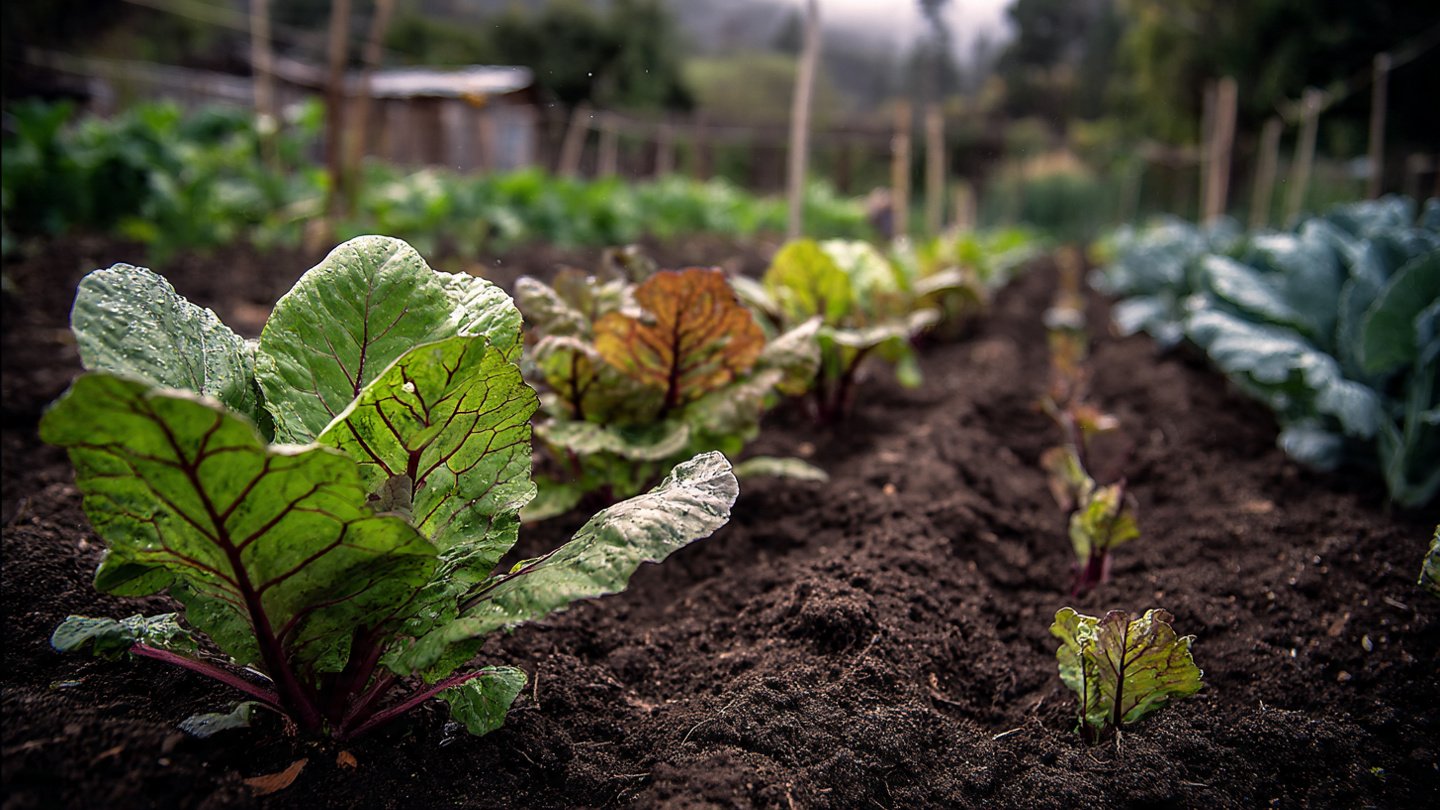
When most gardeners think about growing vegetables, they envision annual crops—tomatoes, lettuce, carrots, and beans—that must be planted each year from seed or seedlings. While these annuals are staples of the modern kitchen garden, there is a growing movement toward perennial vegetables, which return year after year with minimal effort. These hardy plants offer resilience, sustainability, and unique flavors, making them an attractive choice for both modern and historical-inspired gardens. Among these perennial treasures is an ancient medieval favorite that has nourished humans for centuries and is still worth planting today.
What Are Perennial Vegetables?
Perennial vegetables are plants that live and produce edible crops for multiple growing seasons. Unlike annuals, which die after producing seeds or fruits in one season, perennials establish deep roots, improving soil health and conserving resources. Some common examples include:
- Asparagus (Asparagus officinalis)
- Rhubarb (Rheum rhabarbarum)
- Jerusalem Artichokes (Helianthus tuberosus)
- Sea Kale (Crambe maritima) — the medieval favorite
These plants often require patience in their early years but reward gardeners with reliable yields for decades once established.
The Medieval Favorite: Sea Kale
Sea kale, a hardy perennial vegetable, has been cultivated in Europe since the Middle Ages. Once considered a delicacy among the wealthy, it features tender, cabbage-like shoots in spring, which were historically harvested and lightly cooked or blanched for the table.
- Resilience: Sea kale thrives in coastal conditions, tolerating poor soil, wind, and salt spray.
- Longevity: Once established, a single plant can produce edible shoots for 15–20 years.
- Nutritional Value: Rich in vitamins A and C, sea kale is a healthy addition to any diet.
By growing this medieval favorite, gardeners can experience a taste of history while enjoying a vegetable that requires minimal replanting.
Benefits of Growing Perennial Vegetables
- Sustainability: Perennials reduce the need for annual soil disturbance, lowering erosion, conserving water, and decreasing fertilizer use. Their deep roots enhance soil structure and nutrient cycling, creating healthier garden ecosystems.
- Low Maintenance: Once established, perennial vegetables require far less planting and maintenance than annuals. Gardeners save time and energy by harvesting from established plants year after year.
- Early and Reliable Harvests: Perennials often produce edible shoots earlier in the season than annuals. For instance, asparagus and sea kale shoots emerge in early spring, providing fresh greens long before most annual crops are ready.
- Resilience to Climate Stress: Deep-rooted perennials withstand drought and temperature fluctuations better than shallow-rooted annuals, making them a more climate-resilient option.
- Unique Flavors and Culinary Options: Many perennial vegetables offer flavors that are unusual in modern gardens. Sea kale, cardoon, and good King Henry (Blitum bonus-henricus) deliver tastes reminiscent of medieval gardens, perfect for adventurous cooks or historical reenactments.
Other Perennial Vegetables to Consider
While sea kale is a standout, numerous other perennial vegetables thrive in diverse gardens:
- Asparagus: One of the most popular perennials, asparagus produces shoots in early spring and requires patience—typically 2–3 years before the first harvest. Once established, it can produce for 15–20 years.
- Rhubarb: Known for its tart stalks, rhubarb is cold-hardy and easy to grow in perennial beds. Its leaves are toxic, so careful harvesting is essential, but its versatility in pies, sauces, and preserves is unmatched.
- Jerusalem Artichokes: Also called sunchokes, these tubers are easy to grow and can spread extensively. They produce sunflower-like flowers in summer and nutrient-rich tubers in fall.
- Good King Henry: This ancient European green yields edible leaves similar to spinach and shoots akin to asparagus, providing versatility and flavor reminiscent of medieval gardens.
- Lovage (Levisticum officinale): Known for its celery-like flavor, lovage adds a perennial herbaceous layer to vegetable gardens and can be used in soups, stews, and salads.
How to Start a Perennial Vegetable Garden
- Choose the Right Location: Most perennial vegetables require well-drained soil and full sun, although some, like lovage, tolerate partial shade. Choose a spot where plants can remain undisturbed for years.
- Prepare the Soil: Incorporate compost or organic matter to improve soil fertility. Since perennials remain in place for multiple seasons, soil health is crucial for sustained productivity.
- Plant in Early Spring or Fall: Depending on the species, plant crowns, tubers, or seedlings in early spring after frost, or in early fall in mild climates.
- Mulch and Protect: Mulch helps retain moisture, suppress weeds, and protect young shoots. For tender perennials like sea kale, consider frost cloth or protective covers during harsh winters.
- Patience Is Key: Many perennial vegetables take a season or two to establish. Avoid harvesting heavily during the first year or two to allow strong root systems to develop.
Incorporating Perennials Into Modern Gardens
Perennial vegetables can complement annuals, herbs, and ornamental plants to create diverse, layered gardens:
- Mixed Beds: Plant asparagus or sea kale alongside flowers like calendula or nasturtium for beauty and edible benefits.
- Borders and Edges: Perennials like lovage or rhubarb can form attractive edges while providing harvestable leaves.
- Companion Planting: Perennials often support beneficial insects and can improve the health of surrounding annual crops.
By designing with longevity in mind, gardeners reduce workload while increasing productivity and ecological resilience.
The Return of Ancient Gardening Traditions
Growing perennial vegetables like sea kale connects modern gardeners with centuries-old traditions. Medieval gardens prioritized perennial staples, allowing people to harvest fresh greens early in the season while storing annual crops for later months. By incorporating these plants into contemporary landscapes, gardeners enjoy:
- A taste of history: Experience flavors and textures enjoyed by generations past.
- Sustainable practices: Mimicking ancient methods that favored minimal soil disturbance and resource conservation.
- Aesthetically pleasing gardens: Many perennial vegetables, such as asparagus and sea kale, provide architectural structure with lush foliage and interesting shoots.
Conclusion
Perennial vegetables offer a multitude of benefits: sustainability, low maintenance, early harvests, and culinary diversity. Among these, sea kale stands out as a hardy, historically significant plant that connects modern gardeners to medieval traditions. Alongside asparagus, rhubarb, Jerusalem artichokes, and other perennials, it allows you to cultivate a garden that is productive, resilient, and uniquely flavorful.
Starting a perennial vegetable garden may require patience, but the long-term rewards are well worth it. By investing in these plants, you create a living system that returns year after year, reducing labor, enhancing soil health, and offering delicious, nutritious food with minimal effort. In essence, perennials let your garden work for you—not the other way around—while adding a touch of history and timeless elegance to your outdoor space.