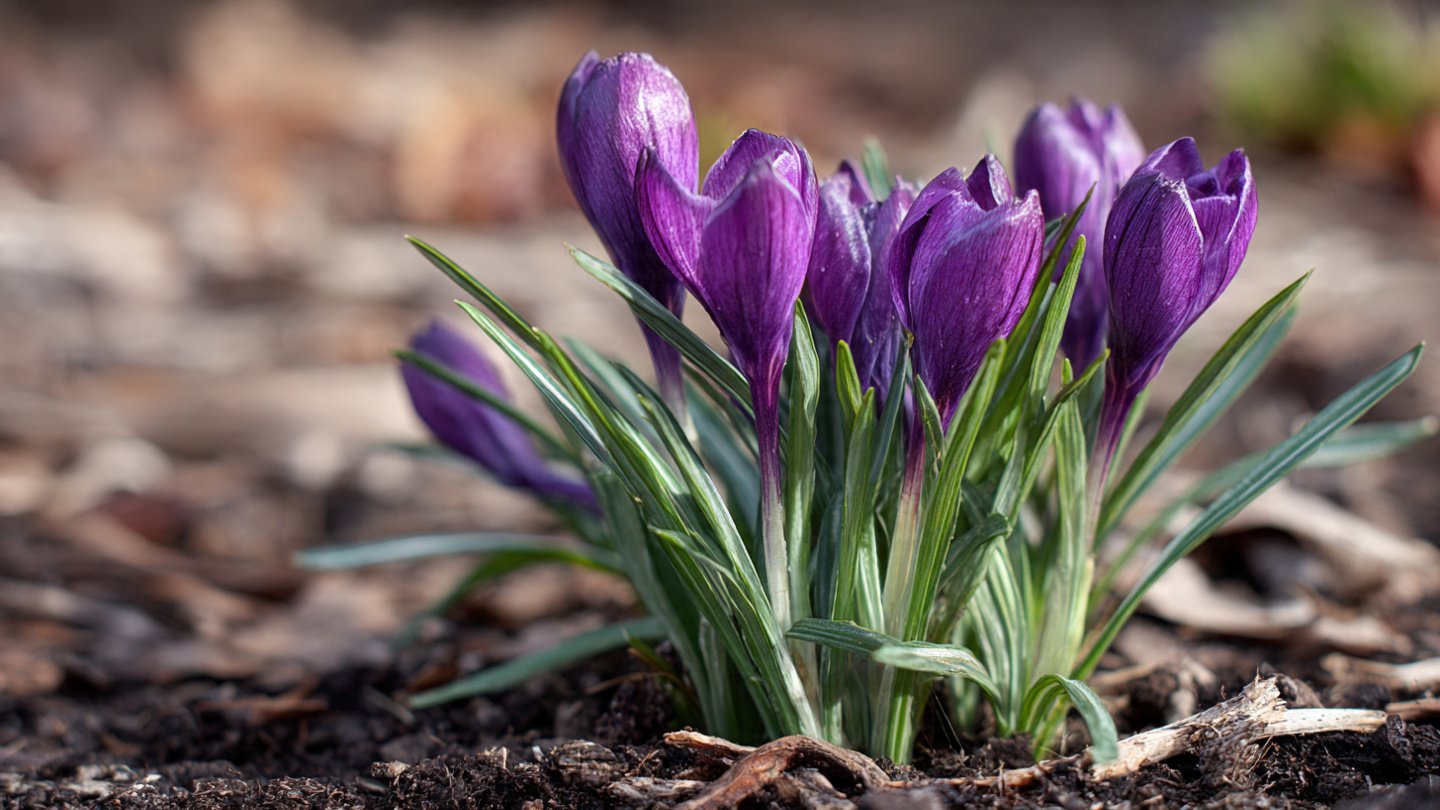
As winter winds begin to fade, many gardeners are eager to start planting, yet the last frost can still linger in some regions. The good news is that late winter provides a perfect window to give your garden a head start. By planting hardy vegetables, flowers, and herbs before spring officially arrives, you can enjoy earlier harvests, faster growth, and a more vibrant garden season.
In this guide, we’ll explore 14 plants that thrive when planted in late winter, along with tips for successful indoor or protected outdoor planting, soil preparation, and care practices that help you get ahead of the season.
Why Plant in Late Winter?
Late winter planting offers several advantages:
- Extended Growing Season: Early sowing allows seedlings to develop before the heat of spring arrives.
- Stronger Plants: Slow, controlled growth in cooler temperatures creates more resilient plants.
- Early Harvest: Vegetables and herbs planted in late winter often produce harvests weeks before late-spring plantings.
- Efficient Garden Planning: Starting seeds indoors allows gardeners to plan and stagger plantings, avoiding overcrowding.
With careful selection of hardy plants and proper timing, late winter sowing can give your garden a significant boost.
1. Peas
Peas are a classic early-season vegetable. They tolerate frost and even a light snow, making them perfect for late winter planting. Sow seeds directly into the soil or start them indoors for earlier germination.
Tips:
- Provide trellises for climbing varieties.
- Plant in fertile, well-draining soil.
- Water consistently to keep soil moist but not soggy.
2. Spinach
Spinach thrives in cool weather and is among the fastest-growing leafy greens. Plant seeds directly outdoors in late winter for a spring harvest.
Tips:
- Use row covers to protect young seedlings from frost.
- Space seeds about 3–4 inches apart for optimal leaf growth.
- Harvest leaves regularly to encourage continuous growth.
3. Kale
Kale is hardy and can withstand frosty conditions, making it ideal for late winter planting. Both curly and flat-leaf varieties respond well to early sowing.
Tips:
- Fertilize with nitrogen-rich compost to promote leafy growth.
- Protect young plants with cloches or row covers.
- Regularly prune outer leaves for sustained harvests.
4. Broccoli
Broccoli benefits from early planting because it needs cool, steady temperatures for optimal head formation. Sow seeds indoors in late winter and transplant outdoors as soon as the soil is workable.
Tips:
- Harden off seedlings before transplanting.
- Space plants at least 18 inches apart for proper airflow.
- Keep soil consistently moist for crisp, firm heads.
5. Lettuce
Lettuce is another fast-growing, cold-tolerant green perfect for late winter. Leaf varieties, romaine, and butterhead types all thrive in early plantings.
Tips:
- Sow seeds shallowly in loose soil.
- Provide partial shade if early spring sun becomes strong.
- Harvest leaves regularly for continuous growth.
6. Radishes
Radishes are one of the quickest vegetables to mature, often ready in as little as 25–30 days. They tolerate cool soil and are ideal for early sowing.
Tips:
- Plant in rows with 1–2 inches between seeds.
- Thin seedlings to prevent overcrowding.
- Water consistently to avoid split roots.
7. Carrots
Carrots can be sown in late winter for early spring harvests. Choose frost-hardy varieties for better results in cooler soils.
Tips:
- Sow seeds in loose, well-draining soil.
- Keep soil consistently moist for even root development.
- Thin seedlings to prevent crowded, misshapen roots.
8. Onions
Onions can be started from sets or seeds in late winter. Early planting gives them a head start, resulting in stronger bulbs later in the season.
Tips:
- Use fertile, well-draining soil.
- Keep soil evenly moist.
- Space sets or seedlings about 4–6 inches apart for proper bulb growth.
9. Garlic
Garlic planted in late winter develops robust roots and foliage for harvest in mid-to-late summer. Cold exposure actually benefits bulb formation.
Tips:
- Plant cloves pointy end up in loose soil.
- Mulch heavily to protect from frost.
- Avoid watering excessively to prevent rot.
10. Snow Peas
Snow peas are perfect for early sowing and produce sweet, edible pods. They tolerate frost and thrive in cool conditions.
Tips:
- Provide trellises for climbing.
- Sow seeds directly in well-prepared soil.
- Harvest regularly to encourage continued pod production.
11. Chives
Chives are hardy perennial herbs that tolerate cold conditions and grow well from late winter planting. They add fresh flavor to spring dishes.
Tips:
- Start seeds indoors for early growth.
- Transplant outdoors as soon as soil is workable.
- Trim regularly to promote new growth.
12. Parsley
Parsley grows best in cool conditions and can be sown in late winter indoors or under protection outdoors.
Tips:
- Sow seeds in pots or seed trays for transplanting.
- Keep soil consistently moist for even germination.
- Harvest outer leaves regularly, leaving inner growth for continuous supply.
13. Calendula
Calendula is a hardy flowering plant that tolerates cold temperatures. It brightens early spring gardens and attracts pollinators.
Tips:
- Sow seeds directly outdoors in prepared soil.
- Space plants 6–12 inches apart for optimal airflow.
- Deadhead spent blooms to encourage prolonged flowering.
14. Pansies
Pansies are cold-tolerant annuals that thrive in late winter planting. Their vibrant flowers provide early color before many other plants bloom.
Tips:
- Plant in fertile, well-draining soil.
- Provide adequate water without overwatering.
- Mulch around plants to protect roots from late frosts.
Tips for Successful Late Winter Planting
- Use Row Covers or Cloches: Protect tender seedlings from unexpected frosts.
- Prepare Soil Early: Enrich soil with compost or well-rotted manure for nutrient support.
- Start Seeds Indoors: For more sensitive crops like broccoli or parsley, indoor seed-starting ensures faster germination and stronger seedlings.
- Monitor Watering: Cool soil retains moisture longer, so avoid overwatering young plants.
- Plan Succession Planting: Stagger sowing to ensure a continuous harvest throughout spring.
Benefits of Late Winter Planting
Planting in late winter gives gardeners several advantages:
- Head Start on Growth: Early sowing often results in earlier harvests.
- Stronger Plants: Slow development in cooler soil produces resilient crops.
- Maximized Space: Early seedlings take advantage of space before the full spring garden rush.
- Pest Advantage: Cooler temperatures reduce early pest pressures.
By selecting hardy crops and following expert planting practices, gardeners can optimize both yield and aesthetics.
Conclusion
Late winter is a prime opportunity to get a jump start on your garden. By planting peas, spinach, kale, broccoli, lettuce, radishes, carrots, onions, garlic, snow peas, chives, parsley, calendula, and pansies, you set the stage for a lush, productive spring garden. Combined with proper soil preparation, frost protection, and smart care, these early plantings give you an edge, ensuring vibrant foliage, abundant harvests, and beautiful blooms before many gardeners even start.
With thoughtful late winter planting, you transform the transition from winter to spring into a season of growth and vitality, maximizing both beauty and productivity in your garden.