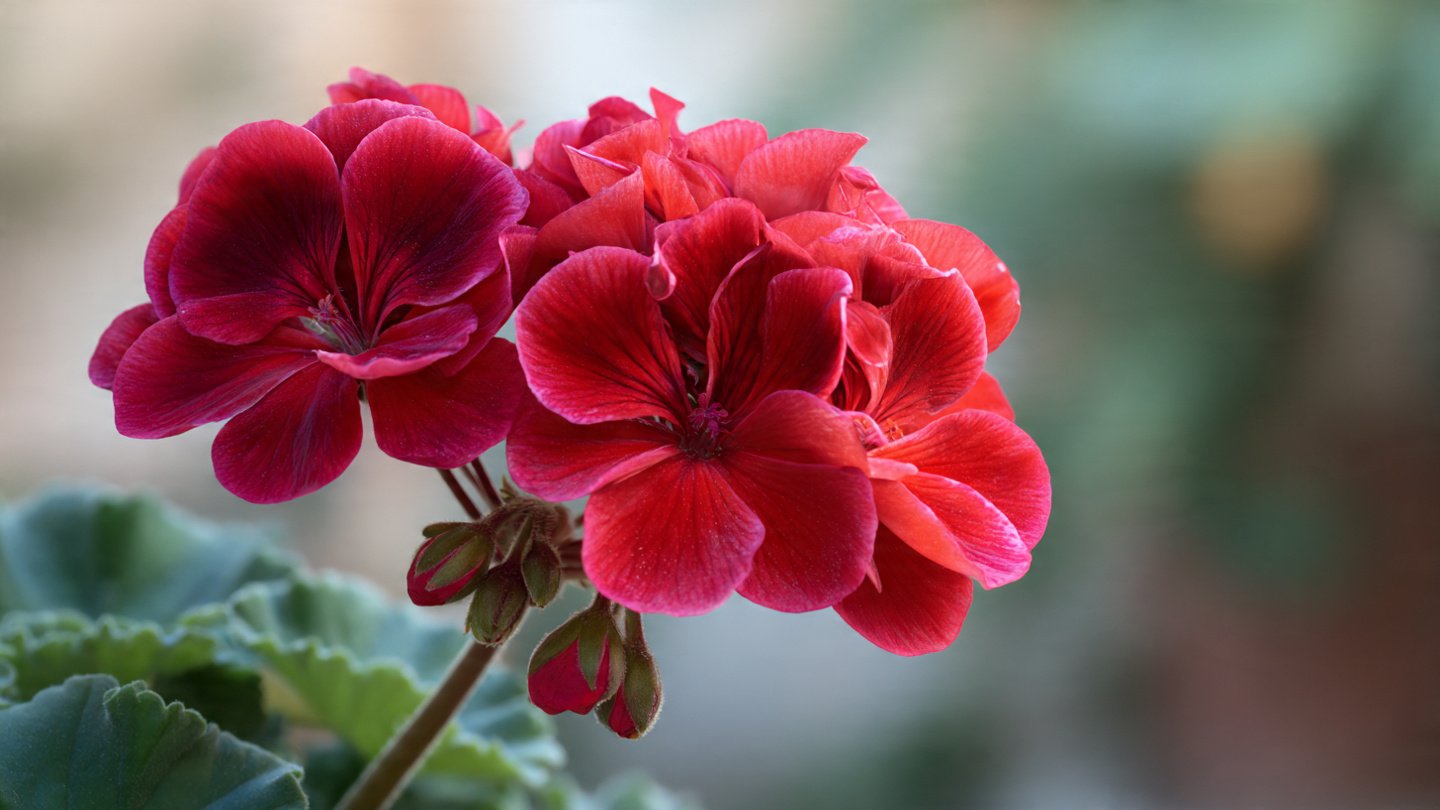
Geraniums are among the most popular flowering plants for gardens, balconies, and indoor pots. Their vibrant colors, pleasant fragrance, and ease of care make them a gardener’s favorite. However, many gardeners face a common challenge: geraniums that produce plenty of leaves but few flowers. The good news is that a simple household ingredient—baking soda—can help stimulate abundant blooms while keeping your plants healthy and vibrant.
This article explores why geraniums sometimes fail to bloom, how baking soda works, and practical methods for encouraging your geraniums to flower profusely.
Why Geraniums Sometimes Don’t Bloom
Before using baking soda, it’s important to understand why geraniums may not produce flowers:
- Nutrient Imbalance: Excess nitrogen encourages leafy growth at the expense of flowers.
- Improper Light: Geraniums need 6–8 hours of sunlight daily for optimal blooming. Insufficient light results in spindly plants with few blooms.
- Overwatering or Poor Drainage: Waterlogged soil stresses roots, reducing flower production.
- Pests and Diseases: Aphids, spider mites, or fungal infections can weaken plants and hinder blooming.
- Soil pH Issues: Geraniums prefer slightly acidic to neutral soil (pH 6.0–7.0). Highly acidic soil may limit nutrient uptake and affect flower formation.
By addressing these factors, you create a foundation for healthy growth and vibrant blooms.
Why Baking Soda Helps Geraniums Bloom
Baking soda, or sodium bicarbonate, is a versatile household ingredient that offers several benefits for flowering plants:
- Regulates Soil pH: Baking soda can slightly increase soil alkalinity, making nutrients like phosphorus and potassium more available—both essential for flowering.
- Controls Fungal Growth: Baking soda can prevent common fungal infections like powdery mildew, which can stress plants and reduce blooms.
- Boosts Overall Plant Health: Healthy geraniums with balanced nutrition and reduced disease stress are naturally more likely to produce abundant flowers.
Using baking soda carefully ensures your geraniums thrive without causing harm to roots or leaves.
How to Use Baking Soda for Blooming Geraniums
Here are step-by-step instructions for using baking soda safely to encourage geranium blooms:
1. Foliar Spray for Fungal Control
Powdery mildew and other fungal issues can prevent flowering. A mild baking soda foliar spray helps control these problems.
Ingredients:
- 1 teaspoon baking soda
- 1 quart (about 1 liter) of water
- A few drops of liquid dish soap (optional, to help the solution stick to leaves)
Method:
- Mix baking soda and water thoroughly.
- Add a few drops of liquid soap if desired.
- Pour the solution into a spray bottle.
- Spray the solution on both sides of leaves once a week.
- Avoid spraying during peak sunlight to prevent leaf burn.
This method not only protects leaves but indirectly supports flowering by keeping the plant healthy.
2. Soil Application to Stimulate Blooming
Baking soda can also be used to adjust soil pH slightly, enhancing nutrient availability.
Method:
- Dissolve ½ teaspoon of baking soda in a gallon of water.
- Water the soil around the base of your geraniums every 2–3 weeks.
- Ensure the soil drains well; avoid waterlogging.
Important: Overuse of baking soda can make soil too alkaline, which may harm the plant. Stick to small amounts and monitor plant health.
3. Combine With Proper Fertilization
To maximize bloom production, combine baking soda treatment with a phosphorus-rich fertilizer:
- Use fertilizers labeled as “bloom boosters”, typically high in phosphorus (middle number on the N-P-K label).
- Fertilize every 3–4 weeks during the active flowering season.
- Baking soda improves nutrient availability, while fertilizer provides the essential elements for flower formation.
Other Tips for Promoting Geranium Blooms
While baking soda is helpful, it works best alongside general care practices:
- Sunlight: Provide at least 6–8 hours of direct sunlight daily. South-facing windows or balconies are ideal.
- Pruning: Deadhead spent flowers and prune leggy stems to encourage new growth and flowering.
- Watering: Keep soil moderately moist; allow the top inch to dry between waterings. Overwatering leads to root rot and reduced blooms.
- Pest Control: Inspect for aphids, whiteflies, and spider mites. Use organic insecticidal soap or neem oil if needed.
- Container Care: If grown in pots, ensure drainage holes are present. Repot every 1–2 years with fresh soil to maintain nutrient levels.
Signs of Abundant Blooming After Baking Soda Use
After a few weeks of consistent care and baking soda treatment, you may notice:
- Increased flower bud formation along stems
- Brighter, healthier leaves
- Reduced signs of fungal infection, like powdery patches
- Stronger stems supporting multiple blooms
These improvements indicate that the plant is better able to direct energy toward flowering.
Safety Precautions When Using Baking Soda
While baking soda is generally safe, avoid common mistakes:
- Overapplication: Excess sodium can harm roots and reduce nutrient uptake.
- Direct Contact with Flowers: Spray solutions may discolor petals if applied directly to open flowers.
- Combine Carefully With Other Chemicals: Avoid using baking soda spray on plants that have been treated with other foliar chemicals within 24 hours.
Conclusion
Using baking soda is an effective, natural way to encourage geraniums to bloom abundantly, but it works best when combined with proper sunlight, fertilization, watering, and pruning. By slightly adjusting soil pH, preventing fungal growth, and promoting overall plant health, baking soda helps your geraniums produce vibrant, long-lasting flowers.
Incorporate weekly foliar sprays, soil watering routines, and general care practices into your gardening regimen to transform your geraniums into a prolific display of colorful blooms. With patience, attention, and the help of this simple household ingredient, your garden can be filled with radiant, flowering geraniums all season long.