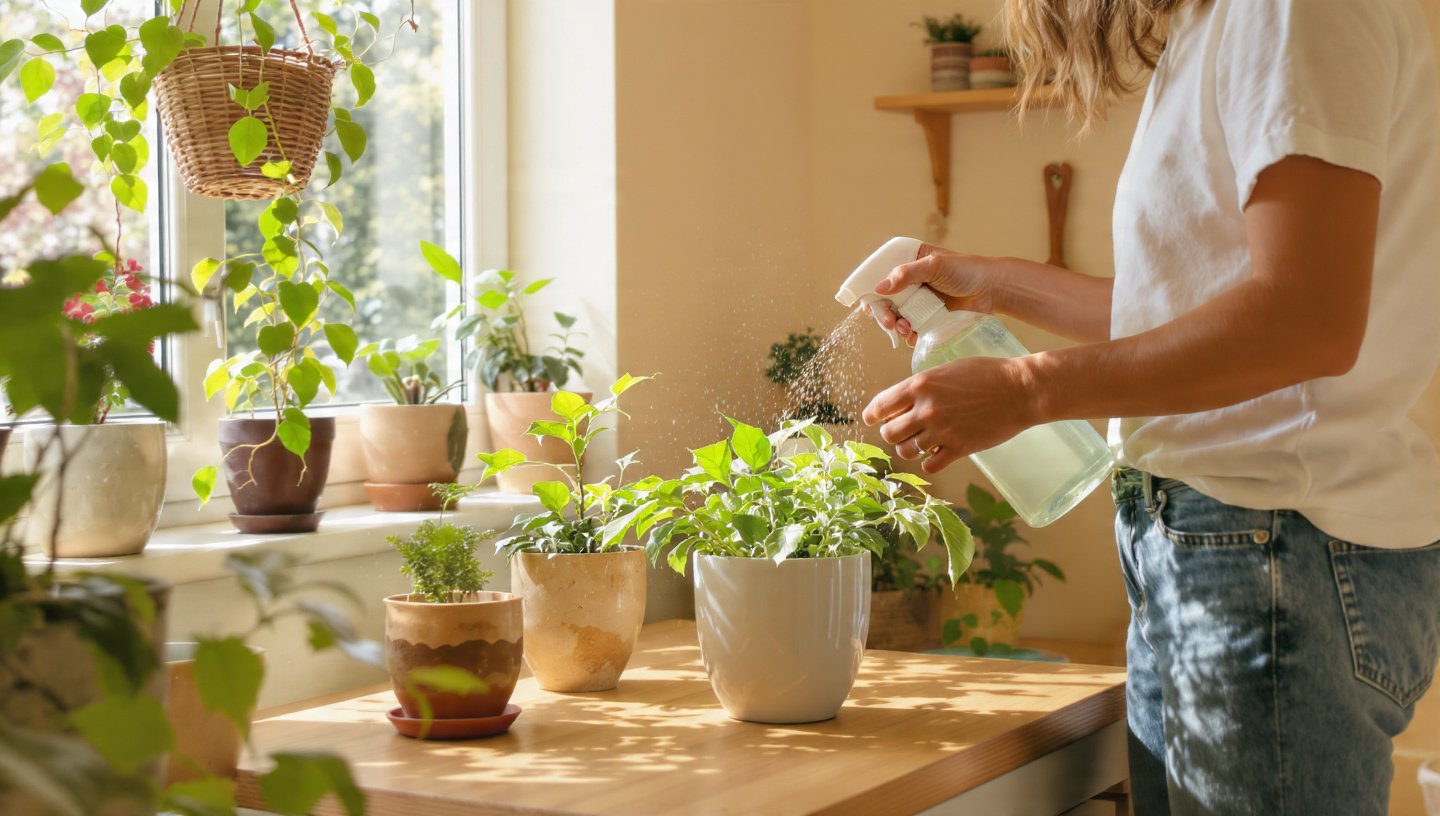
Caring for houseplants goes beyond watering and sunlight. Just like humans, plants thrive when given regular attention, nourishment, and a bit of pampering. Introducing the concept of a “Plant Spa Day”—a dedicated routine to refresh, rejuvenate, and revitalize your indoor greenery. This indulgent care ritual promotes healthier growth, vibrant foliage, and long-lasting beauty for your home plants.
Whether you have a collection of leafy greens, flowering plants, or succulents, a Plant Spa Day can make a noticeable difference in their health and longevity. Let’s break down the ultimate routine step by step.
Step 1: Inspect Your Plants Carefully
Every plant spa day begins with a thorough inspection. Examine leaves, stems, and soil for signs of:
- Pests such as aphids, spider mites, or scale
- Diseases like fungal spots, root rot, or mold
- Nutrient deficiencies indicated by yellowing or discolored leaves
- Environmental stress from dry air, low light, or drafts
Take notes or photographs if needed. Early detection allows you to treat issues before they escalate, keeping your houseplants happy and healthy.
Step 2: Clean the Leaves
Dust and debris can block sunlight and hinder photosynthesis. A gentle leaf cleaning can revitalize plants:
- Soft foliage: Use a damp microfiber cloth to wipe each leaf gently.
- Large tropical leaves: Take a lukewarm shower or mist with water to remove dust.
- Small or fuzzy leaves: Use a soft brush to avoid damaging delicate surfaces.
Regular cleaning also helps you spot pests early and keeps your plants looking glossy and vibrant.
Step 3: Prune and Trim
Pruning is essential for maintaining plant shape, stimulating growth, and removing damaged or dead foliage:
- Remove yellow, brown, or wilted leaves.
- Cut back leggy stems to encourage bushier growth.
- For flowering plants, trim spent blooms to redirect energy into new buds.
Use clean, sharp scissors or pruning shears to prevent infection and ensure smooth cuts. Pruning during your spa day helps plants recover faster and look more appealing.
Step 4: Repotting and Soil Refresh
If your plant’s roots are overcrowded or soil looks compacted, consider a repot or soil refresh:
- Choose a pot slightly larger than the current one with drainage holes.
- Gently loosen the roots and remove old soil if necessary.
- Add fresh, nutrient-rich potting mix to provide better aeration and nutrients.
Repotting is a key part of plant rejuvenation, giving roots room to grow and preventing nutrient deficiencies.
Step 5: Deep Hydration
Spa days are perfect for giving plants a deep watering session:
- Water thoroughly until excess drains from the bottom.
- For plants that prefer drier soil (like succulents), water sparingly but ensure roots are moistened.
- Consider soaking the root zone for some tropical plants if they appear dehydrated.
Deep hydration not only replenishes moisture but also washes away accumulated salts from fertilizers, which can harm roots over time.
Step 6: Nutrient Boost
Just like humans enjoy nourishing treatments, plants benefit from nutrient supplementation:
- Apply liquid fertilizer according to plant type—higher nitrogen for leafy plants, phosphorus for blooms.
- Consider organic options like compost tea, worm castings, or seaweed extracts.
- Avoid over-fertilizing, which can burn roots and damage foliage.
A nutrient boost during your spa day revitalizes plants, promoting stronger stems, richer colors, and more abundant blooms.
Step 7: Pest and Disease Treatment
Even well-cared-for plants can experience pests or fungal problems. Use your spa day to treat these issues:
- Wipe leaves with a mild soap solution to remove aphids or mites.
- Apply natural fungicides like neem oil or baking soda solutions for mild fungal infections.
- Quarantine infected plants if necessary to prevent spread.
Preventive care ensures your houseplants remain healthy and reduces the need for frequent interventions.
Step 8: Environmental Adjustment
A true plant spa experience includes optimizing the environmental conditions:
- Light: Rotate plants to ensure even growth and prevent leaning.
- Humidity: Increase humidity for tropical species using a tray of water, a humidifier, or grouping plants together.
- Temperature: Ensure plants are away from drafts or extreme heat sources.
- Placement: Rearrange for better air circulation and visual appeal.
Adjusting environmental factors helps plants thrive naturally and supports long-term growth.
Step 9: Mulching and Soil Protection
Adding a layer of mulch can improve soil quality and moisture retention:
- Use organic mulch such as coconut husk, bark chips, or compost.
- Mulch prevents evaporation, regulates soil temperature, and suppresses mold or algae growth.
- Ensure mulch is not piled against stems, which can cause rot.
Mulching during your spa day keeps the plant environment healthy and encourages root development.
Step 10: Mindful Observation and Care Journal
After your spa day, take a moment to observe the plant’s response:
- Note changes in leaf color, new growth, or flowering.
- Keep a care journal documenting watering, fertilization, and pruning schedules.
- Tracking progress helps anticipate needs and refine care routines over time.
Mindful observation strengthens your connection to your plants and ensures long-lasting health and beauty.
Benefits of a Regular Plant Spa Day
Implementing a regular plant spa day—monthly or bi-monthly depending on plant type—offers multiple benefits:
- Boosts Growth: Proper pruning, fertilization, and hydration stimulate stronger stems and new leaves.
- Enhances Aesthetic Appeal: Clean, dust-free leaves and well-maintained plants improve the visual appeal of your home.
- Prevents Pest Infestations: Regular inspection catches pests early, reducing damage.
- Improves Plant Longevity: Healthy soil, balanced nutrients, and appropriate care extend the life of your plants.
- Stress Relief: Engaging in plant care routines is therapeutic and promotes mental wellness.
A “Plant Spa Day” is not just a routine—it’s a mindful act of nurturing your green companions.
Conclusion
The ultimate plant spa day combines cleaning, pruning, repotting, fertilizing, and environmental adjustments to create happier, healthier houseplants. By dedicating a few hours to this routine, you ensure that your indoor garden thrives, your plants remain vibrant, and your home benefits from cleaner air, natural beauty, and a soothing green ambiance.
Whether you’re a novice or an experienced gardener, incorporating regular spa days into your plant care schedule is an easy, enjoyable, and highly effective way to keep your houseplants thriving year-round. Treat your plants well, and they’ll reward you with lush foliage, abundant blooms, and a vibrant home atmosphere.