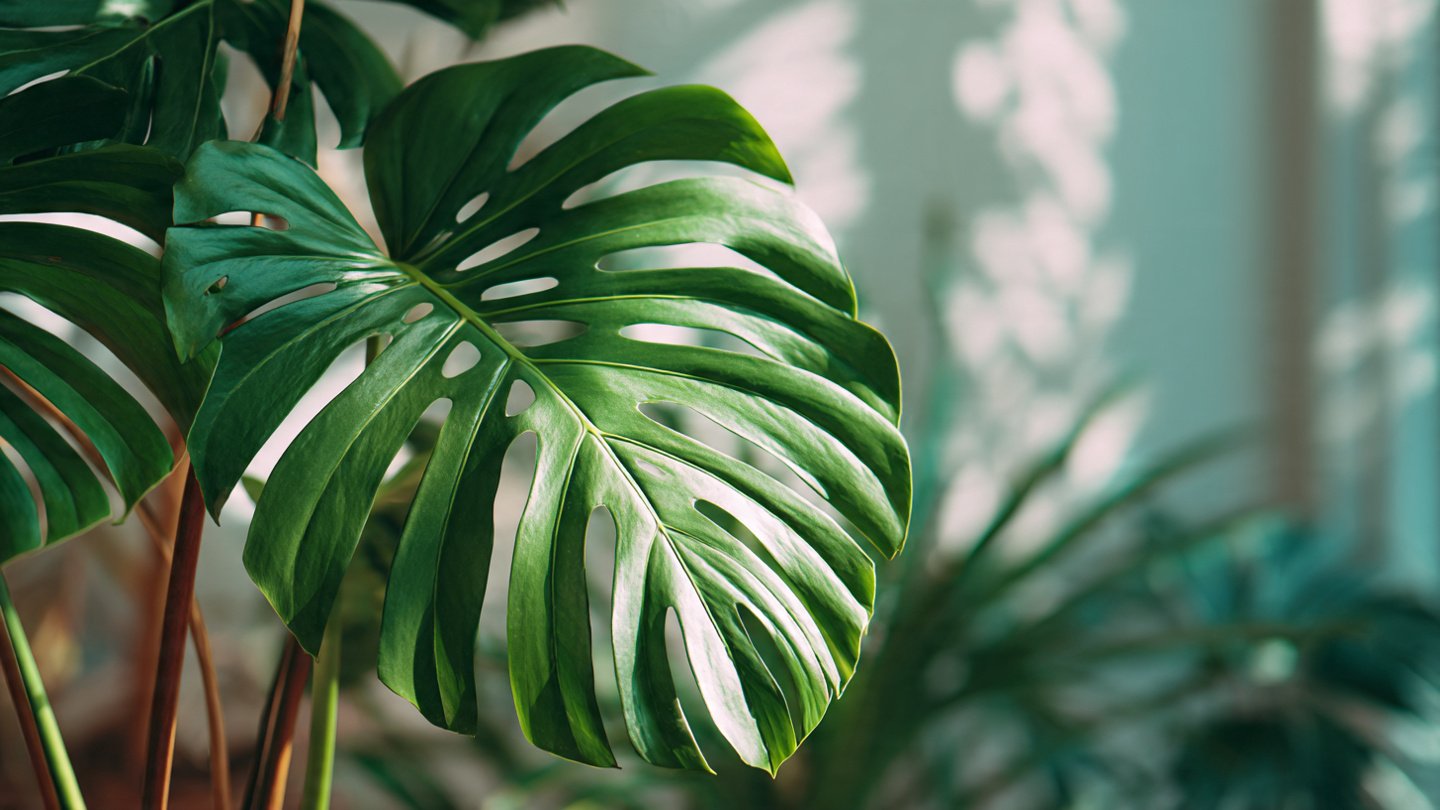
Indoor plants have become more than just décor—they are living statements that bring life, texture, and a sense of calm to any space. Among the most sought-after houseplants, the Monstera deliciosa, often called the “Swiss Cheese Plant,” is prized for its dramatic, fenestrated leaves and tropical charm. But while Monstera plants are relatively easy to care for, giving them a stunning glow-up—with lush, vibrant, glossy leaves and strong growth—requires attention to light, water, nutrients, and overall plant wellness.
If you want your Monstera to thrive and become the centerpiece of your home, these expert tips will help transform it from ordinary to extraordinary.
1. Provide Optimal Lighting
One of the most crucial factors in a Monstera glow-up is light exposure. While Monstera can tolerate low light, their iconic large, split leaves develop best under bright, indirect light.
- Indoor Placement: Position your Monstera near a north or east-facing window to receive filtered sunlight. Avoid harsh, direct afternoon sunlight, which can scorch the leaves.
- Outdoor Placement: In warm, frost-free climates, you can place Monstera outdoors in a shaded area with indirect sun.
- Artificial Lighting: If natural light is limited, full-spectrum grow lights can supplement, giving the plant energy to produce larger leaves and maintain deep green foliage.
Proper lighting encourages healthy growth, deeper leaf coloration, and larger splits in mature leaves.
2. Watering for Vibrancy
Overwatering and underwatering are common Monstera mistakes. The key to glowing, healthy leaves is a balanced watering routine:
- Check the Soil: Water only when the top 2–3 inches of soil feel dry. Monsteras prefer slightly moist soil, not soggy conditions.
- Water Deeply: When watering, soak the soil thoroughly, allowing excess water to drain. This encourages roots to grow deep and strong.
- Avoid Standing Water: Ensure your pot has drainage holes. Standing water can lead to root rot and yellowing leaves.
Healthy roots support lush foliage, which directly contributes to a Monstera’s glossy, vibrant appearance.
3. Use the Right Soil Mix
The right soil enhances growth and overall plant health. Monsteras thrive in well-draining, nutrient-rich soil.
- Soil Components: A mix of peat moss, perlite, and orchid bark creates the perfect balance of moisture retention and aeration.
- pH Level: Monsteras prefer slightly acidic to neutral soil (pH 5.5–7).
- Pot Size: Choose a pot slightly larger than the root ball to allow for expansion but not so large that excess soil retains water.
Good soil supports root development and overall plant vigor, which reflects in the leaves’ glossy and robust appearance.
4. Fertilize Strategically
For a Monstera to reach its full glow-up potential, regular fertilization is essential during the growing season.
- Frequency: Feed every 4–6 weeks in spring and summer. Reduce or stop fertilizing in fall and winter when growth slows.
- Type of Fertilizer: Use a balanced liquid fertilizer or slow-release fertilizer formulated for tropical foliage plants. Look for a ratio like 20-20-20 or a nitrogen-rich formula to support leaf growth.
- Avoid Over-Fertilizing: Excess fertilizer can cause leaf burn or yellowing. Always follow the instructions and monitor your plant for stress.
Regular feeding promotes lush, glossy leaves and larger foliage, giving your Monstera a vibrant, healthy appearance.
5. Pruning for Shape and Strength
Pruning is not only aesthetic—it also encourages healthy growth and prevents your Monstera from becoming leggy.
- Remove Dead or Yellow Leaves: Cut away yellowing or damaged leaves to redirect energy to healthy growth.
- Encourage Branching: Trim some stems to promote lateral growth, giving your plant a fuller, bushier look.
- Shape Carefully: Use sterilized scissors or pruning shears and make clean cuts to avoid infections.
Pruning helps your Monstera develop a structured, impressive shape that enhances its overall “glow-up.”
6. Support for Vertical Growth
Monsteras are natural climbers and thrive when given the support to grow vertically:
- Moss Poles or Stakes: Encourage the plant to climb using moss poles or sturdy stakes. This mimics its natural environment and allows larger leaves to develop.
- Training Vines: Gently tie stems to the support to guide upward growth without damaging leaves.
- Air Roots: Encourage air roots to attach to the support, which strengthens the plant and adds a tropical aesthetic.
Vertical growth leads to larger, more dramatic leaves and gives your Monstera a strong, striking presence.
7. Humidity and Temperature
Monsteras are tropical plants and thrive in warm, humid environments. Proper humidity and temperature are essential for glossy leaves:
- Humidity: Keep indoor humidity between 60–80%. Use a humidifier, mist the leaves regularly, or place the pot on a tray of water with pebbles.
- Temperature: Maintain a range of 65–85°F (18–29°C). Avoid cold drafts, sudden temperature drops, or heaters that can dry out leaves.
Tropical conditions help your Monstera retain moisture, develop vibrant leaves, and prevent browning tips.
8. Leaf Cleaning for a Shine
Over time, dust can accumulate on Monstera leaves, reducing their natural shine and photosynthesis efficiency.
- Regular Cleaning: Wipe leaves gently with a damp cloth every 2–4 weeks.
- Avoid Leaf Shine Sprays: Natural cleaning is better, as commercial sprays may clog pores.
- Encourage Gloss Naturally: Proper watering, fertilization, and light exposure will enhance the natural glossy appearance of leaves.
Clean leaves reflect light beautifully, contributing to the plant’s overall aesthetic glow-up.
9. Repotting and Growth Management
Monsteras benefit from occasional repotting to maintain strong roots and allow for continuous growth:
- Frequency: Repot every 2–3 years, or when roots outgrow the pot.
- Pot Selection: Gradually increase pot size to accommodate growth. Avoid overly large pots that retain too much moisture.
- Soil Refresh: Replace old soil with fresh, well-draining soil to provide nutrients and promote healthy foliage.
Repotting ensures your Monstera stays vigorous, supporting taller stems and larger leaves.
10. Patience and Long-Term Care
Giving your Monstera a stunning glow-up takes time and consistent care.
- Growth Rate: Monsteras grow slowly, but steady attention produces dramatic results over months and years.
- Observe Your Plant: Monitor for pests, nutrient deficiencies, or light stress to make timely adjustments.
- Celebrate Milestones: Notice new leaves, larger fenestrations, and climbing stems as evidence of a healthy glow-up.
Patience and dedication are key to transforming your Monstera into a lush, tropical showpiece.
Conclusion
Giving your Monstera a stunning glow-up isn’t about complicated tricks—it’s about understanding its natural needs and creating the right environment. Bright, indirect light, proper watering, nutrient-rich soil, pruning, humidity, and support for climbing all work together to produce a lush, glossy, vibrant plant that can become the centerpiece of any room.
With consistent care and attention, your Monstera will develop large, fenestrated leaves, strong stems, and a dramatic, tropical presence. Whether placed in a living room, office, or sunlit corner, your plant will thrive and inspire, bringing both beauty and vitality into your space.
A Monstera glow-up is a combination of science, art, and patience—and the result is nothing short of spectacular.