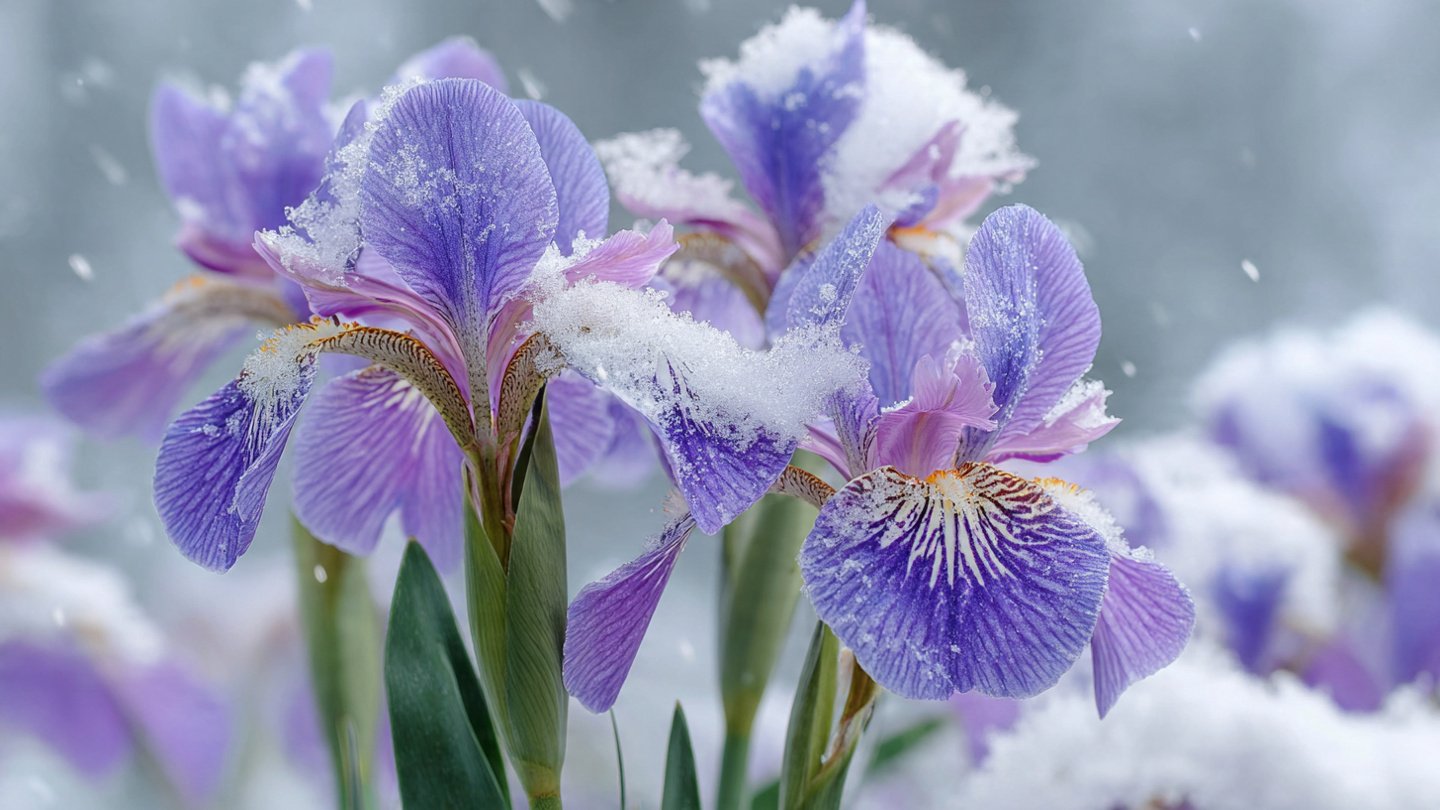
Spring is just around the corner, and for gardeners, the excitement of seeing the first blooms emerge is hard to resist. But in many regions, frost can linger well into the growing season, making early planting a risky endeavor. Fortunately, there are cold-hardy flowers that thrive even in chilly soil, allowing you to sow seeds before your final frost date and enjoy vibrant early blooms. Planting these resilient varieties ensures a head start for your garden, while giving your landscape color and life even in unpredictable weather.
Here are 14 cold-hardy flowers you can sow early to jumpstart your spring garden.
1. Pansies (Viola tricolor var. hortensis)
Pansies are classic early bloomers that tolerate frost remarkably well. With their cheerful faces in shades of purple, yellow, and white, pansies brighten garden beds, borders, and containers. Sow seeds indoors 8–10 weeks before the last frost or directly outdoors in late winter for early spring color.
2. Snapdragons (Antirrhinum majus)
Snapdragons can withstand cooler temperatures and are excellent for adding vertical interest. These flowers produce vibrant spikes in a variety of colors and are perfect for both garden beds and containers. Start seeds indoors or sow directly into prepared soil a few weeks before the last frost.
3. Sweet Peas (Lathyrus odoratus)
Sweet peas are fragrant, climbing flowers that love cool soil. Sow seeds directly into garden soil 4–6 weeks before the last frost. They benefit from trellises or supports and reward gardeners with delicate, pastel blooms early in spring.
4. Calendula (Calendula officinalis)
Also known as pot marigolds, calendulas are hardy annuals that thrive in cooler conditions. Sow seeds directly outdoors before the last frost for cheerful yellow and orange blooms. Calendulas are excellent for borders and containers and are often used for their edible petals.
5. Nigella (Nigella damascena)
Nigella, commonly called Love-in-a-Mist, is an easy-to-grow annual that tolerates cold soil. Its lacy foliage and unique blue or white flowers add texture to garden beds. Sow seeds directly outdoors 4–6 weeks before your last frost for early blooms.
6. Bachelor’s Buttons (Centaurea cyanus)
These hardy annuals, also called cornflowers, produce vibrant blue flowers that can withstand chilly temperatures. Sow seeds directly outdoors in early spring; they self-seed readily, creating naturalized patches year after year.
7. Wallflowers (Erysimum cheiri)
Wallflowers are resilient perennials that bloom in early spring. Their fragrant flowers attract pollinators and add warm shades of yellow, orange, and red to the garden. Sow seeds indoors 6–8 weeks before the last frost or directly outdoors in mild climates.
8. Arabis (Arabis alpina)
Arabis, or rock cress, is a low-growing perennial with early spring white, pink, or lavender blooms. Cold-hardy and perfect for rock gardens or borders, it can be sown outdoors before frost or started indoors for transplanting.
9. Forget-Me-Nots (Myosotis sylvatica)
These charming, delicate flowers flourish in cool weather and provide early-season color in shades of blue, pink, or white. Sow seeds directly in the garden before the last frost for naturalized drifts or container plantings.
10. Sweet Alyssum (Lobularia maritima)
Sweet alyssum produces fragrant, tiny clusters of white, pink, or purple flowers. Hardy in cool weather, it can be sown outdoors before frost for early blooms and is excellent as a groundcover or edging plant.
11. Violas
Violas are smaller relatives of pansies, known for their colorful, delicate flowers. They are cold-tolerant, bloom early, and thrive in containers, borders, or flower beds. Direct sow seeds before frost or start indoors for extended bloom periods.
12. Primroses (Primula vulgaris)
Primroses are hardy perennials with a variety of bright colors, from yellows and pinks to purples. They are ideal for planting in early spring, thriving in partial shade and cool soil. Sow seeds indoors 8–10 weeks before the last frost for optimal results.
13. Hellebores (Helleborus orientalis)
Also known as Lenten roses, hellebores are perennials that bloom in late winter and early spring. Hardy and frost-tolerant, their muted shades of pink, purple, and white add sophistication to early-season gardens. Plant nursery-grown seedlings in fall or early spring for best results.
14. Scilla (Scilla siberica)
Siberian squill is a resilient bulb that produces bright blue flowers in early spring. Cold-hardy and reliable, it can be planted before the last frost for early color in garden beds, naturalized lawns, or woodland gardens.
Tips for Sowing Cold-Hardy Flowers
- Know Your Final Frost Date: Check local frost maps to determine the average last frost date for your region. Sow seeds 4–8 weeks before this date depending on the plant’s needs.
- Use Prepared Soil: Cold soil can slow germination, so enrich it with compost for added nutrients and drainage.
- Protect Young Seedlings: Use cloches, row covers, or cold frames to shield delicate seedlings from unexpected frosts.
- Water Carefully: Keep the soil moist but avoid waterlogging, which can damage seeds in cold conditions.
- Plan for Succession: Sow in intervals to extend bloom periods and maintain continuous color throughout spring.
Why Planting Cold-Hardy Flowers Early Matters
Early sowing provides several advantages:
- Head Start on Blooming: Plants take advantage of the early growing season and produce flowers sooner.
- Hardier Plants: Cold exposure helps seedlings acclimate, producing stronger, more resilient plants.
- Extended Garden Interest: By starting early, you create a garden that blooms before many other plants, adding early-season color when gardens are typically sparse.
- Pollinator Support: Early blooms provide vital nectar sources for bees and other pollinators emerging from winter dormancy.
Creating a Winter-to-Spring Garden
To maximize early-season blooms:
- Combine cold-hardy annuals and perennials for layered color.
- Mix tall and short varieties to create depth and visual interest.
- Include evergreen foliage or winter-interest plants to maintain structure before flowers fully emerge.
- Plan color repetition to create harmony and draw attention to focal points like pathways or garden features.
Cold-hardy flowers allow you to extend the garden season, creating a seamless transition from the muted tones of late winter to the vibrant palette of spring.
Conclusion
By sowing cold-hardy flowers before the final frost, gardeners can enjoy a colorful, vibrant landscape well before most traditional spring blooms emerge. From cheerful pansies and sweet peas to elegant hellebores and Siberian squill, these 14 plants provide resilience, beauty, and early-season joy. With careful planning, protective techniques, and proper soil preparation, your garden will burst into life even when frost still lingers.
Early sowing is not just practical—it’s a way to maximize the beauty of your garden and give yourself a head start on the growing season, ensuring that spring arrives in full bloom.