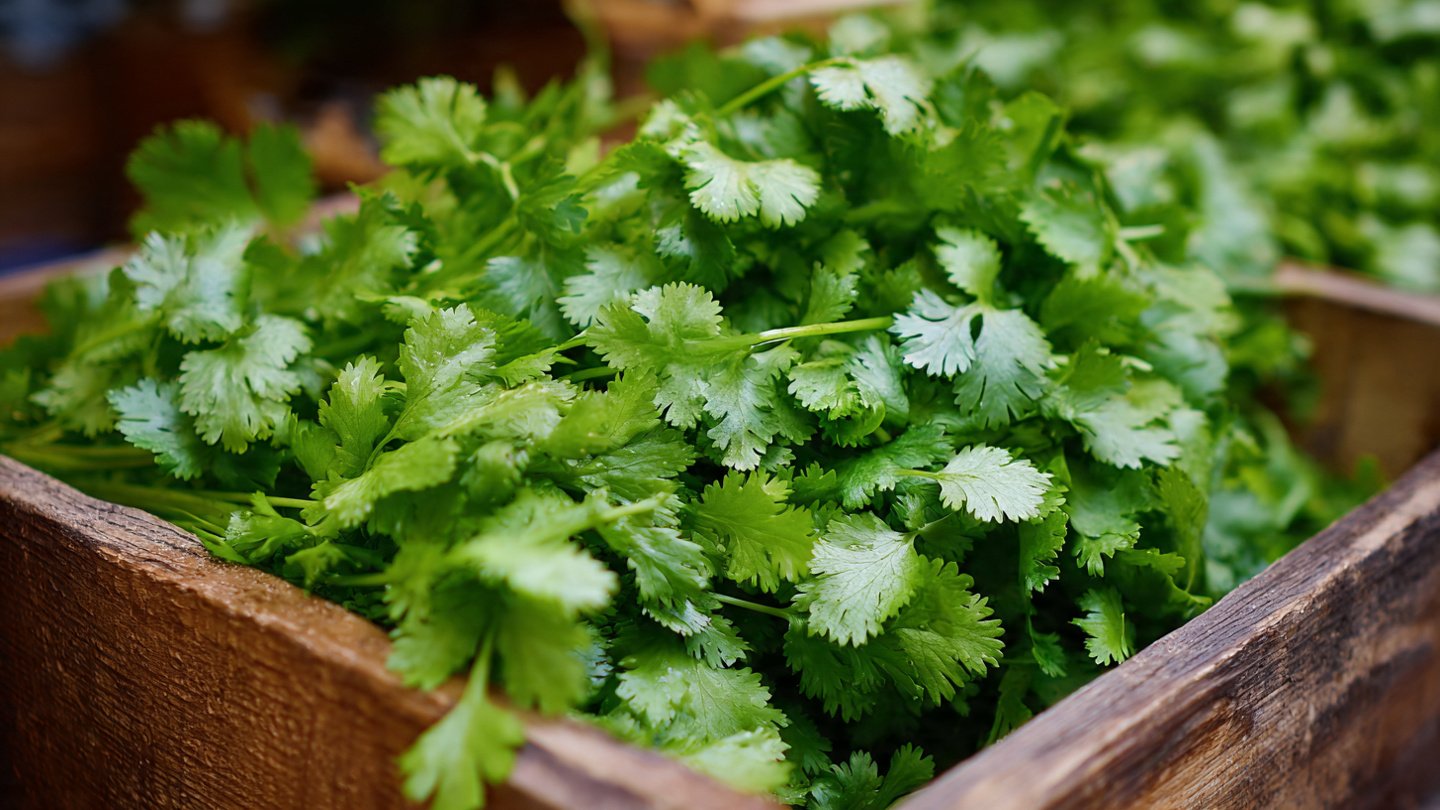
Cilantro is a beloved herb, treasured for its fresh, vibrant flavor that elevates salsas, curries, salads, and countless other dishes. Yet one of the biggest frustrations for home gardeners is that cilantro tends to bolt quickly, sending up flowers and leaving behind bitter leaves. The key to enjoying a continuous supply of this aromatic herb lies not only in proper planting but also in knowing how to harvest cilantro the right way so it keeps growing all season.
With careful techniques, you can extend your cilantro harvest, enjoy tender, flavorful leaves, and even encourage multiple growth cycles from the same plants.
Understanding Cilantro Growth
Cilantro (Coriandrum sativum) is an annual herb, meaning it completes its life cycle in one growing season. It grows best in cool weather, thriving in spring and fall, and becomes stressed in hot summer conditions. Cilantro is known for its rapid bolting, which occurs when the plant sends up flower stalks, diverting energy away from leaf growth. Bolting is accelerated by:
- High temperatures
- Long daylight hours
- Water stress
Harvesting strategically can slow this process and extend your growing season.
When to Harvest Cilantro
Timing is critical for continuous growth. Cilantro leaves are most flavorful before the plant flowers:
- First Harvest – Wait until the plants are 6–8 inches tall and have several sets of leaves.
- Subsequent Harvests – Regular harvesting encourages new leaf growth from the base.
- Avoid Flower Stalks – Once a flower stalk emerges, harvest promptly to prevent the plant from putting energy into seeds.
By harvesting at the right stage, you ensure tender, flavorful leaves and maintain healthy growth throughout the season.
Harvesting Cilantro Properly
The method you use to cut cilantro affects how long the plant continues producing leaves:
1. Cut Outer Leaves First
- Identify the mature outer leaves while leaving the central stems and young leaves intact.
- Use sharp scissors or garden shears to cut leaves 1–2 inches above the soil.
- This approach allows the center of the plant to continue growing new leaves.
2. Avoid Cutting the Crown
- The crown, located at the center of the plant where new growth emerges, is the key to regeneration.
- Cutting it off can stunt growth or encourage premature bolting.
3. Harvest in the Morning
- Morning harvesting is ideal because the leaves contain the highest concentration of essential oils, resulting in maximum flavor.
- Avoid harvesting in the heat of the day, which can stress the plant.
4. Regular Harvesting Encourages Growth
- Harvest leaves every 1–2 weeks, or whenever the plant has enough mature leaves to spare.
- Frequent cutting prevents overcrowding and promotes fresh, tender leaf production.
Extending the Season with Continuous Planting
Even with careful harvesting, cilantro may eventually bolt in warm weather. Continuous planting ensures a steady supply:
- Succession Planting – Sow new seeds every 2–3 weeks to maintain a harvestable crop.
- Partial Shade – In hot climates, planting cilantro in areas that receive afternoon shade slows bolting.
- Soil Care – Fertile, well-draining soil with consistent moisture supports healthy growth.
- Mulching – Apply organic mulch to keep roots cool and retain soil moisture.
This strategy guarantees that even as older plants bolt, younger plants are ready to replace them.
Encouraging Regrowth from Cuttings
Cilantro is unique in its ability to produce multiple harvests from the same plant if harvested correctly:
- Trim, Don’t Pluck – Cutting leaves encourages new growth, while plucking can damage stems.
- Water and Fertilize – Regular watering and a light dose of compost tea or organic fertilizer stimulate regrowth.
- Monitor for Bolting – Remove flower stalks early to redirect energy back to leaf production.
By following these principles, you can enjoy a productive cilantro plant for several weeks.
Avoiding Common Mistakes
Even experienced gardeners sometimes inadvertently reduce their cilantro yield. Common mistakes include:
- Overharvesting – Taking too many leaves at once can weaken the plant. Always leave at least one-third of the leaves intact.
- Ignoring Bolting Signs – Failing to cut flower stalks early leads to bitter leaves and seed production.
- Crowded Plants – Overcrowding limits airflow, increasing the risk of disease and slowing growth.
- Water Stress – Both overwatering and underwatering can harm cilantro. Aim for consistently moist, well-draining soil.
By avoiding these errors, you can maximize both the quantity and quality of your harvest.
Harvesting Seeds: Cilantro to Coriander
Once a cilantro plant bolts and flowers, it produces seeds, known as coriander. Instead of discarding the plant:
- Collect Seeds – Let the flowers dry on the plant, then harvest seeds for culinary use or future planting.
- Rotate Planting – Use seeds from one season to grow the next, maintaining a sustainable garden cycle.
- Seed Timing – Plant seeds in cooler seasons to avoid bolting too quickly.
This dual-purpose approach allows gardeners to enjoy both fresh leaves and seeds from the same plant.
Storing Fresh Cilantro
After harvesting, proper storage keeps cilantro fresh longer:
- Short-Term Storage – Wrap leaves in a damp paper towel and refrigerate in a plastic bag for up to a week.
- Long-Term Storage – Freeze chopped leaves in ice cube trays with water or olive oil for months of use.
- Drying – Cilantro can be dried for seasoning, though flavor is milder compared to fresh leaves.
Storing correctly ensures you have flavorful cilantro available even when garden growth slows.
Final Thoughts
Cilantro is a rewarding herb to grow at home, but continuous production depends on smart harvesting practices. By cutting outer leaves, protecting the crown, monitoring for bolting, and practicing succession planting, gardeners can enjoy a steady supply of fresh cilantro all season long.
From soups and salsas to curries and salads, nothing beats the flavor of freshly harvested, homegrown cilantro. With patience, observation, and proper technique, you can keep your cilantro thriving, productive, and flavorful—turning a short-lived annual into a perennial source of fresh greens for your kitchen.