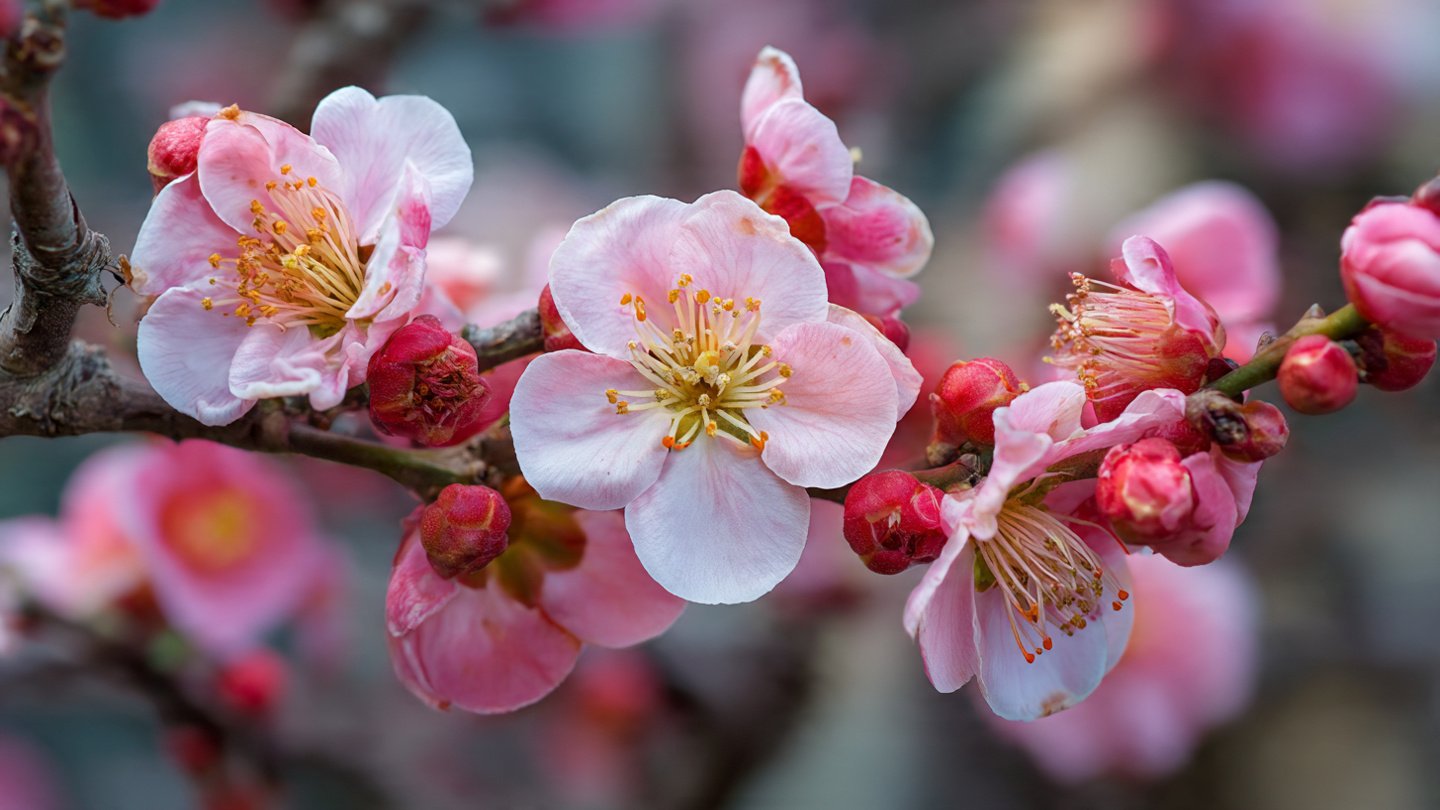
As winter winds down, gardeners often look forward to the vibrant rebirth of spring. But to ensure that your plants burst back to life with maximum energy and beauty, early-year pruning is essential. January and February, when most plants are dormant, are the perfect months to remove dead, damaged, or overcrowded growth, shaping plants for healthier, more vigorous spring growth. Pruning now gives plants a head start, allowing sunlight and air to penetrate the canopy while stimulating new shoots and blooms.
Here are 10 essential plants you should prune in the early months of the year to guarantee a spectacular spring garden.
1. Roses
Roses are classic garden stars, and pruning them in late winter is critical for prolific flowering. Focus on removing:
- Dead or diseased wood.
- Crossed branches that rub against each other.
- Weak or thin stems to encourage stronger, healthier canes.
A proper winter pruning opens up the plant, allowing better air circulation and sunlight, which reduces the risk of fungal diseases and promotes robust spring blooms.
2. Hydrangeas (Old-wood varieties)
Not all hydrangeas are pruned the same way. For older wood-blooming varieties like Hydrangea macrophylla, pruning in January or February:
- Removes old stems that produced flowers last year.
- Encourages new growth that will bear flowers in summer.
Be careful not to remove all stems; leaving some older wood ensures blooms continue for the upcoming season.
3. Fruit Trees (Apples, Pears, Plums)
Dormant fruit trees are ideal candidates for early-year pruning. Winter pruning:
- Improves sunlight penetration to the interior branches.
- Shapes the tree for optimal fruit production.
- Removes crossing or crowded branches that may harbor pests or disease.
Pruning now also stimulates strong new shoots, which will produce the first flowers of the season.
4. Blueberries
Blueberry bushes benefit from thinning and selective pruning during the dormant season. Remove:
- Old, unproductive canes.
- Weak or damaged branches.
- Low-lying growth that may touch the soil.
This encourages the plant to put energy into producing large, juicy berries and promotes good airflow to prevent mold and rot.
5. Grapevines
Late winter is perfect for grapevine pruning. Cutting back last year’s growth:
- Encourages stronger fruiting shoots.
- Maintains a balanced shape for better sun exposure.
- Reduces overcrowding that can decrease fruit quality.
Proper pruning also helps avoid overproduction, ensuring larger, sweeter grapes.
6. Lavender
Lavender can become woody and overgrown if neglected. Pruning in January or February:
- Removes dead or old wood from the previous season.
- Stimulates compact, bushy growth.
- Helps maintain the plant’s aromatic properties.
Avoid cutting into the old, woody base, as lavender may not regenerate from that section.
7. Spirea
Spirea shrubs reward early pruning with explosive spring growth and abundant flowers. Winter pruning:
- Removes old stems to allow space for new growth.
- Shapes the plant into a neat, attractive form.
- Encourages vigorous shoots that produce more blooms.
These hardy shrubs tolerate pruning well and quickly fill out with lush foliage and flowers.
8. Forsythia
Forsythia is known for its bright yellow spring blooms. Pruning immediately after the first frost:
- Removes old or dead branches.
- Encourages lateral growth and keeps the plant full and balanced.
- Prevents legginess and promotes a burst of flowers along new shoots.
Forsythia responds quickly to winter pruning, often flowering more profusely in spring.
9. Clematis (Early-blooming varieties)
Clematis species vary in pruning requirements, but early-blooming varieties benefit from light pruning during the dormant months. Remove:
- Dead or weak stems.
- Overcrowded growth.
- Damaged vine tips.
This encourages healthy, flowering shoots that will produce vibrant blooms once spring arrives.
10. Rhododendrons and Azaleas
These shrubs bloom on old wood, so careful pruning in late winter can help:
- Shape the plant and remove any dead or damaged branches.
- Open the canopy to improve airflow and sunlight penetration.
- Encourage compact, bushy growth for next year’s flowers.
Avoid cutting too deeply into old wood, as rhododendrons may not regenerate from that area.
General Winter Pruning Tips
- Use Clean, Sharp Tools: Sterilized pruning shears, loppers, or saws reduce the risk of spreading disease and ensure clean cuts.
- Remove Dead or Diseased Wood First: This prevents infection from spreading to healthy branches.
- Cut at a 45-degree Angle: Angled cuts help water runoff and prevent rot at the cut site.
- Thin, Don’t Overcut: Focus on removing overcrowded branches to improve airflow and light penetration rather than drastically reducing size.
- Prune in Dry Weather: Wet conditions can increase the risk of fungal infection, so choose a dry day when possible.
Why Pruning Now Makes a Difference
Pruning in January or February—before new growth begins—gives plants a fresh start. Benefits include:
- Enhanced Spring Growth: Dormant pruning stimulates strong new shoots, leading to fuller plants and more flowers.
- Disease Prevention: Removing dead or weak branches reduces habitats for pests and fungal pathogens.
- Better Shape and Structure: Early pruning allows you to control the plant’s form before rapid spring growth begins.
- Increased Fruit and Flower Production: Many fruiting shrubs and trees produce larger yields when pruned during dormancy.
Winter pruning is essentially a head start for your garden, ensuring that spring arrives with healthy, vibrant, and productive plants.
Conclusion
Pruning is one of the most powerful tools in a gardener’s toolkit. By taking action in January and February, you set the stage for vigorous growth, abundant flowers, and bountiful fruit. From roses and fruit trees to shrubs like spirea and forsythia, early-year pruning maximizes your garden’s potential, creating a lush, thriving space when spring finally arrives.
Remember to research the specific requirements of each plant, prune carefully, and enjoy the results of a garden that looks and feels revitalized. With a little winter effort, you can turn your garden into a spectacular spring showcase.