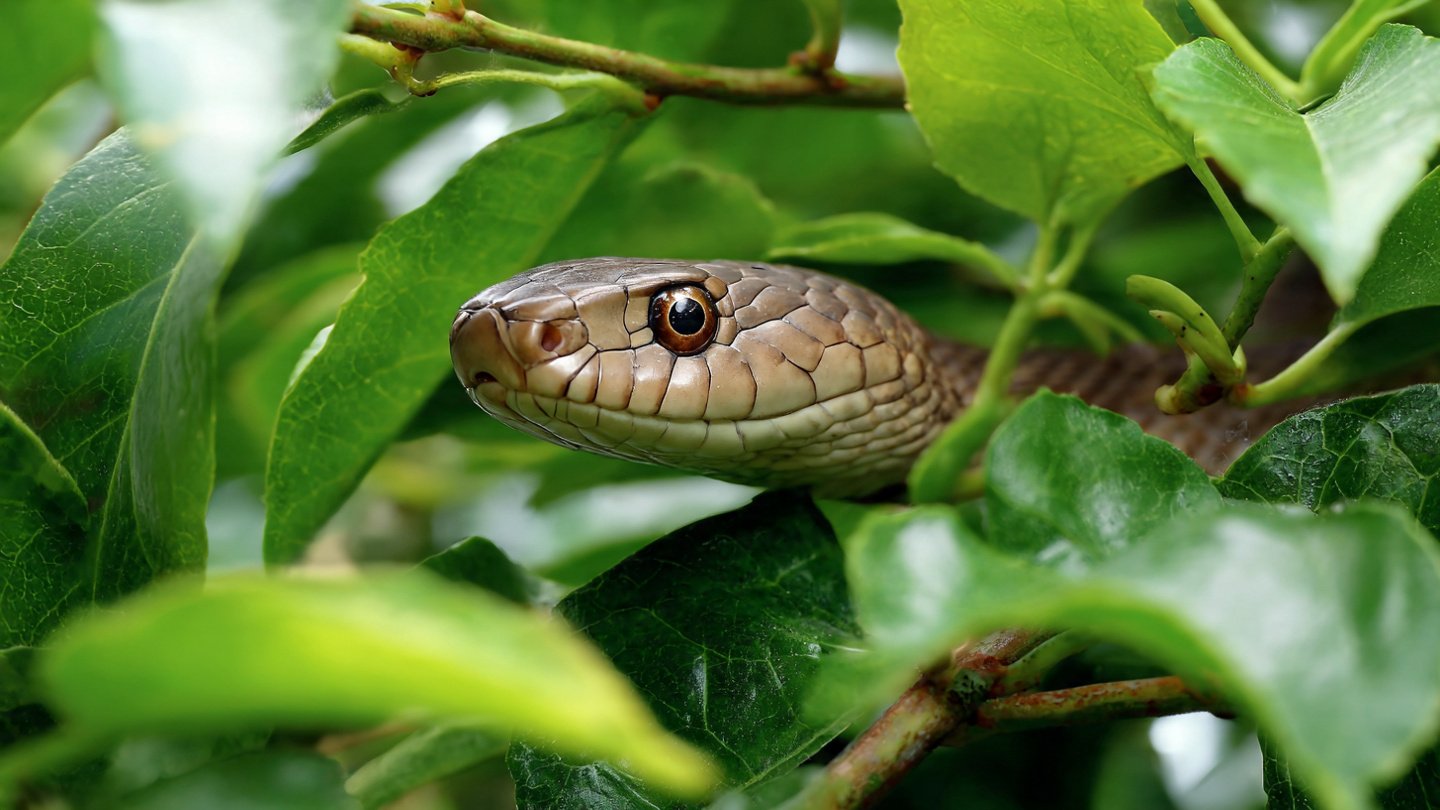
Snakes can be unsettling for many homeowners — especially when they appear suddenly in yards or gardens. Some myths circulate online claiming specific plants “fill your garden with snakes,” implying that planting them will draw slithering reptiles. The truth is more nuanced: snakes don’t come because of a particular plant species. Rather, they’re attracted to habitats that offer food, shelter, and cover. Understanding what creates those conditions can help you design a garden that is both beautiful and less appealing to snakes.
In this article, we’ll explore the connection between garden plants, landscape features, and snake behaviour — and offer practical advice on reducing the likelihood of snake encounters.
Why Snakes Appear in Gardens
Before diving into plants, it’s important to understand why snakes choose certain outdoor spaces:
- Food sources: Snakes hunt prey like rodents, frogs, insects, and birds. Areas with abundant food naturally attract them.
- Shelter and cover: Dense vegetation, piles of debris, tall grasses, and shaded spots provide cover from predators and heat.
- Water sources: Ponds, birdbaths, and irrigation can create microhabitats for prey and thus attract snakes.
- Temperature regulation: Snakes are cold‑blooded and use sunlit rocks, logs, or sheltered shady spots to regulate their body temperature.
So snakes are attracted to conditions that support their survival, not to specific plants per se.
Plants Commonly Associated with “Snake Habitats”
Here are some landscaping features and plants that can indirectly make a garden more appealing to snakes — not because the plant itself summons reptiles, but because it creates ideal cover or food chain opportunities.
1. Tall, Dense Groundcovers
Plants like vinca, morning glory, and dense ivy create ground‑level mats that obscure visibility. Snakes love hiding in places where they can remain unseen by predators and humans.
2. Thick Ornamental Grasses
Large clumps of fountain grass, pampas grass, or miscanthus form shaded, cool pockets near the soil. These are ideal ambush spots for both snakes and the rodents they hunt.
3. Shrubs with Dense Foliage
Privet, thick boxwood, and other compact shrubs with low branches create shady shelters where snakes can hide from heat and watch for prey.
4. Mulched Beds and Leaf Litters
While mulch itself doesn’t attract snakes, deep mulch and leaf piles offer space for small animals and cover for snakes to move unseen.
5. Fruit‑Bearing or Seed‑Dropping Plants
Plants like mulberry, blackberry, or berry bushes attract birds and small mammals — which in turn attract the snakes that hunt them.
What Doesn’t Attract Snakes
It’s equally important to dispel misconceptions. Snakes are not attracted to:
- Specific flowers or ornamental plants because of their scent
- Plant colours (e.g., black‑flowered plants don’t attract more snakes)
- Fragrant herbs like basil or rosemary
- Any plant that “smells like prey”
Snakes aren’t looking for fragrance or floral beauty — they’re looking for habitat conditions that support prey, cover, water, and temperature regulation.
How to Reduce Snake Visits in Your Garden
If you’re concerned about snakes, here’s what actually makes a difference:
1. Control Rodent Populations
Snakes follow food. Keeping rodents under control — by securing trash, removing birdseed spills, and storing pet food indoors — reduces the primary reason snakes visit.
2. Avoid Dense Ground Cover
If you live in a region with venomous snakes, consider using neat groundcovers like creeping thyme or low sedums instead of thick mats that could conceal wildlife.
3. Trim Tall Grass and Vegetation
Cutting grass short and pruning shrubs to open up space reduces shaded hiding spots. Snakes prefer cool, hidden areas — open gardens are less inviting.
4. Clear Debris and Wood Piles
Stacks of lumber, stone, or compost provide cool refuge. Keep them off the ground or away from garden edges to discourage wildlife from settling.
5. Secure Water Sources
Birdbaths and ponds attract frogs and insects (food for snakes’ prey). Consider placing water features in open areas and maintaining regular movement (like fountains) to make them less attractive as reptile shelters.
6. Seal Gaps and Fences
Snakes can slip through narrow openings. Use gap guards, close baseboard openings, and secure fencing to reduce access under patios or into gardens.
Snake‑Safe Gardening Tips
You don’t have to eliminate plants to make your garden safer. Here are landscaping choices that balance beauty and safety:
- Use low, open plants near yard edges so snakes aren’t encouraged into hidden areas
- Create stone or gravel borders that are easier to monitor visually
- Place seating and entertainment areas in open, trimmed zones rather than near dense foliage
- Choose plants with open structures, such as ornamental sages, lavender, and low lilies, which don’t form thick cover
These design choices help you enjoy greenery without unintentionally creating wildlife hideouts.
What to Do If You Spot a Snake
If you do see a snake in your garden:
- Stay calm and keep distance: Most snakes avoid humans and will move away if undisturbed
- Identify from a safe distance: Many snakes are harmless and even beneficial for pest control
- Contact professionals: If the snake is venomous or you’re unsure, call local wildlife control or a licensed remover
Do not attempt to handle or scare away a snake yourself — this can be dangerous.
Are Snakes Always Bad?
It’s worth noting that reptiles play an important role in ecosystems. Snakes help control rodent and insect populations, which can benefit gardens overall. In many regions, the key isn’t elimination but coexistence with awareness and safety.
Conclusion
There is no specific plant that spontaneously “fills your garden with snakes.” Snakes are not drawn by floral scents or colours but by the conditions plants and landscaping create. Dense vegetation, groundcover, and shaded mulch can provide the shelter and prey habitat snakes seek — but with thoughtful garden design and maintenance, you can reduce those conditions.
For concerned homeowners, the strategy isn’t to avoid particular plants, but to create a garden that is open, tidy, free of excessive shelter for wildlife, and balanced in its ecosystem. By controlling rodent populations, trimming vegetation, and arranging plants thoughtfully, you can enjoy a vibrant garden and minimize unwanted reptile visits.