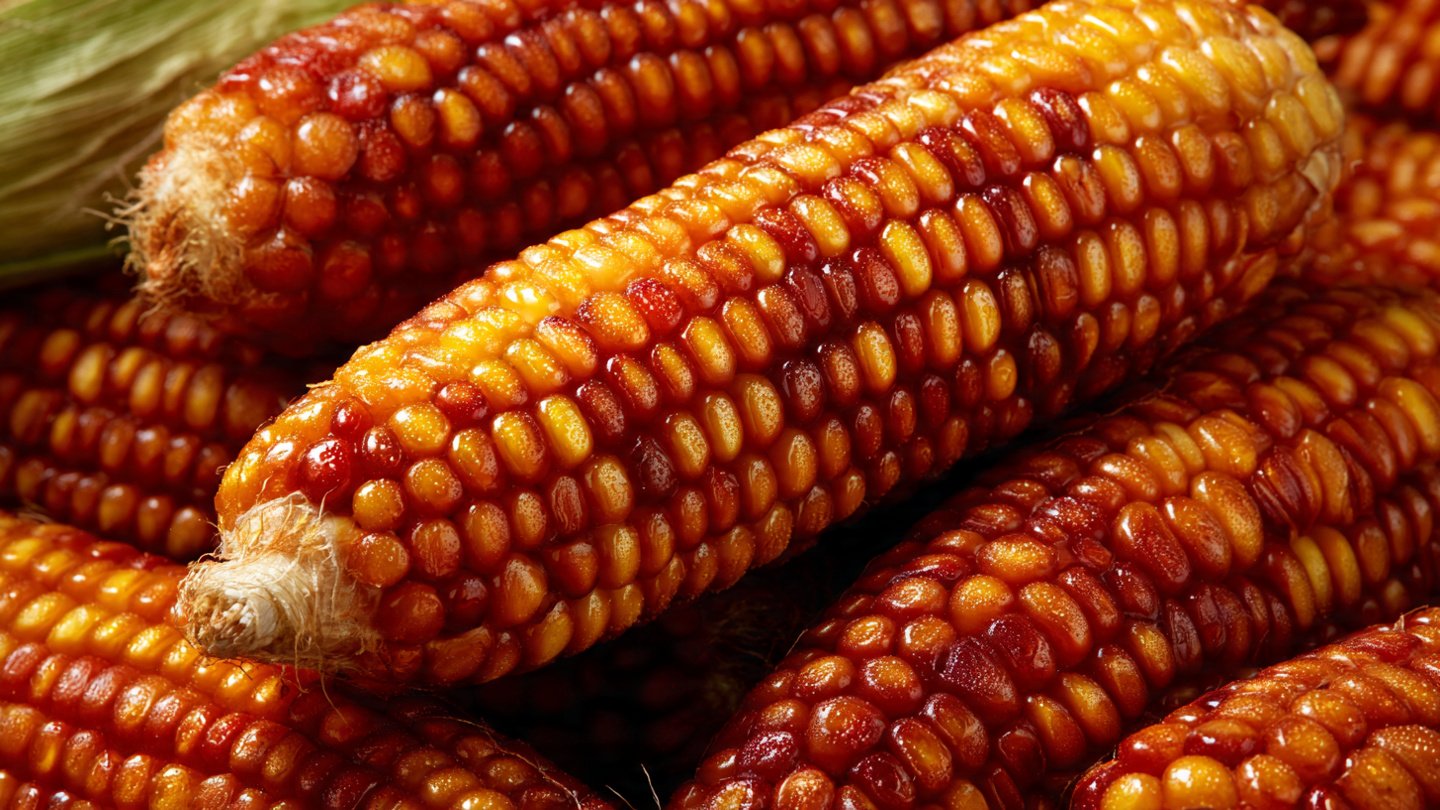
Corn is one of the most versatile and widely consumed crops in the world, but few people realize just how complex its classification can be. Depending on the stage of maturity and how it is used, corn can be considered a grain, a vegetable, or even a fruit. This fascinating plant demonstrates that the boundaries in botany and culinary arts are not always as rigid as they seem. Understanding the nuances of corn can help gardeners, cooks, and nutrition enthusiasts appreciate this staple crop in a new light.
Corn as a Vegetable
When most people think of corn on the cob, they imagine bright yellow kernels steamed, boiled, or grilled. At this stage, corn is harvested while immature, meaning the kernels are still soft, tender, and full of natural sugars.
- Culinary Classification: Corn harvested at this stage is considered a vegetable because it is consumed as a fresh, savory item in meals.
- Examples: Sweet corn, corn on the cob, corn in salads, creamed corn
- Nutritional Profile: At this stage, corn is rich in vitamins (especially B vitamins and vitamin C), minerals, and fiber, with a naturally sweet flavor.
Fresh, immature corn is often a summer favorite in many countries, from Mexican elotes coated in lime and chili to American backyard barbecues. Its soft texture and sweet taste make it versatile for cooking, from boiling and roasting to sautéing and grilling.
Corn as a Grain
When corn matures fully on the stalk, the kernels harden and dry. At this stage, corn is classified as a grain, specifically a cereal grain, similar to wheat, rice, or barley.
- Culinary Classification: Mature, dried corn is considered a grain because it is harvested for storage, grinding into flour, or producing products like cornmeal and popcorn.
- Examples: Cornmeal, polenta, grits, popcorn, corn flour, masa for tortillas
- Nutritional Profile: Mature corn is high in starch, making it a rich source of carbohydrates, as well as containing some protein, fiber, and essential minerals.
Corn grains are also a staple in many cultures. In the United States, corn is a primary ingredient in cereals, snacks, and tortillas. In South America, maize is central to traditional dishes such as arepas and tamales.
Interesting Fact: Popcorn is a type of mature corn kernel with a tough outer shell and starchy interior that explodes when heated, creating a fluffy snack. This demonstrates the versatility of corn at different stages.
Corn as a Fruit
Botanically speaking, corn can also be classified as a fruit. In botany, a fruit is defined as the mature ovary of a flowering plant, usually containing seeds. Corn kernels fit this definition perfectly. Each kernel is a seed encased in a hard outer layer, which technically makes it a fruit.
- Culinary Classification: While most people don’t think of corn as a fruit, botanists classify the kernels this way because they develop from the flower of the maize plant.
- Examples: Sweet corn kernels eaten fresh, popcorn kernels (technically the fruit of the maize plant)
- Nutritional Profile: As a fruit, corn kernels provide natural sugars (especially when immature) and essential nutrients necessary for seed development.
This dual classification — fruit in botany, vegetable in culinary use — is similar to other produce like tomatoes or cucumbers, which are fruits scientifically but vegetables in the kitchen.
Understanding the Differences: Stage Matters
The key to corn’s identity lies in its stage of maturity:
- Immature (Sweet Corn Stage): Soft, sugary kernels → Culinary vegetable
- Mature (Dried Kernel Stage): Hard, starchy kernels → Culinary grain
- Botanical Fruit: Any kernel containing a seed → Scientific classification
This means that a single corn plant can provide different foods at different stages of its life cycle. Farmers often plan their harvest based on the intended use, whether it’s fresh sweet corn for markets, dried kernels for milling, or specialty varieties for snacks like popcorn.
Cultural and Culinary Significance
Corn has been a staple food for thousands of years, first domesticated in Mesoamerica over 9,000 years ago. Its multiple classifications reflect its versatility in cuisine and culture:
- Vegetable Use: Corn is celebrated in summer dishes, from succotash and corn chowder to grilled corn on the cob.
- Grain Use: Cornmeal, tortillas, and polenta are foundational in various global cuisines.
- Fruit Use: In botanical gardens and research, corn is studied as a fruit to understand plant reproduction and seed development.
Its role in global diets demonstrates not only its culinary flexibility but also its economic and nutritional importance, feeding millions worldwide in both whole and processed forms.
Health Benefits of Corn
Regardless of classification, corn is nutrient-rich:
- Vitamins and Minerals: Corn is a good source of B vitamins, magnesium, and phosphorus.
- Antioxidants: Yellow and orange corn varieties contain carotenoids like lutein and zeaxanthin, which support eye health.
- Dietary Fiber: Corn contributes to digestive health and promotes satiety.
- Energy Source: Starchy mature kernels provide a sustainable source of carbohydrates for energy.
Choosing corn at different stages allows you to balance sweetness, starch, and texture according to dietary needs.
Tips for Cooking Corn in Different Forms
- Vegetable (Sweet Corn): Boil, steam, roast, or grill. Add butter, herbs, or spices to enhance natural sweetness.
- Grain (Mature Corn): Grind into cornmeal or use whole kernels for polenta, grits, or masa. Store dried kernels in a cool, dry place.
- Fruit (Botanical Use): Consider the botanical perspective for educational purposes or seed propagation. Corn seeds can be planted to grow new maize crops.
Fun Facts About Corn
- The average ear of corn has around 800 kernels arranged in 16 rows.
- Corn is monoecious, meaning a single plant produces both male (tassel) and female (ear) flowers.
- There are over 50,000 varieties of corn, ranging from tiny sweet kernels to large field maize for animal feed and industrial use.
- Corn is not only a food source but also used in biofuels, corn syrup, and biodegradable plastics.
Conclusion
Corn is a truly remarkable and versatile plant, demonstrating how a single species can be classified in multiple ways depending on its stage of growth and intended use.
- As a vegetable, it offers sweet, tender kernels perfect for meals.
- As a grain, it provides starchy kernels used in flour, polenta, and snacks.
- As a fruit, it fulfills the botanical definition of a seed-bearing structure.
Understanding corn’s classifications enriches our appreciation of this staple crop, whether you’re a gardener, chef, or casual home cook. The next time you enjoy corn on the cob, popcorn, or a cornmeal-based dish, remember that you’re engaging with a food that is simultaneously a vegetable, a grain, and a fruit — a testament to nature’s ingenuity and versatility.