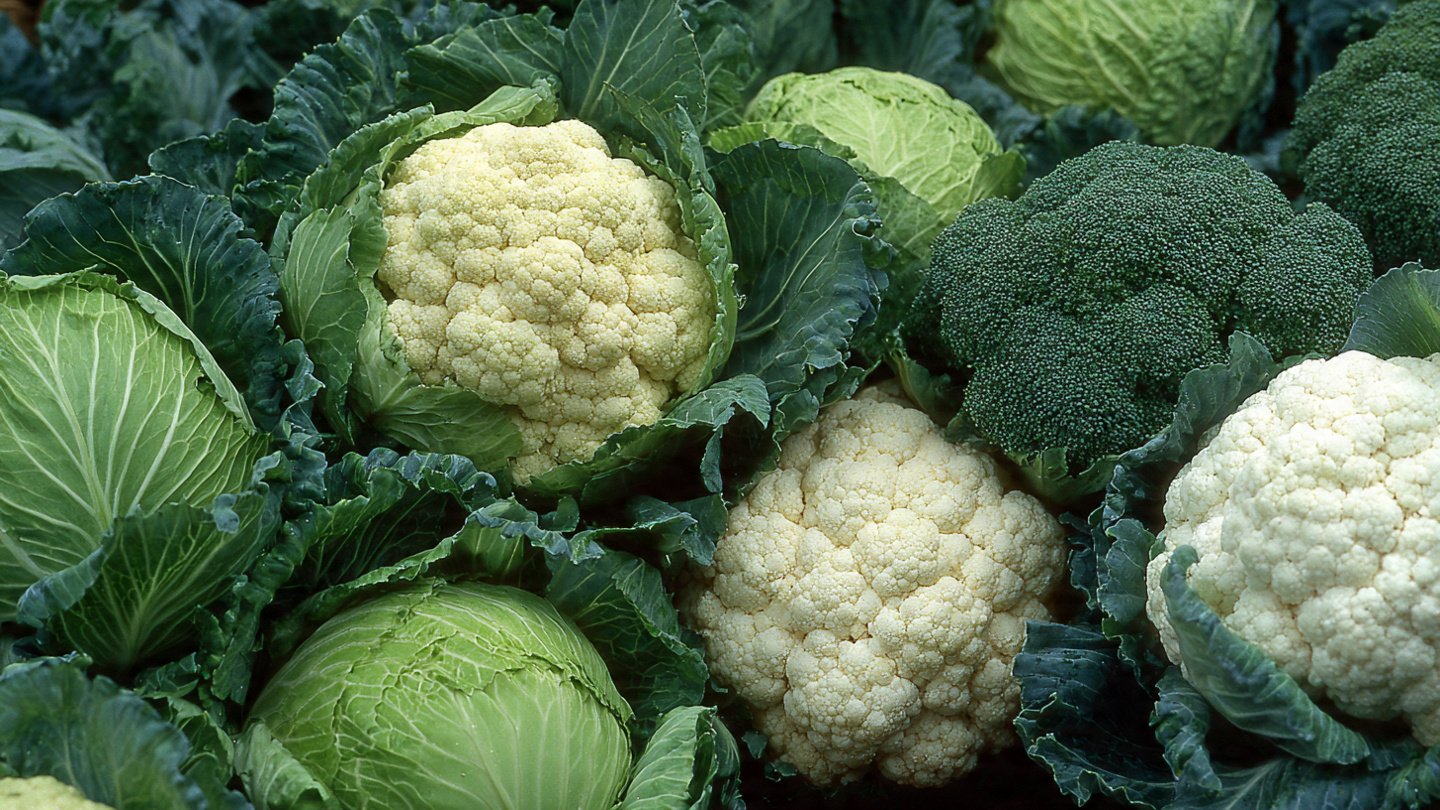
When it comes to nutritious vegetables, few are as familiar—or as versatile—as cauliflower, broccoli, and cabbage. We often think of them as completely separate vegetables, each with its own flavor, texture, and culinary use. However, botanically speaking, these three vegetables are all varieties of the same species: Brassica oleracea. Understanding their shared heritage not only sheds light on how humans have cultivated them over centuries but also helps us appreciate the incredible diversity that selective breeding can achieve.
The Origin of Brassica oleracea
The wild ancestor of cauliflower, broccoli, and cabbage is believed to be a coastal plant native to Europe’s Mediterranean region. This wild cabbage had a tough stem, waxy leaves, and a bitter flavor—hardly the tender, mild vegetables we enjoy today. Early farmers, however, saw potential in this hardy plant and began selecting variants with desirable traits. Over generations, this selective cultivation gave rise to a remarkable diversity of vegetables, all genetically derived from the same species.
How Humans Shaped These Vegetables
The differences between cabbage, broccoli, and cauliflower come down to which parts of the plant were emphasized through selective breeding:
- Cabbage
Cabbage (including savoy, red, and green varieties) was developed to emphasize the leafy head. Farmers selected plants with tighter, more compact leaves that could be harvested and stored for longer periods, making cabbage a staple vegetable in many European diets. - Broccoli
Broccoli was cultivated to emphasize the flowering head. This variety produces clusters of small, undeveloped flower buds that are harvested before they bloom. Native to the Italian peninsula, broccoli became popular for its tender texture and mild, slightly bitter taste. - Cauliflower
Cauliflower was selectively bred to develop a dense, edible white curd, which is actually a cluster of undeveloped flower buds. Like broccoli, cauliflower requires careful cultivation to maintain its compact head, but it differs in color, taste, and texture. White varieties are the most common, but purple, orange, and green cultivars also exist.
Through selective breeding, humans transformed one wild plant into vegetables with distinct textures, flavors, and uses, showcasing the power of agricultural innovation.
Nutritional Value Across Varieties
Despite their differences, cauliflower, broccoli, and cabbage share a lot in terms of nutritional benefits. All three are low in calories, high in dietary fiber, and rich in vitamins and minerals. Key nutrients include:
- Vitamin C: Supports immunity and skin health.
- Vitamin K: Important for bone health and blood clotting.
- Folate: Vital for DNA synthesis and cellular growth.
- Phytonutrients: Compounds like glucosinolates and sulforaphane may have antioxidant and anti-inflammatory effects.
The subtle differences between them can influence specific health benefits. For example, broccoli tends to be higher in sulforaphane, a compound studied for its potential anticancer properties, while cabbage is rich in fiber and gut-supporting compounds. Cauliflower is often used as a low-carb alternative for grains, making it popular in modern diets like keto and paleo.
Culinary Uses and Versatility
Part of the reason these vegetables remain popular is their incredible versatility in the kitchen. Each variety has unique culinary properties:
- Cabbage: Often used in soups, stews, coleslaws, and fermented dishes like sauerkraut and kimchi. Its sturdy leaves make it ideal for stuffing or braising.
- Broccoli: Typically steamed, roasted, or stir-fried. Broccoli’s tender florets hold up well in soups, casseroles, and pasta dishes.
- Cauliflower: Extremely versatile; it can be roasted, steamed, mashed, or even processed into “rice” or pizza crusts. Its mild flavor absorbs seasonings well, making it a favorite in creative low-carb recipes.
Interestingly, some chefs and home cooks even experiment with cross-breeding these vegetables or using them interchangeably in recipes due to their similar textures and flavor profiles.
Why They Look So Different
Though cauliflower, broccoli, and cabbage look nothing alike, they share a common genetic backbone. The differences in appearance—whether the leafy head of cabbage, the green clusters of broccoli, or the white curd of cauliflower—result from human selection and cultivation techniques that highlight certain traits over others.
Modern plant breeders continue to experiment with these varieties, creating new cultivars that combine the best features of each. For instance, Romanesco broccoli has a striking fractal pattern while retaining the mild taste and tender texture of traditional broccoli.
The Science Behind Selective Breeding
The transformation of a single wild species into multiple, highly distinct vegetables is a testament to selective breeding. Farmers and horticulturists would:
- Observe natural variations in the wild plant.
- Select seeds from plants that showed desirable traits (e.g., larger leaves, tighter heads, or bigger flower clusters).
- Grow successive generations while continually selecting for these traits.
Over centuries, these subtle selections accumulated, resulting in the vegetables we know today. The process demonstrates how human ingenuity can significantly reshape the natural world without altering the underlying species.
Environmental and Agricultural Implications
Because these vegetables come from the same species, they share similar growing requirements:
- Well-drained, fertile soil rich in organic matter
- Consistent moisture without waterlogging
- Cool temperatures for optimal growth
- Protection from pests like cabbage worms, aphids, and slugs
Understanding their shared biology can help gardeners rotate crops, prevent soil-borne diseases, and optimize yields. Farmers also benefit from knowing that strategies that work for one Brassica variety often work for others, simplifying cultivation practices.
Fun Facts About the Brassica Family
- Brussels sprouts and kale are also part of the same species, making them distant cousins of broccoli and cauliflower.
- The diversity of this plant species showcases the creativity of human agriculture, producing vegetables ranging from leafy greens to flowering heads.
- Despite appearing different, genetic studies confirm that cauliflower, broccoli, and cabbage share a close genetic relationship, meaning they can even hybridize under controlled conditions.
Conclusion
Next time you prepare a broccoli stir-fry, a creamy cauliflower soup, or a cabbage slaw, remember that these vegetables share a common ancestry. Humans have taken one wild, bitter coastal plant and, through selective breeding, transformed it into some of the most beloved and versatile vegetables in the world.
Recognizing this shared heritage not only enhances our appreciation of these vegetables but also highlights the incredible role of agriculture in shaping the foods we enjoy every day. From their nutritional value to their culinary versatility, cauliflower, broccoli, and cabbage are more than just side dishes—they are living examples of centuries of innovation and human ingenuity.
By exploring their connection, we gain a deeper understanding of how one species can diversify into a range of flavors, textures, and forms, enriching both our plates and our gardens.