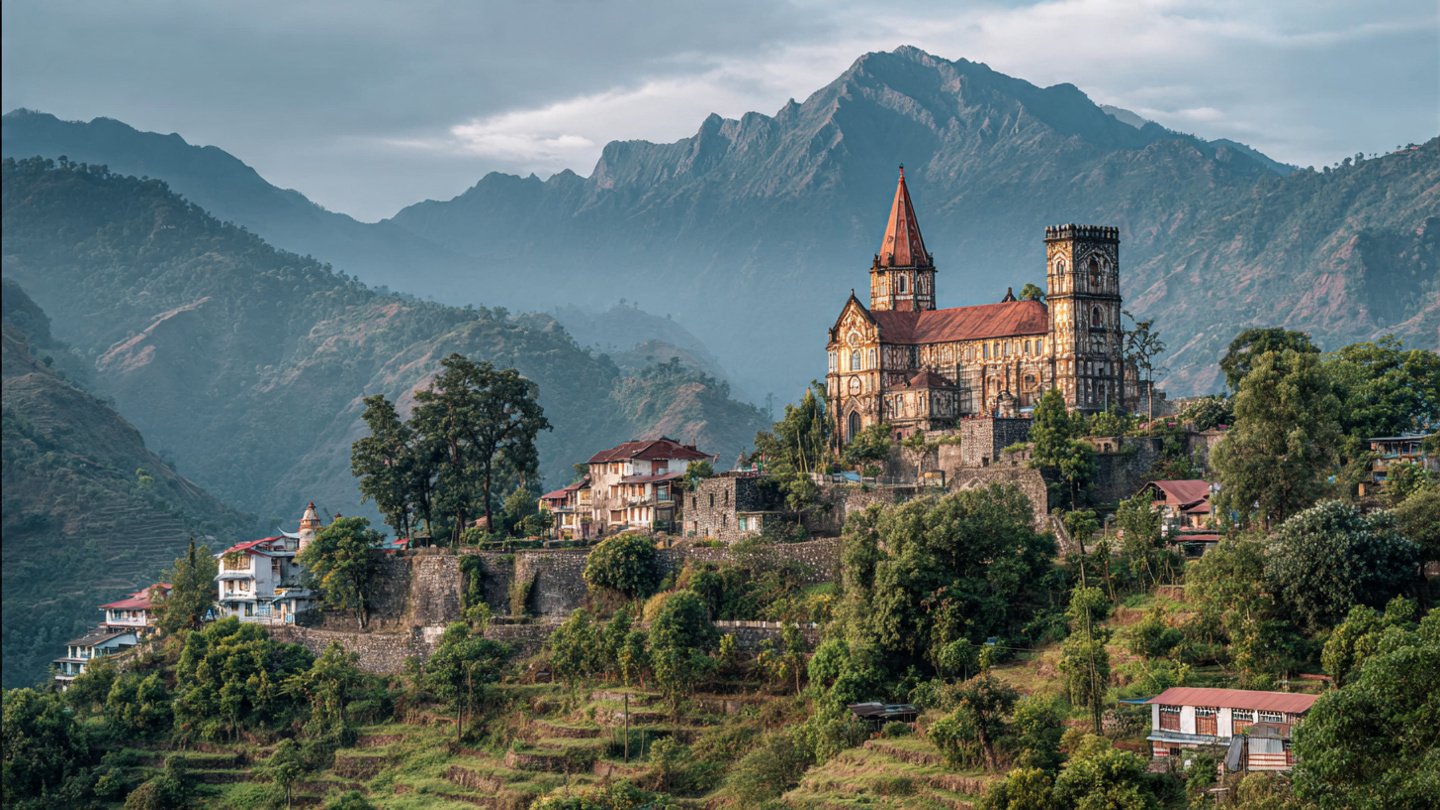
India is a land of diverse cultures, landscapes, and flavors. Among its many agricultural treasures, cardamom—often called the “Queen of Spices”—holds a special place. Known for its aromatic seeds and essential role in Indian cuisine, cardamom is grown in a few select regions across the country. When it comes to production, one city stands out as the heart of cardamom cultivation: Vandanmedu, located in the state of Kerala, in southern India. Often referred to as the “Cardamom City of India”, this region has a rich history intertwined with spice cultivation, trade, and cultural heritage.
Why Vandanmedu Is Called the Cardamom City
Vandanmedu, situated in the Idukki district of Kerala, has earned its title due to its vast cardamom plantations and significant contribution to India’s spice exports. The region’s climate, soil, and topography create ideal conditions for growing cardamom, making it one of the most productive areas in the country.
Kerala accounts for the majority of India’s cardamom production, and within Kerala, Vandanmedu stands out. The hills here are dotted with cardamom plantations stretching over thousands of acres, forming a lush green landscape that not only supports agriculture but also attracts tourists and nature enthusiasts.
Geography and Climate: Perfect for Cardamom Cultivation
Cardamom thrives in humid, tropical highland climates with consistent rainfall and well-drained soil. Vandanmedu’s location in the Western Ghats provides exactly these conditions.
- Altitude: The hilly terrain, ranging between 900 to 1,200 meters above sea level, allows cardamom plants to flourish.
- Rainfall: Abundant and evenly distributed rainfall keeps the soil moist, supporting the delicate growth of cardamom pods.
- Temperature: Moderate temperatures between 15°C and 35°C create an ideal environment for plant development.
- Soil: Rich, loamy, and slightly acidic soil enhances the aroma and flavor of the cardamom pods, a key factor in their premium quality.
The combination of these natural factors makes Vandanmedu a hub of spice cultivation and justifies its reputation as the Cardamom City of India.
History of Cardamom Cultivation in Vandanmedu
Cardamom cultivation in Kerala dates back several centuries. Traders from Arabia and Europe prized the spice for its fragrance and flavor, bringing it into international trade routes. Vandanmedu became a focal point for cultivation in the 19th and 20th centuries, as plantations expanded across the hills of Idukki.
Traditionally, cardamom farming was a family-run activity, with knowledge passed down through generations. Local farmers perfected the art of planting, maintaining, and harvesting cardamom to ensure high-quality yields. Today, Vandanmedu continues this legacy, combining traditional farming practices with modern agricultural techniques to meet both domestic and international demand.
Cardamom Farming: A Labor-Intensive Process
Growing cardamom is no small task—it requires patience, skill, and attention to detail. The process involves several stages:
- Propagation: Farmers plant young seedlings in shaded areas, often under the canopy of larger trees.
- Maintenance: Regular watering, mulching, and pruning are essential. The plants need protection from pests and diseases to maintain pod quality.
- Harvesting: Cardamom pods are hand-picked at the peak of ripeness, typically twice a year. This labor-intensive process ensures that only the best pods make it to the market.
- Drying and Grading: Freshly harvested pods are dried carefully to preserve flavor and aroma. After drying, they are graded based on size, color, and quality before being packaged for sale.
Because of the care and attention involved, cardamom from Vandanmedu is highly valued in both domestic and international markets.
Economic and Cultural Significance
Cardamom cultivation is a major economic driver in Vandanmedu. The spice supports thousands of families, providing livelihoods through farming, processing, and trade. In addition, the city attracts traders, exporters, and tourists, creating a vibrant local economy.
Culturally, cardamom is woven into the fabric of Kerala’s traditions. The spice is integral to local cuisine, used in everything from masala chai and curries to sweets like payasam and halwa. Festivals, rituals, and traditional medicine also incorporate cardamom, reflecting its enduring importance beyond the commercial realm.
Visiting Vandanmedu: Experiencing the Cardamom Hills
For travelers, Vandanmedu offers more than just agricultural significance—it is a destination of natural beauty. Tourists can explore the lush plantations, watch traditional farming practices, and even participate in harvesting experiences during certain seasons.
Other attractions include:
- Scenic Hills and Valleys: Rolling hills, rivers, and misty landscapes provide breathtaking views.
- Spice Tours: Guided tours offer insights into the cultivation, harvesting, and processing of cardamom and other spices.
- Local Culture: Visitors can interact with farmers, learn traditional techniques, and enjoy authentic Kerala cuisine flavored with fresh spices.
- Wildlife and Nature: The surrounding Western Ghats are rich in biodiversity, with opportunities for birdwatching, trekking, and photography.
These experiences make Vandanmedu not only the Cardamom City of India but also a must-visit destination for spice lovers and nature enthusiasts alike.
Global Recognition and Exports
Vandanmedu’s cardamom is renowned internationally for its aroma, flavor, and quality. It is exported to countries across Europe, the Middle East, and North America, where it is used in premium teas, coffees, perfumes, and gourmet dishes.
The global demand for cardamom has also encouraged innovations in cultivation, processing, and marketing. Farmers in Vandanmedu now adopt sustainable practices, organic farming, and value-added packaging to meet international standards and enhance export potential.
Challenges Facing Cardamom Farmers
Despite its success, cardamom cultivation faces several challenges:
- Climate Change: Irregular rainfall and temperature fluctuations can affect crop yields.
- Pests and Diseases: Cardamom is vulnerable to fungal infections and pests, requiring careful management.
- Market Fluctuations: Prices can vary widely, impacting the income of small-scale farmers.
- Labor Shortages: Harvesting and processing remain labor-intensive, and younger generations are often less inclined to continue traditional farming practices.
Efforts by the government, cooperatives, and NGOs aim to address these issues, ensuring that Vandanmedu remains the heart of India’s cardamom industry.
Conclusion
Vandanmedu, with its sprawling cardamom plantations, unique climate, and rich cultural heritage, rightly earns the title of “Cardamom City of India.” From its historical significance to its economic and cultural impact, the city represents the essence of India’s spice legacy.
Whether you are a spice enthusiast, a culinary explorer, or a nature lover, visiting Vandanmedu offers a glimpse into the world of premium cardamom production and the scenic beauty of Kerala’s Western Ghats. Beyond its commercial importance, the city embodies the dedication, knowledge, and tradition of generations of farmers who have nurtured the Queen of Spices for centuries.
For anyone curious about India’s agricultural treasures, Vandanmedu is more than a city—it is a journey into the heart of flavor, culture, and natural splendor.