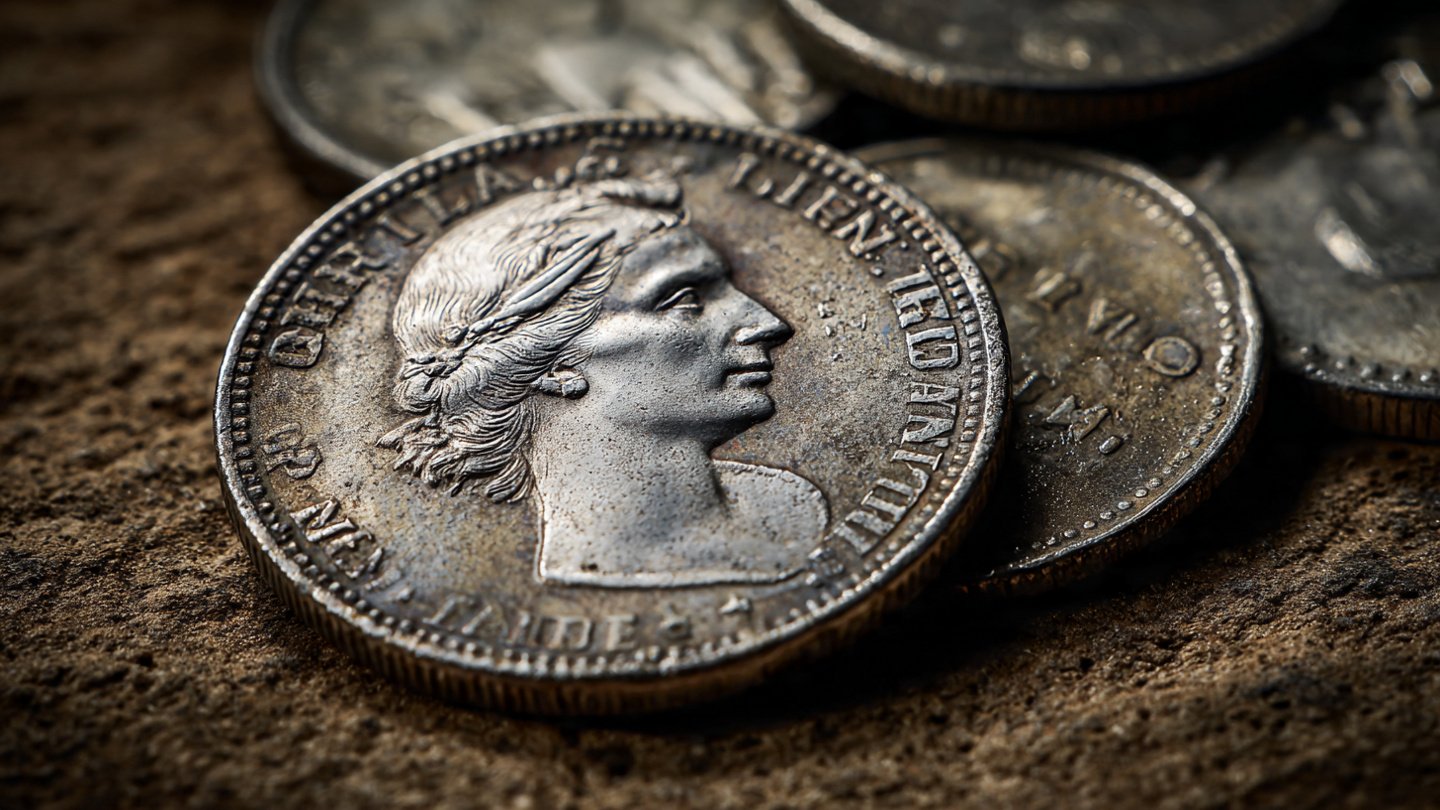
Coins are more than just everyday currency—they are pieces of history, culture, and sometimes, hidden treasures. Among U.S. coins, quarters are particularly popular for collectors. While most quarters are worth exactly 25 cents, certain rare or misprinted quarters can fetch hundreds or even thousands of dollars on the collector’s market. Understanding why these quarters are valuable requires a dive into their mintage, errors, historical significance, and condition.
This article explores the most valuable rare U.S. quarters, why they’re sought after, and tips for spotting potential treasure coins in your change.
1. Why Some Quarters Are Worth More Than Face Value
Not all quarters are created equal. The value of a quarter depends on several factors:
- Mintage and Rarity: Quarters with low production numbers or limited releases tend to be more valuable.
- Mint Marks: Coins minted at certain facilities (like Denver “D” or San Francisco “S”) in particular years may be rarer.
- Errors and Variations: Misstrikes, double dies, or off-center prints can create unique coins highly prized by collectors.
- Historical Significance: Quarters marking special events or old designs, such as the Standing Liberty Quarter (1916–1930), are highly collectible.
- Condition and Grade: Coins in uncirculated or near-mint condition are worth significantly more than worn coins.
A quarter’s rarity and quality determine its market value, sometimes far exceeding its 25-cent face value.
2. Standing Liberty Quarters (1916–1930)
One of the most iconic rare quarters is the Standing Liberty Quarter, minted between 1916 and 1930. Key factors that make these quarters valuable include:
- First-year coins (1916): Only a small number were minted, making them extremely rare.
- Type variations: Type 1 (1916–1917) and Type 2 (1917–1930) have distinct designs.
- High-grade examples: Coins with minimal wear can sell for thousands of dollars.
Collectors prize these quarters not only for their rarity but also for the classic art-deco design and historical significance.
3. Washington Quarters with Low Mintage
The Washington Quarter series, introduced in 1932, includes some low-mintage coins that are valuable:
- 1932-D and 1932-S: These quarters were minted during the Great Depression, resulting in fewer coins. A high-grade 1932-D or 1932-S quarter can fetch several thousand dollars.
- Error coins: Double-die obverse errors or unusual mint marks increase value significantly.
These coins are often the first stop for collectors looking for rare quarters that are still widely recognized.
4. State Quarters with Rare Varieties (1999–2008)
The 50 State Quarters program was hugely popular and produced coins for each U.S. state between 1999 and 2008. While most are common, certain quarters are more valuable:
- Low-mintage states: Some state quarters, like Delaware 1999-P or Vermont 2001-P, were produced in smaller numbers.
- Error varieties: Misaligned or missing features, like doubled designs or missing mint marks, can increase value.
- High-quality specimens: Uncirculated state quarters in perfect condition are worth significantly more than face value.
Even relatively recent quarters can surprise collectors with significant value if rarity and condition align.
5. American Eagle and Special Commemorative Quarters
Beyond circulating quarters, special releases can also hold high value:
- Silver American Eagle Quarters: Contain 90% silver and are sought after for bullion value.
- Commemorative releases: Quarters minted for special occasions, anniversaries, or events can become collectible, especially in limited runs.
Investors and collectors often pay a premium for these quarters, combining numismatic and metal value.
6. Error Coins That Command High Prices
Error coins are some of the most fascinating collectibles in the quarter world. Common errors include:
- Double die obverse or reverse: Letters or images appear doubled due to minting mistakes.
- Off-center strikes: Coins struck improperly can have incomplete designs.
- Clipped planchets: Coins with portions missing due to metal sheet issues.
- Wrong metal composition: Occasionally, a quarter may be struck in the wrong alloy, creating a unique collector’s item.
The rarity of error coins, combined with collector demand, can dramatically increase their value—sometimes to hundreds or thousands of dollars.
7. Tips for Identifying Valuable Quarters
If you’re curious about quarters that might be worth more than face value, here are practical tips:
- Check the mint year and mint mark: Certain years and mints are more valuable.
- Look for errors or unusual features: Magnifying glass inspection can reveal misprints or doubling.
- Assess condition: Coins with minimal scratches, wear, or discoloration are more valuable.
- Consult price guides: Books like the Red Book or online databases provide current values.
- Professional grading: For high-value coins, certification by companies like PCGS or NGC can verify authenticity and condition.
Even ordinary-looking coins may hide a collectible gem, so careful examination is key.
8. Why Collecting Quarters Is Popular
Quarters are an excellent entry point for coin collectors because:
- Accessibility: Most people encounter quarters daily, making it easy to start a collection.
- Variety: From historical coins to state and commemorative quarters, the variety is immense.
- Value potential: With knowledge, collectors can identify coins worth far more than face value.
- Educational: Collecting teaches history, geography, and economics in an engaging way.
Whether for hobby, investment, or nostalgia, quarters offer a rewarding collecting experience.
9. Market Trends and Investment Potential
Rare quarters have consistently demonstrated value growth over time. Key trends include:
- Rising demand for low-mintage coins: Scarcity drives up prices among collectors.
- Silver content: Coins with precious metals add intrinsic value.
- Global interest: U.S. quarters attract international collectors, expanding the market.
- Preservation matters: Coins in pristine condition are likely to appreciate more over time.
While collecting quarters isn’t guaranteed wealth, careful selection and preservation can result in significant long-term gains.
10. Final Thoughts
Not all quarters are created equal. From Standing Liberty and Washington Quarters to state and commemorative releases, rare U.S. quarters can be worth far more than their 25-cent face value. Condition, rarity, errors, and historical significance all play a role in determining value.
For collectors and enthusiasts, even everyday change can hold hidden treasures. With careful observation, research, and a bit of luck, you may uncover a quarter that transforms from pocket change into a valuable collectible—linking everyday currency with history, artistry, and potential investment value.