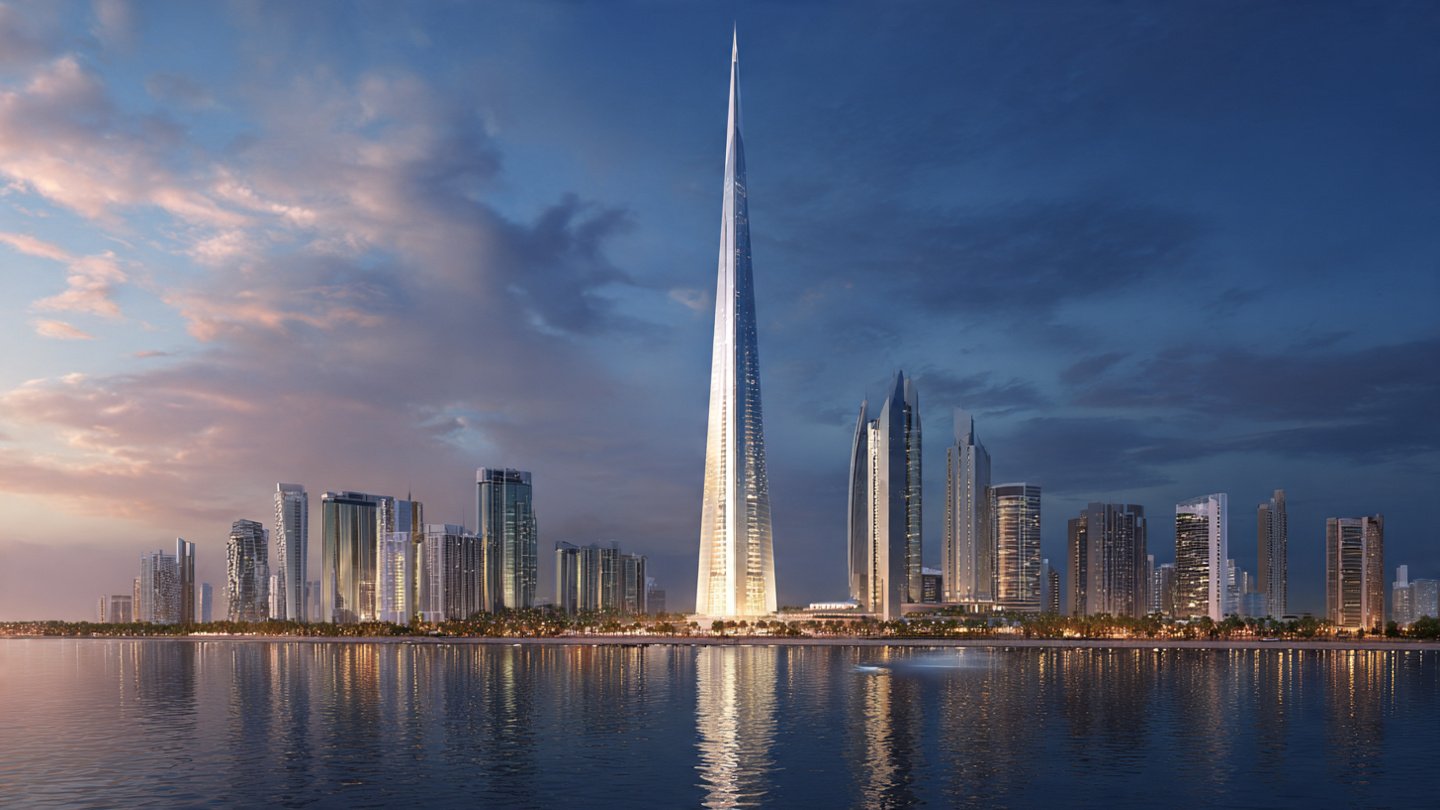
When it comes to record-breaking skyscrapers, the Burj Khalifa in Dubai and the Shanghai Tower have long captured global attention. But Saudi Arabia is now aiming to redefine the skyline once again, announcing plans for a 1-kilometer-tall skyscraper that could become the tallest building in the world. This audacious project reflects the kingdom’s ambitions to position itself at the forefront of architecture, engineering, and urban development.
The planned skyscraper is not just a tall building—it is a symbol of Saudi Arabia’s vision for the future, blending cutting-edge technology, sustainable design, and ambitious urban planning.
1. Saudi Arabia’s Architectural Ambitions
Saudi Arabia has been investing heavily in transformative projects as part of its Vision 2030 initiative, which aims to diversify the economy and reduce dependence on oil revenue. The construction of a 1km-tall skyscraper is emblematic of this strategy.
The project is expected to:
- Showcase Saudi engineering prowess on the global stage
- Attract international investors and tourists
- Serve as a hub for business, residential, and leisure spaces
In doing so, the kingdom aims to rival other architectural giants and establish itself as a center for modern urban innovation.
2. Comparing the Scale: Burj Khalifa and Shanghai Tower
To grasp the scale of the upcoming skyscraper, it’s worth comparing it with existing giants:
- Burj Khalifa, Dubai: 828 meters tall, 163 floors
- Shanghai Tower, Shanghai: 632 meters tall, 128 floors
- Planned Saudi skyscraper: 1,000 meters tall, potentially exceeding 200 floors
Reaching the 1-kilometer mark is not just symbolic; it represents a new frontier in structural engineering and urban design.
3. Engineering Challenges of a 1km-Tall Skyscraper
Constructing a building of this magnitude presents several technical challenges:
- Wind resistance: At extreme heights, wind loads increase dramatically. Innovative aerodynamic designs and damping systems are required to stabilize the structure.
- Material strength: Traditional concrete and steel may not suffice; advanced composites and high-strength alloys are essential.
- Vertical transportation: Efficient elevator systems capable of covering 1km vertically without long wait times are critical. Some concepts include multi-deck elevators and high-speed lifts with pressure adjustments.
- Safety systems: Fire safety, evacuation protocols, and structural redundancy must be meticulously planned for extreme heights.
Addressing these challenges will push the boundaries of architecture and civil engineering.
4. The Design Concept
While detailed designs are still under wraps, early reports suggest the skyscraper will integrate:
- Mixed-use spaces: Offices, luxury residences, hotels, and observation decks
- Sustainable features: Solar panels, energy-efficient systems, and wind-resistant design elements
- Iconic architecture: The building aims to become a landmark, representing Saudi Arabia’s modern identity while potentially incorporating cultural motifs
The final design will need to balance aesthetics, functionality, and the sheer scale required to reach 1km.
5. Economic and Urban Implications
A skyscraper of this scale is more than an architectural statement; it will have significant economic and urban implications:
- Tourism: Observation decks, luxury hotels, and high-end retail can attract international visitors.
- Job creation: Construction, engineering, and operational roles could generate thousands of jobs.
- Urban density: Vertical development reduces the footprint of dense cities while accommodating more residents and businesses in a single location.
Saudi Arabia hopes the project will act as a catalyst for urban regeneration and international recognition.
6. Lessons from Other Tall Buildings
Previous record-breaking skyscrapers provide insights for this ambitious project:
- Burj Khalifa utilized a bundled tube design to resist lateral wind forces.
- Shanghai Tower incorporated a double-skin façade to improve insulation and energy efficiency.
- Jeddah Tower (previous Saudi project), initially planned to exceed 1,000 meters, faced delays due to financial and logistical challenges.
Saudi engineers will need to learn from these projects while innovating for a building that surpasses all existing heights.
7. Environmental and Sustainability Considerations
Sustainability is central to modern skyscraper design, particularly in desert climates like Saudi Arabia:
- Cooling systems: Innovative HVAC systems will be needed to maintain comfort without excessive energy consumption.
- Water management: Desert cities face water scarcity; efficient recycling and greywater systems are likely essential.
- Renewable energy: Solar and wind energy integration could reduce environmental impact and support self-sufficiency.
By prioritizing sustainability, the skyscraper could serve as a model for environmentally responsible super-tall buildings worldwide.
8. Timeline and Feasibility
While the announcement is ambitious, timelines for megastructures of this size are long:
- Planning and design: Several years of feasibility studies and design iterations are required.
- Construction: Depending on funding and technology, completion may take a decade or more.
- Global collaboration: Projects of this magnitude often involve international architects, engineers, and contractors.
The skyscraper is a statement of intent as much as a construction project—a signal that Saudi Arabia is aiming to lead in architectural innovation.
9. Global Impact and Architectural Prestige
If realized, a 1km-tall skyscraper would:
- Break the world record for height, surpassing Burj Khalifa by over 170 meters
- Elevate Saudi Arabia’s global profile in architecture and engineering
- Inspire new technological innovations in materials, vertical transportation, and sustainable urban design
The skyscraper is poised to become a symbol of ambition, technology, and cultural identity for the kingdom.
10. Challenges Beyond Engineering
Beyond structural and financial challenges, the project must address:
- Safety and maintenance: Extreme height complicates regular maintenance and emergency procedures.
- Cultural and social integration: Integrating a vertical city into urban life requires careful planning.
- Economic justification: Super-tall buildings are expensive; long-term revenue streams must support ongoing costs.
Success will depend on meticulous planning, global expertise, and effective project management.
Final Thoughts
Saudi Arabia’s planned 1km-tall skyscraper represents more than a building—it’s a statement of vision, ambition, and technological prowess. By pushing the boundaries of architecture and urban design, the kingdom is positioning itself to rival global architectural icons like the Burj Khalifa and Shanghai Tower.
If successfully completed, this megastructure could redefine what is possible in skyscraper engineering, become a centerpiece of tourism and urban development, and inspire a new era of ambitious architectural projects worldwide.